 When there's a killer on the loose you'd better sleep with one eye open. 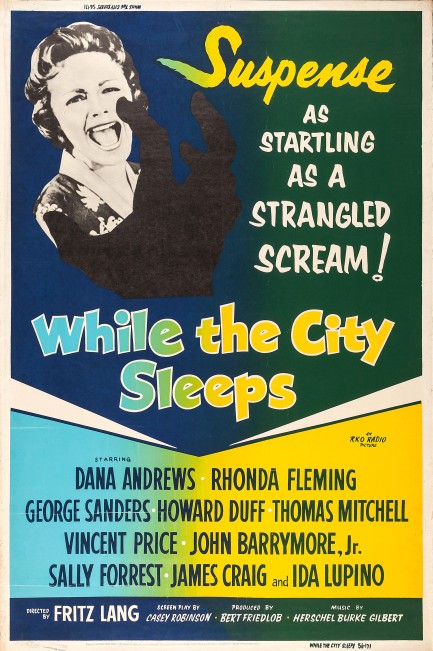
This poster for While the City Sleeps doesn't impress with masterly art the way so many vintage promos do, but its simplicity is, in an oblique sort of way, we think, meant to echo tabloid covers from the era. RKO made a special poster in collaboration with Confidential magazine, which you'll see below. The movie's plot is pure tabloid fodder. A serial killer has slain women in New York City, leaving the cryptic message “Ask mother,” written on the walls of one murder scene. Vincent Price, owner of Kyne News Service, part of a media empire comprising ten newspapers, a wire service, and other interests, offers the position of executive director to three employees in order to draw them into cutthroat competition with each other. Soon it becomes clear that finding the identity of the “lipstick killer” is the winning move. Intrigue and subterfuge take over the office. Everyone gets involved, from senior editors to stringers to gossip columnist Ida Lupino, but the killer is too clever to be caught.
At least until intrepid Pulitzer Prize winning television reporter Dana Andrews airs a scornful and taunting broadcast, deliberately setting up his own fiancée as bait. He doesn't even ask her permission. Well, he does, but only after arranging to publish their engagement announcement in the New York Sentinel right next to a story about the killer. Reckless? Yes. Presumptuous? For sure. There are intertwined plotlines here, but Andrews using his true love as a lure was the most interesting aspect for us. He isn't the only heel on display. The movie is ostensibly about a serial killer, but is really a framework for exposing backbiting and cynical ambition in the big city. Director Fritz Lang, in what was his penultimate U.S. film, explores the cruel banality of what, these days, some call “hustle culture,” and brings the production to a conclusion that's, in the words of Thomas Mitchell's character, “Neat, but nasty.” Our words are: a mandatory watch. While the City Sleeps had a special world premiere today in 1956. 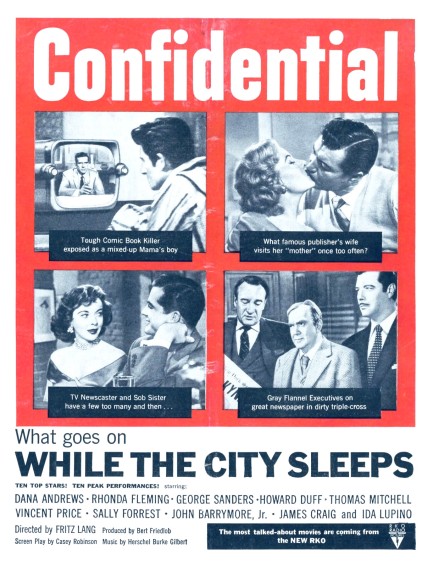 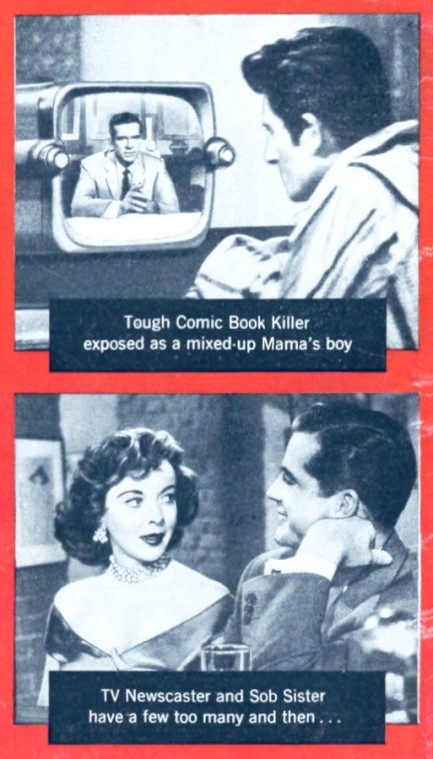 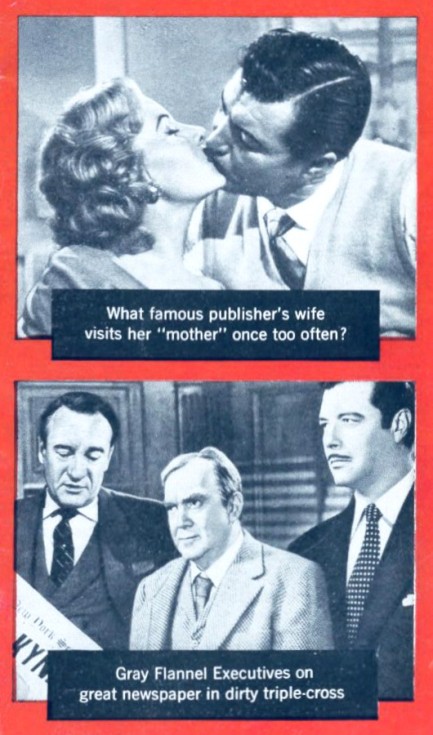 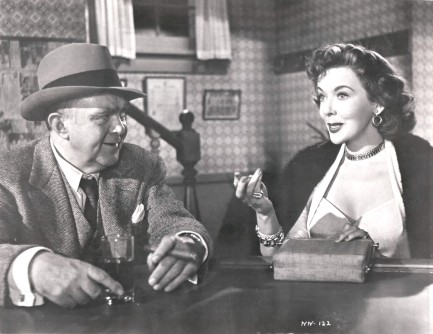 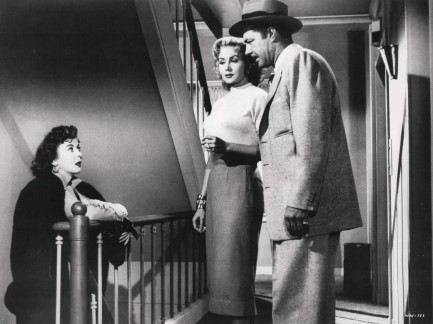 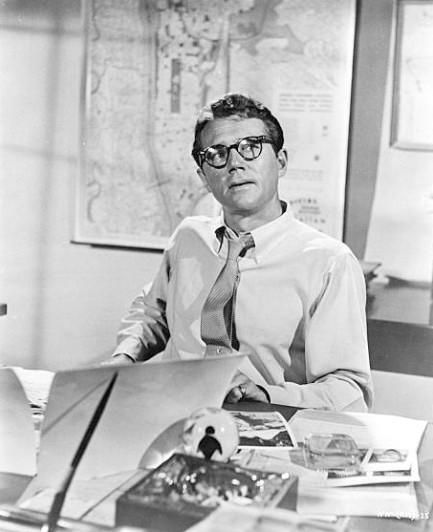 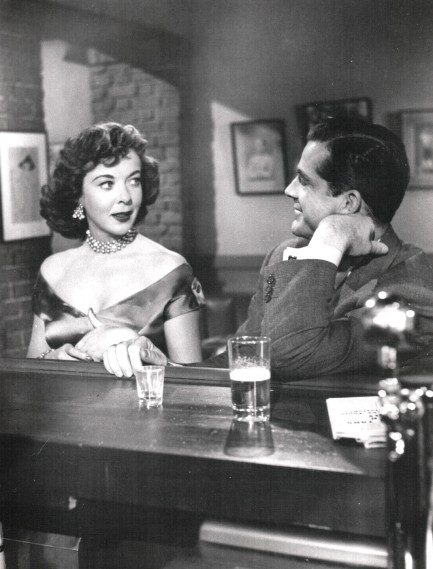 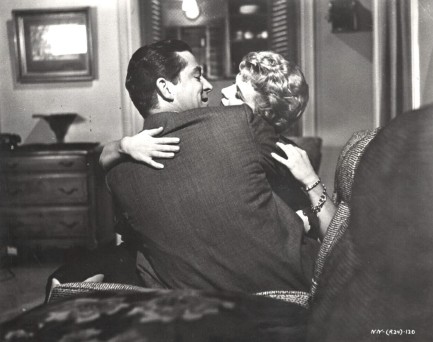 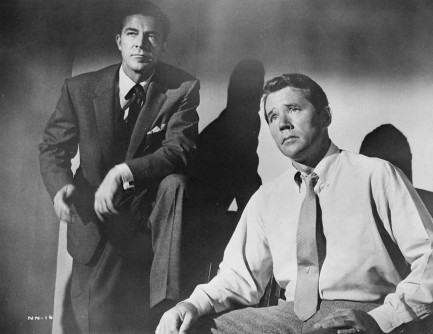 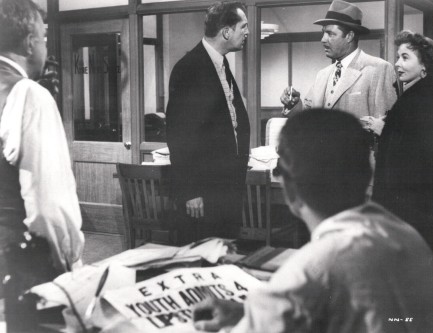 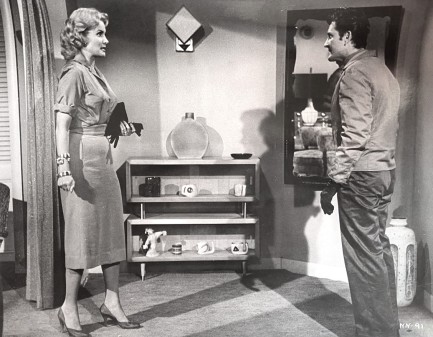 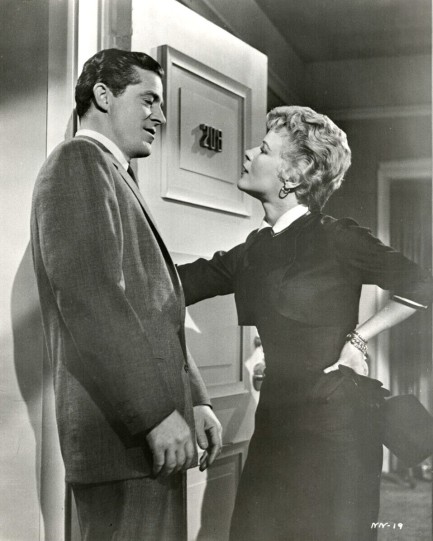 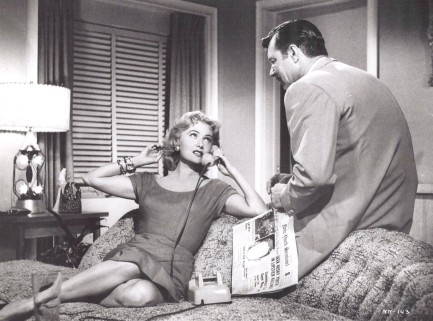 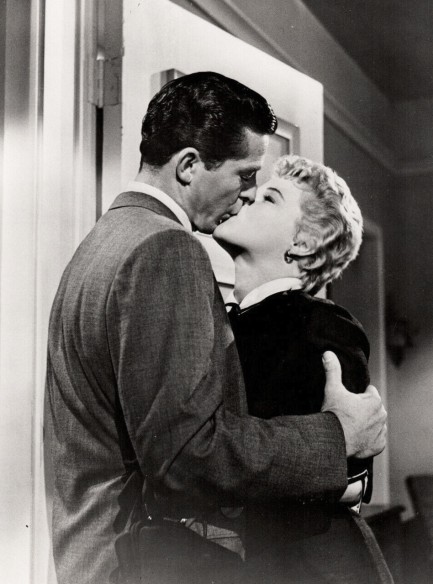 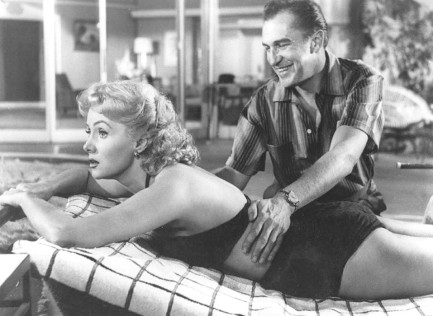 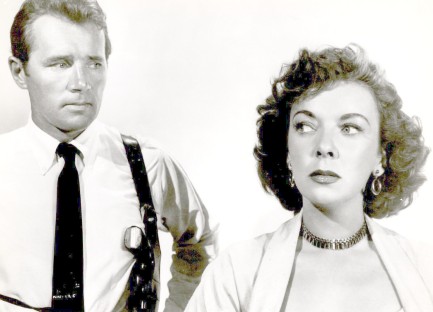 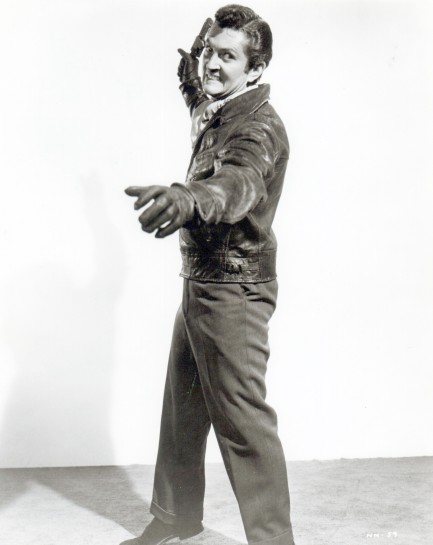 Edit: Vintage movies are excellent windows into bygone customs and practices. There's a great moment in this one. Rhonda Fleming and James Craig are chatting in her apartment late one night when the doorbell unexpectedly buzzes. They look at each other confused for a second, then Fleming says, “It's probably the drugstore. That was the last bottle of Scotch.” Edit: Vintage movies are excellent windows into bygone customs and practices. There's a great moment in this one. Rhonda Fleming and James Craig are chatting in her apartment late one night when the doorbell unexpectedly buzzes. They look at each other confused for a second, then Fleming says, “It's probably the drugstore. That was the last bottle of Scotch.”
You know, there were a lot of things wrong with the mid-century era. But there were a few things right too. Getting the all-night drugstore to deliver booze has to be one of the most right things we've ever heard of, so we give thanks to While the City Drinks—er Sleeps—for clueing us in, and suggest you call your congressional rep immediately and ask for a law allowing pharmacies to deliver alcohol. If not for yourself, do it for the children.
 Diamonds are forever, but Connery wasn’t. 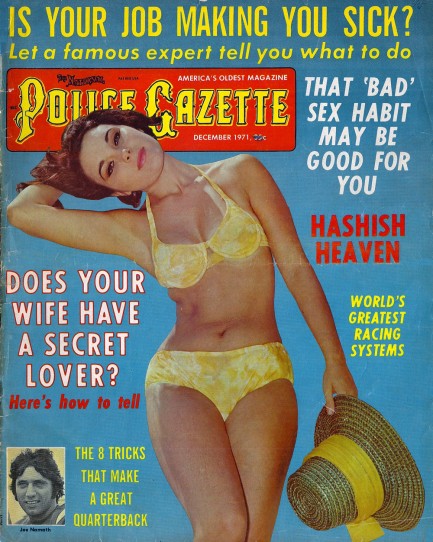
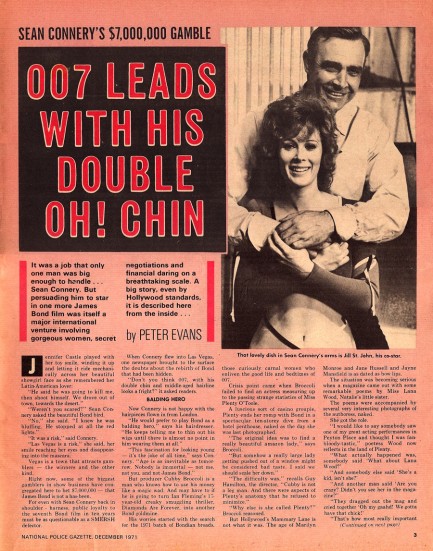
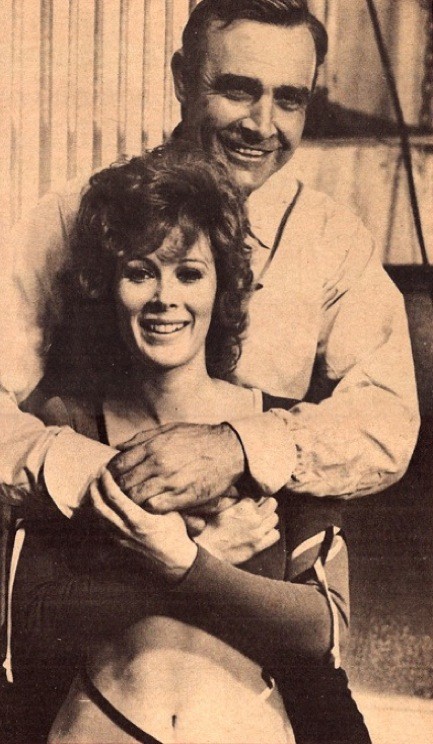
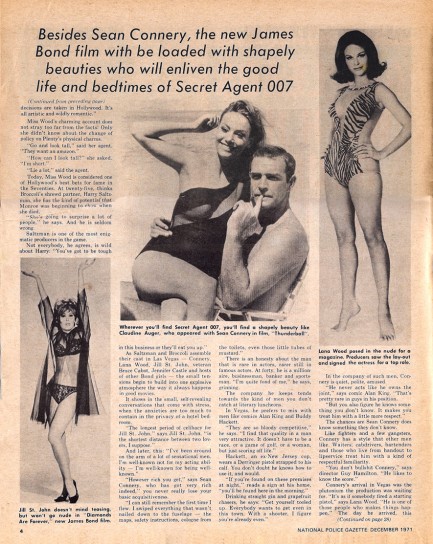
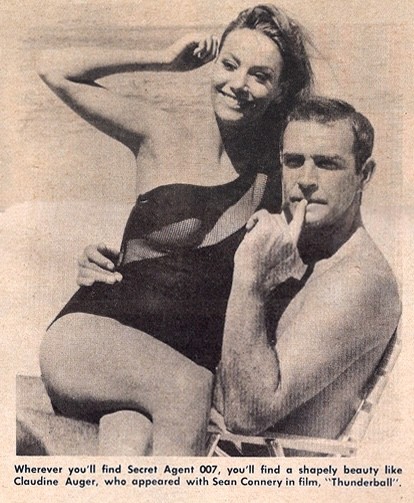
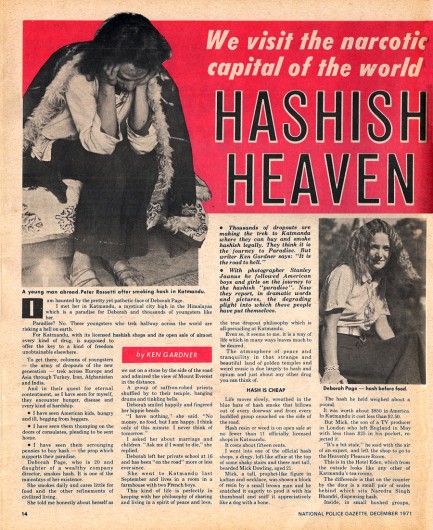
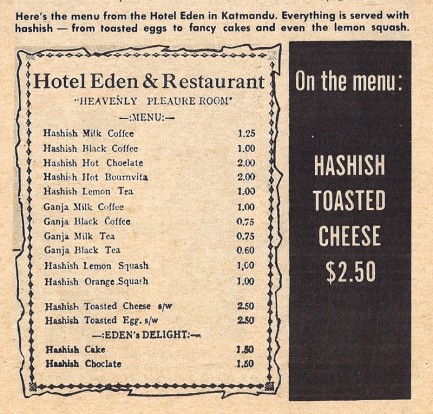
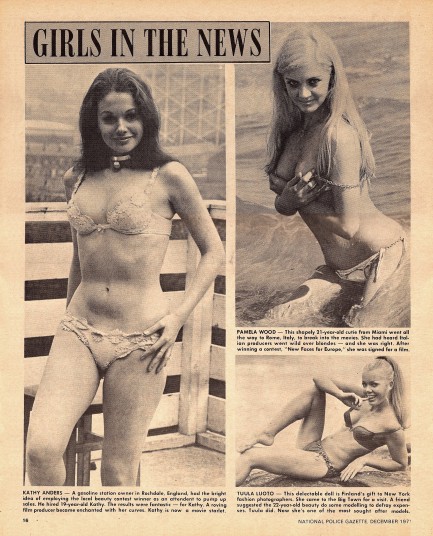
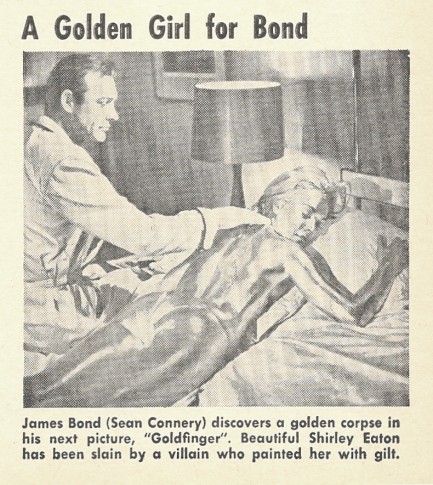
Sean Connery made as many appearances in sixties and seventies tabloids as just about any celeb of his time period, so here he is again in an article promoting his role in Diamonds Are Forever, which would premiere just a couple of weeks after this December 1971 National Police Gazette hit newsstands. we talked a bit about the source novel for the film, and author Ian Fleming's troubles with his publishers. It's interesting, so check here if you wish. In Gazette, Connery speaks of his futile struggle to portray James Bond as a balding hero, and quips about making his stylist thin his wigs so there was almost no point in wearing them at all. Connery said about Bond’s aging, “No one is immortal—not me, not you, and not James Bond.” It was a commendable sentiment, but naïve. Seems as though Connery didn’t realize United Artists had already branded Bond well beyond the point where the character was tethered to any concept of aging. The studio proved that when it brought the much younger Roger Moore on the scene for 1973’s Live and Let Die. Moore would later give way to Dalton, who gave way to Brosnan, who gave way to Craig, as Bond himself remained eternally forty-ish through the passing years. Elsewhere in the Gazette you get a report on the hash capital of the world, the world’s greatest racing systems, and the usual assortment of random beauties in bathing suits. All that, plus hashish toasted cheese, below.
 Shhh! Character assassination in progress. 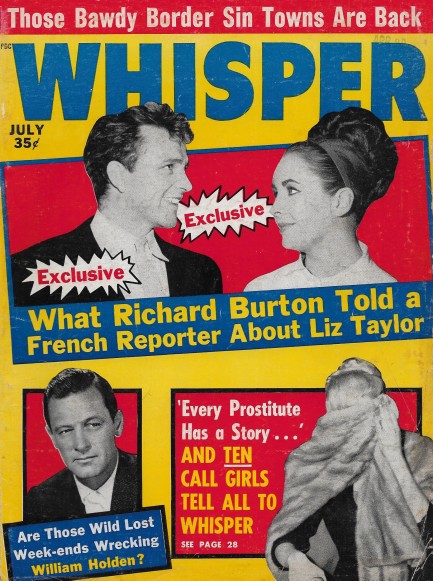 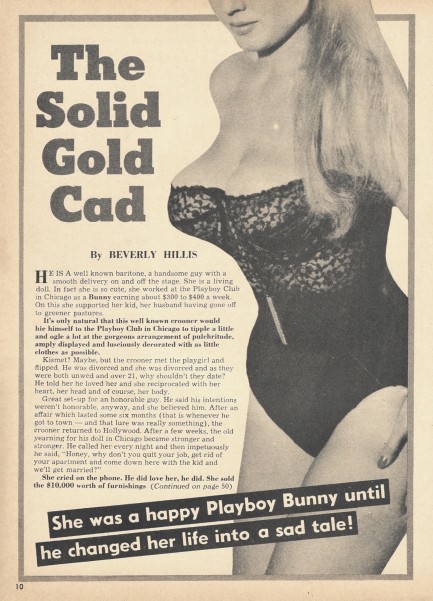 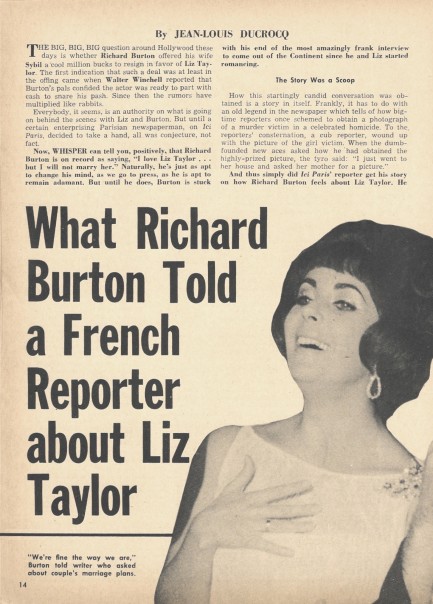 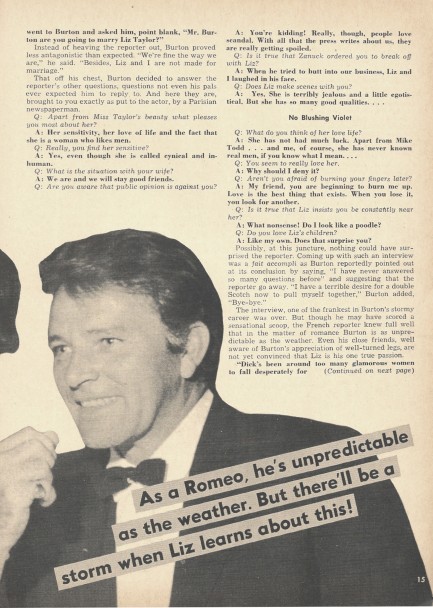 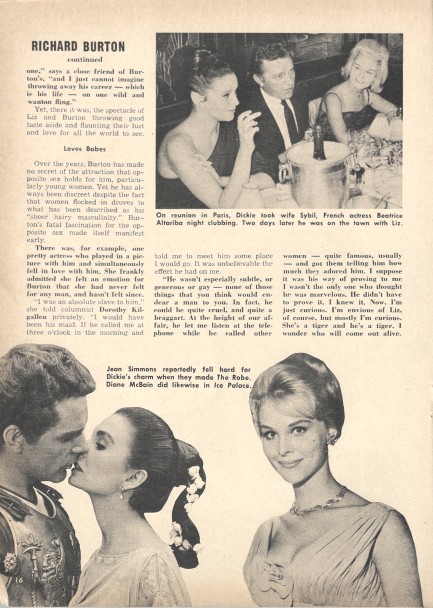 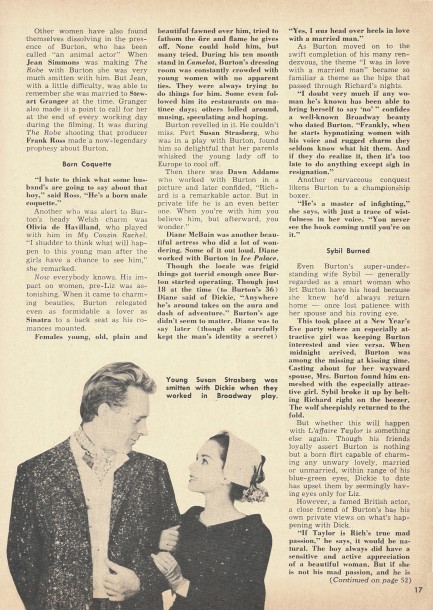 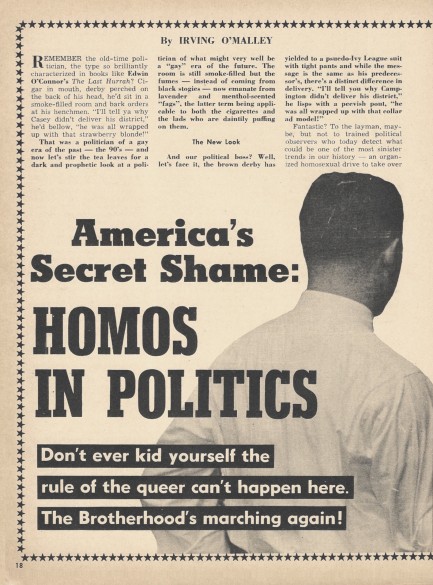 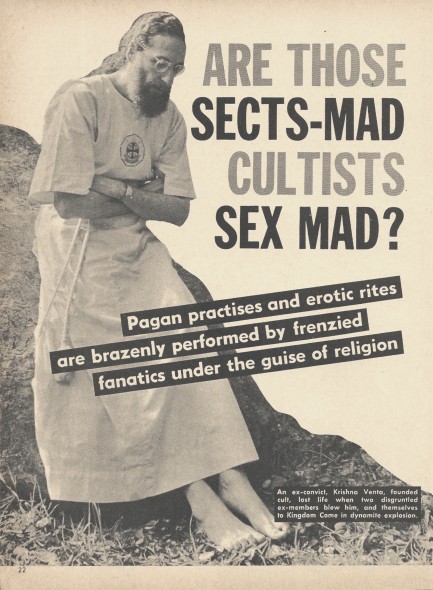 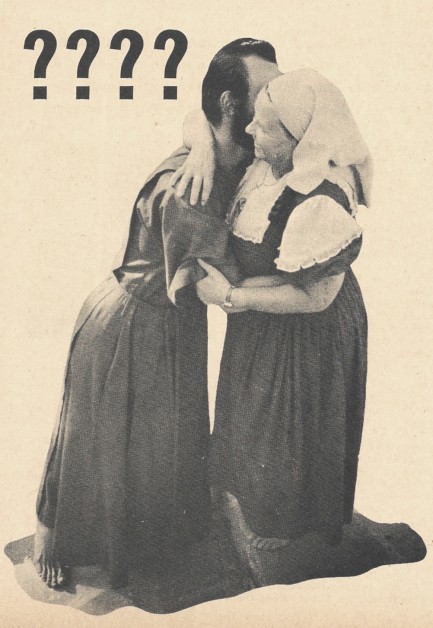 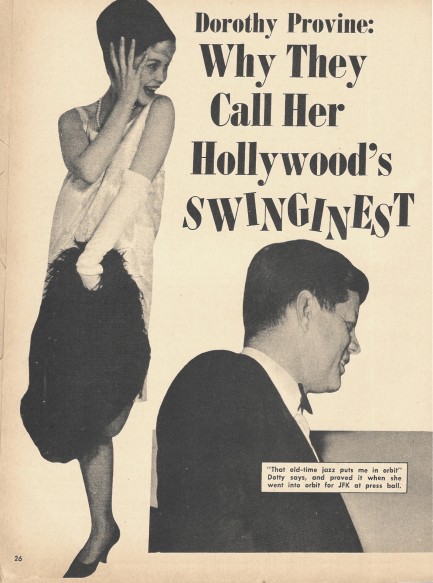 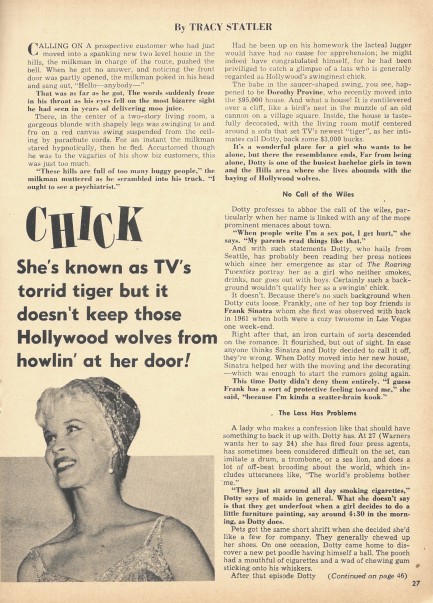 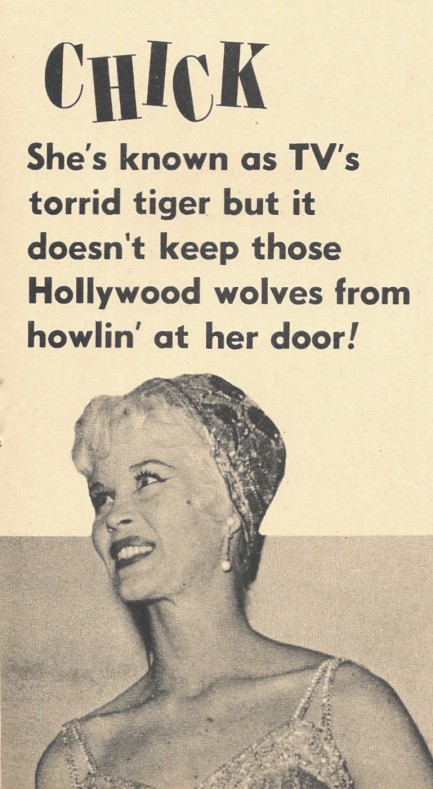 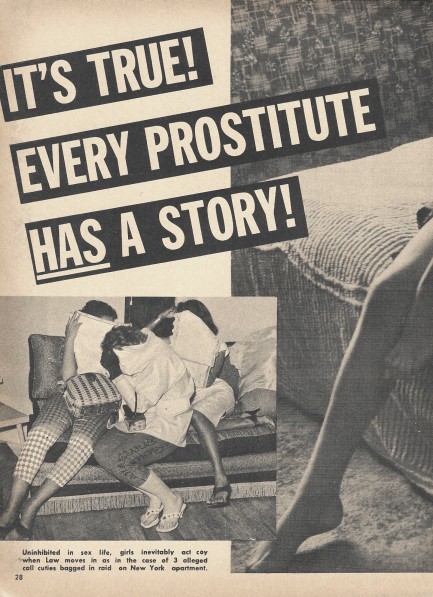 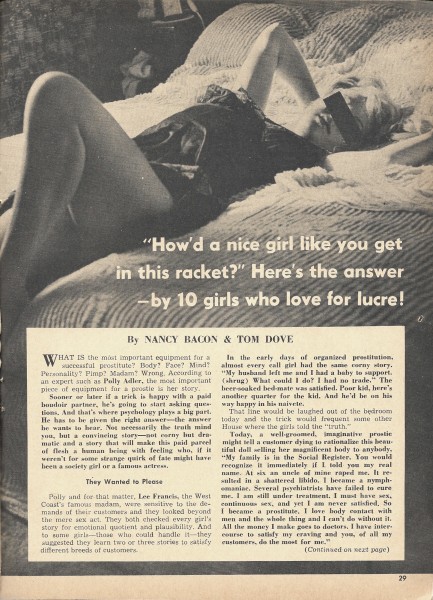 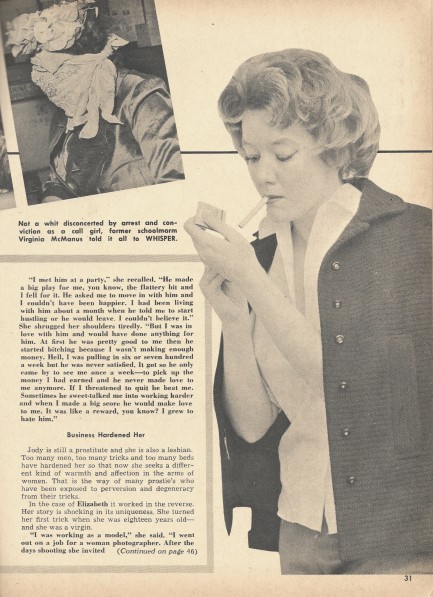 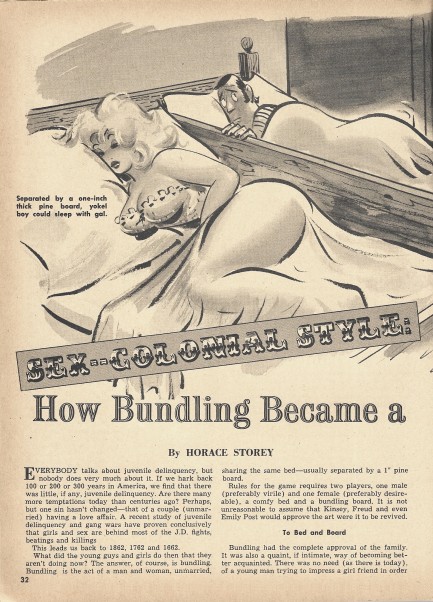 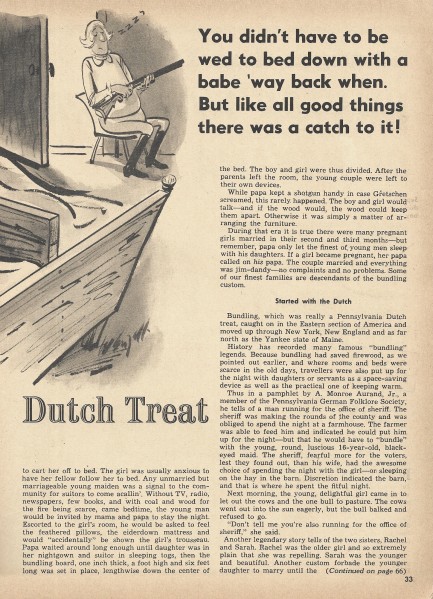 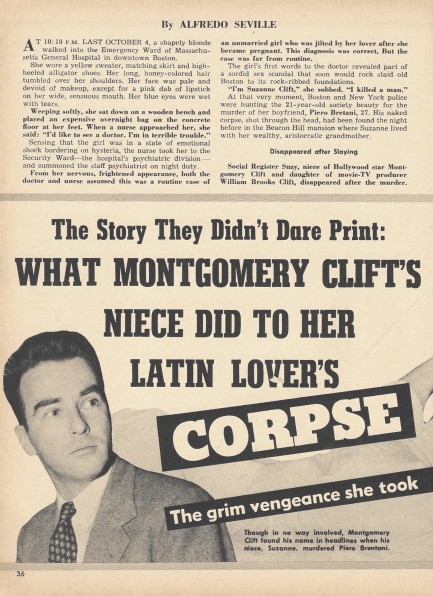 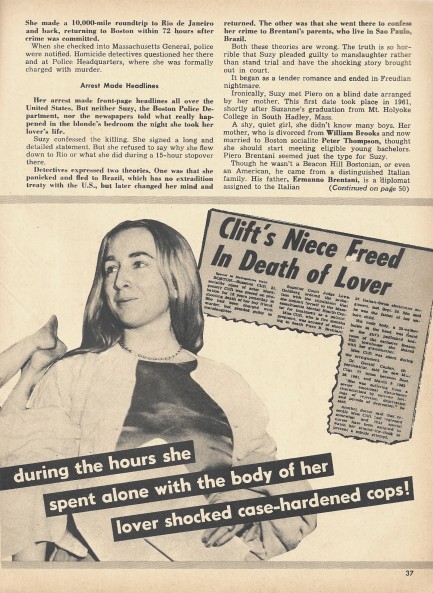 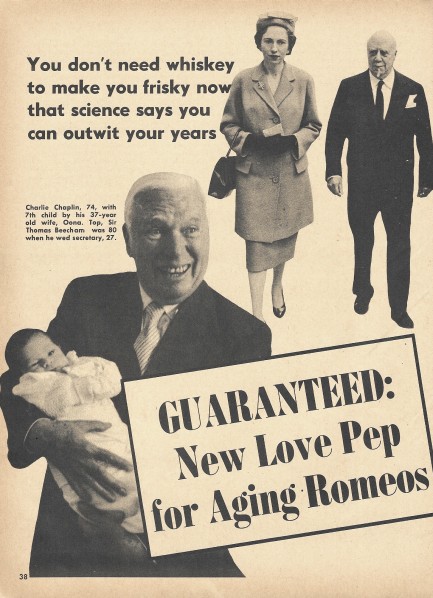 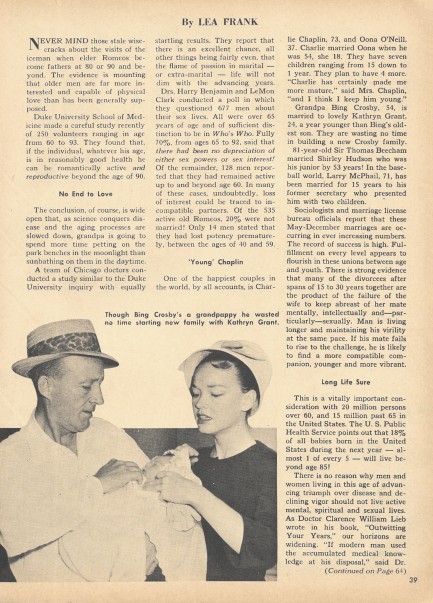 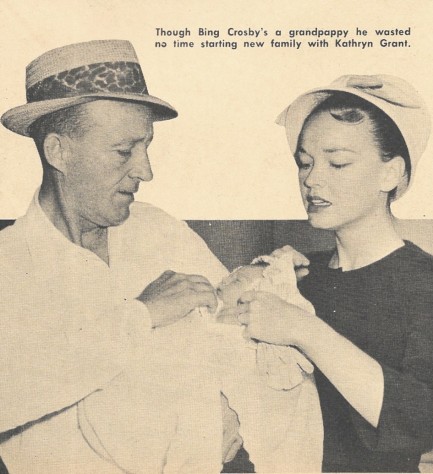 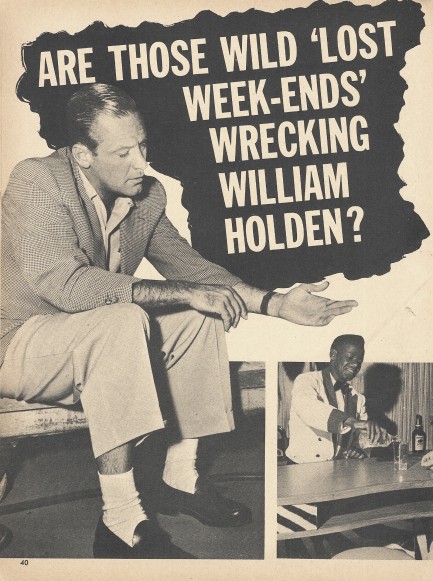 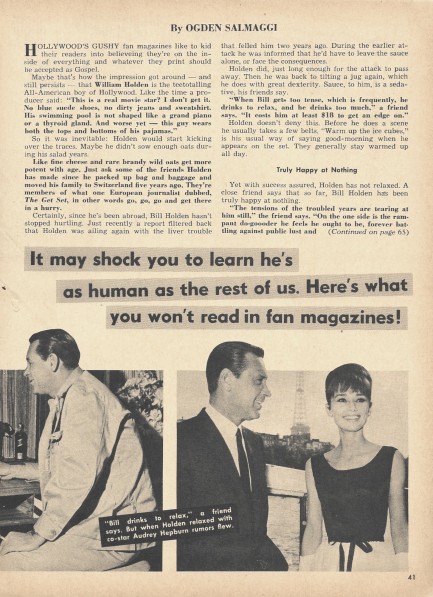 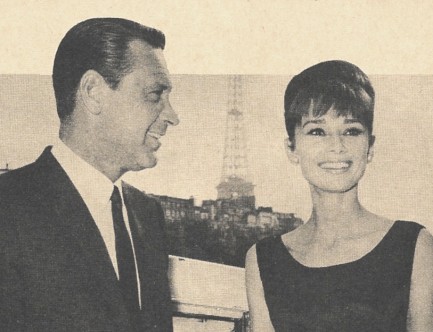 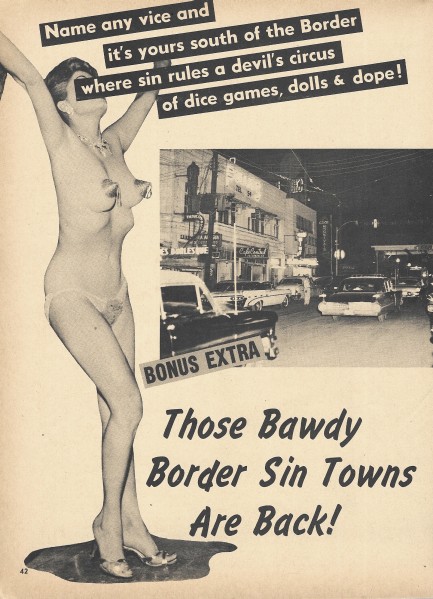 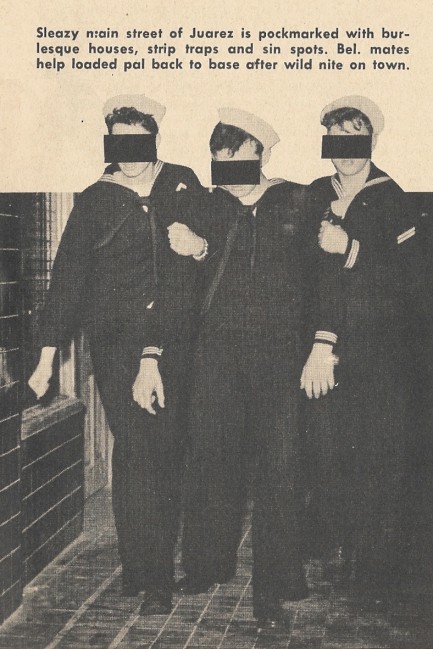
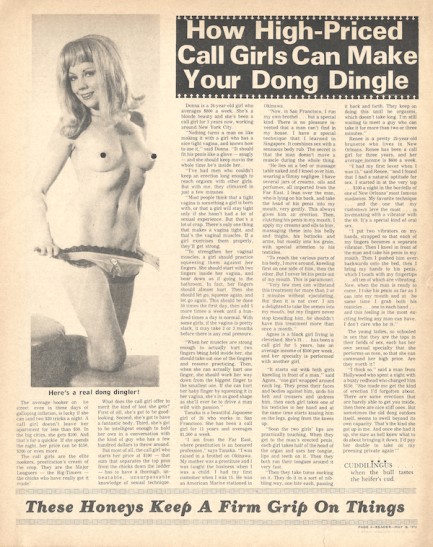
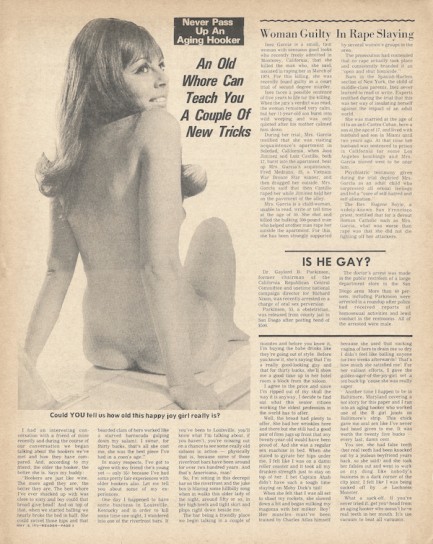
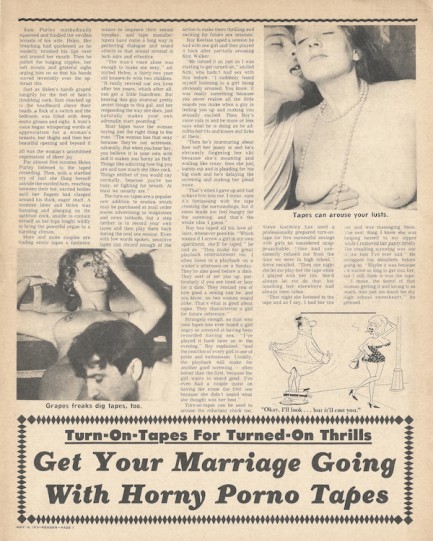
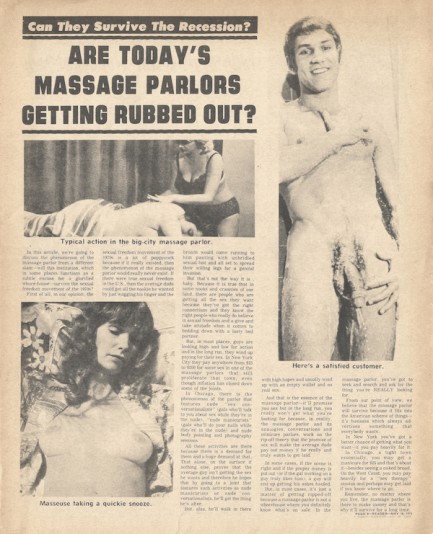
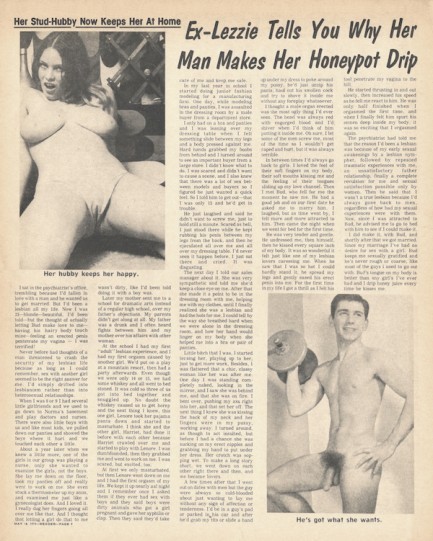
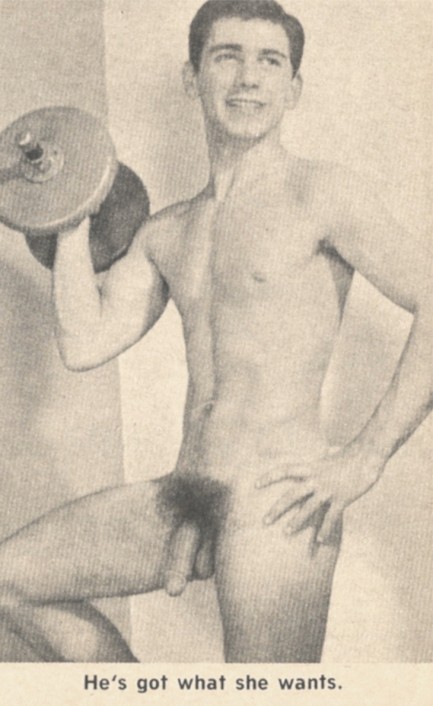
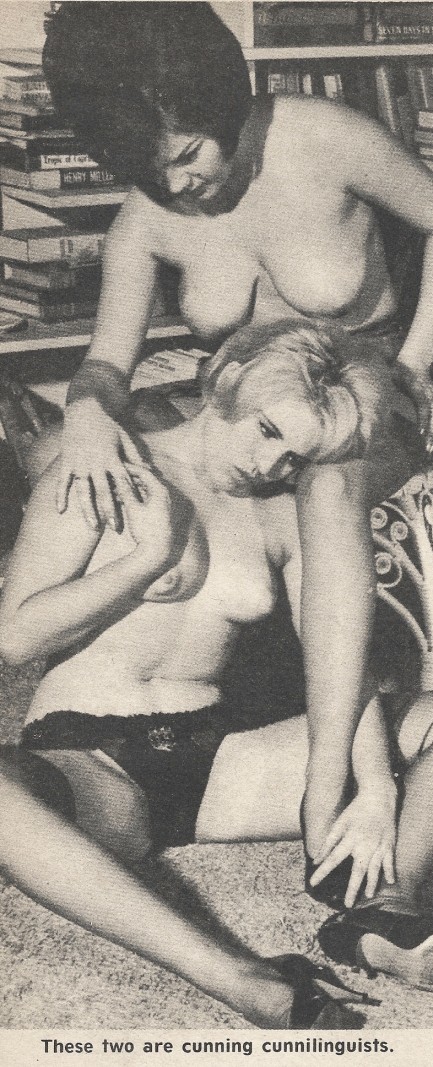
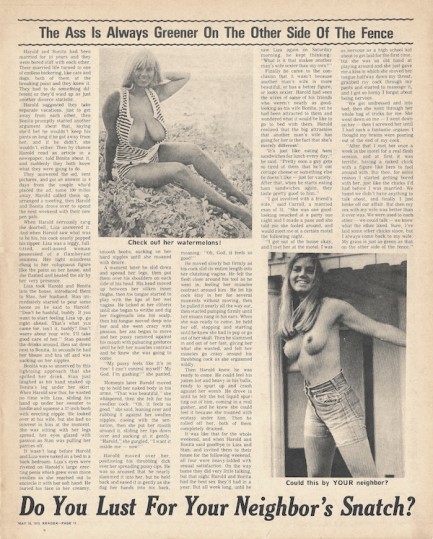
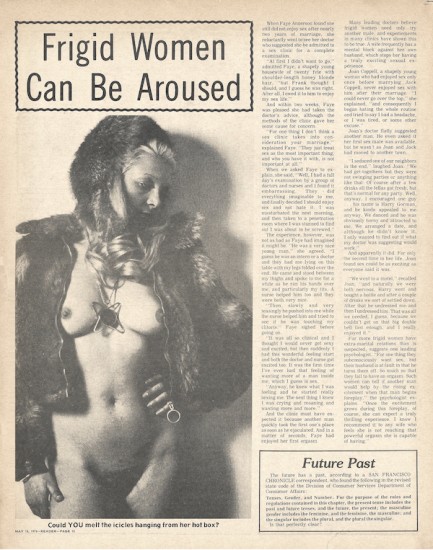
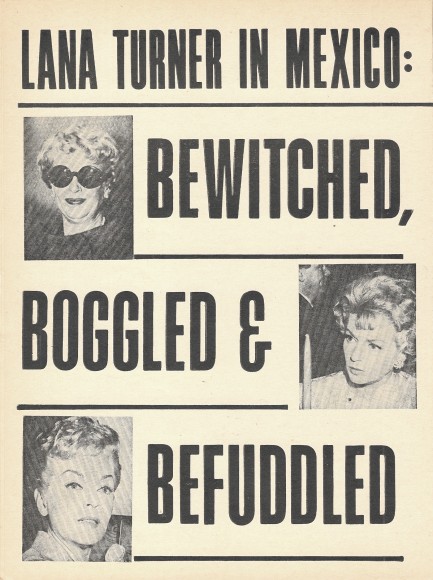
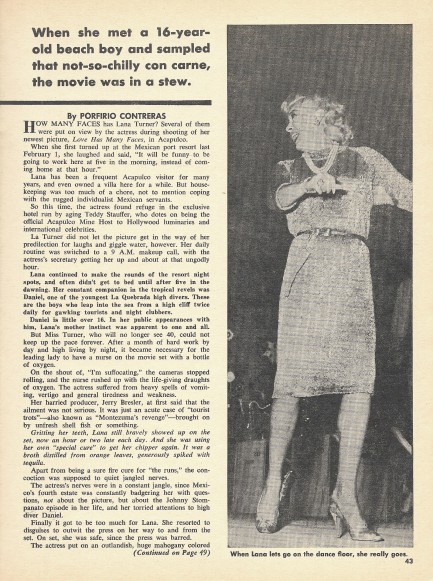
Above are some scans from an issue of the tabloid Whisper published this month in 1963. We've shared hundreds of tabloids over the years, and we always marvel at them. How would you describe the compulsive need to know what's going on in other people's lives? Is it a from of comparison? Is it schadenfreude? Is it envy? The American Psychological Association calls it natural behavior stemming from the fact that humans are social animals curious about what's going on around them. It's why, according to the APA, we gossip about friends and neighbors. Your first thought, in terms of tabloids, might be that celebrities are neither friends nor neighbors. However, the headshrinkers tell us they are. People create parasocial relationships with celebrities, and thus the same dynamic exists. And nobody is immune. Condescending remarks about celebrity gossip are liable to come from people inordinately involved with their favorite baseball player, acclaimed author, or television talking head. Some people let celebrity fashionistas suggest what they should wear, while others who consider themselves above such silliness let television pundits tell them who to hate.
We find mid-century tabloids incredibly interesting, even if everybody being gossiped about is long departed. The robust sales of tabloids on auction sites seems to confirm that we aren't alone. In this issue Whisper digs dirt on numerous titans of celebritydom—Elizabeth Taylor, Richard Burton, Audrey Hepburn, Bing Crosby, Charlie Chaplin, and others. Editors also let their bigot flags fly by predicting “one of the most sinister trends in history—an organized homosexual drive” to take over the U.S. That one still sells in some quarters. We'll have more from Whisper soon.
 The more things change the more they stay the same. 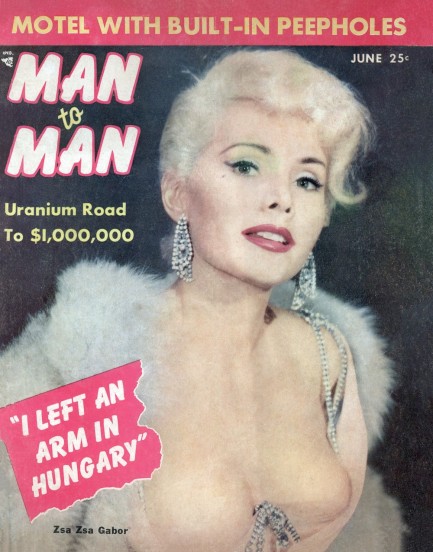
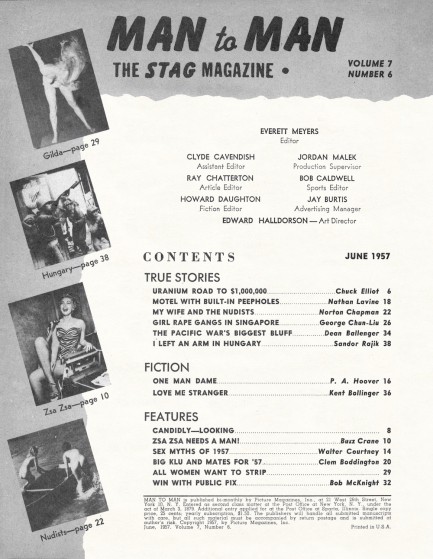
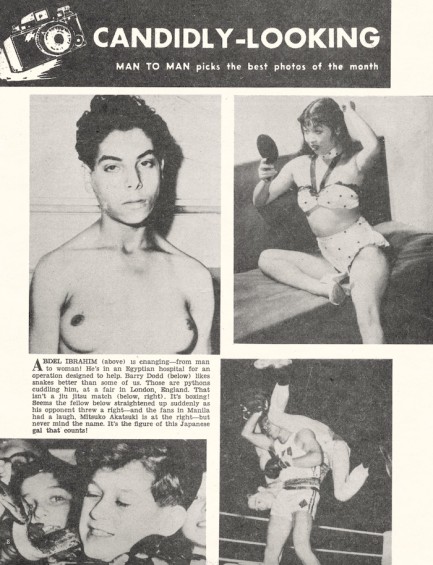
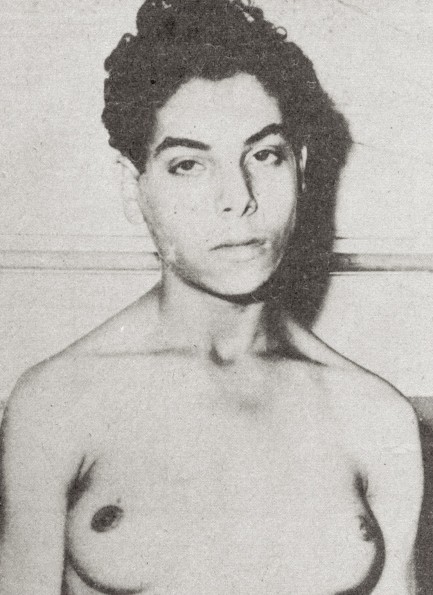
Reading old magazines has helped teach us that things have not changed as much as some people would like you to believe. This issue of Man to Man hit newsstands this month in 1957. We've now seen trans stories in nine mid-century publications, and keep in mind we've not seen even a fraction of a percent of all the magazines ever published. The person under the spotlight this time is Abdel Ibrahim, and Man to Man editors say about him merely that he's “changing from a man into a woman,” and, “he's in an Egyptian hospital for an operation designed to help.”
This dispassionate tone has been the norm, from what we've seen, and shows yet again how the process of creating hysterical prejudice works. First, you train people to believe something unprecedented is occurring, then you frame that as a threat to people's “way of life.” But these old tabs serve as an inconvenient truth—sex reassignments have been around for quite a while, and before then, men who passed or attempted to pass as women go back into the depths of history.
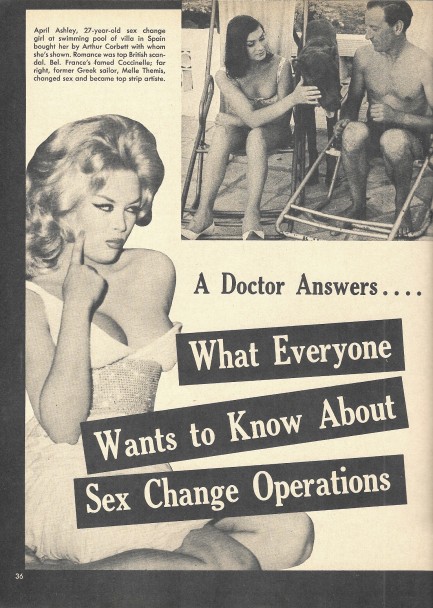
During the mid-century era many trans people became national or international celebrities, from Coccinelle to Christine Jorgensen to Ajita Wilson. The knowledge of transexuals was so mainstream that the top-selling tabloid Whisper even published a 1965 story titled, “A Doctor Answers What Everyone Wants To Know About Sex Change Operations,” with the key word in that header—everyone—suggesting that the dominant reaction socially speaking was neither anger nor fear.
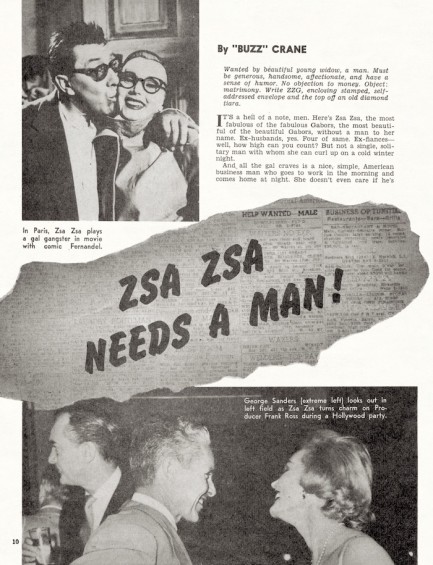
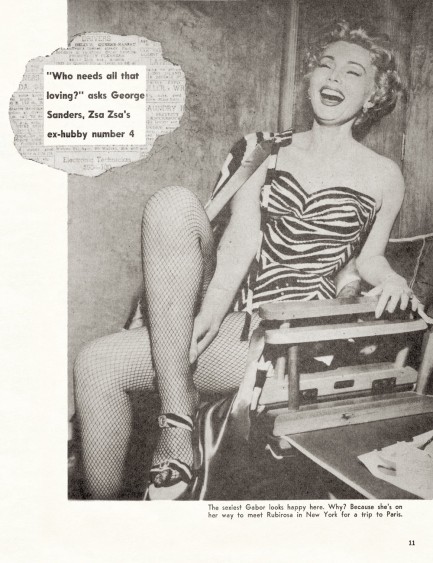
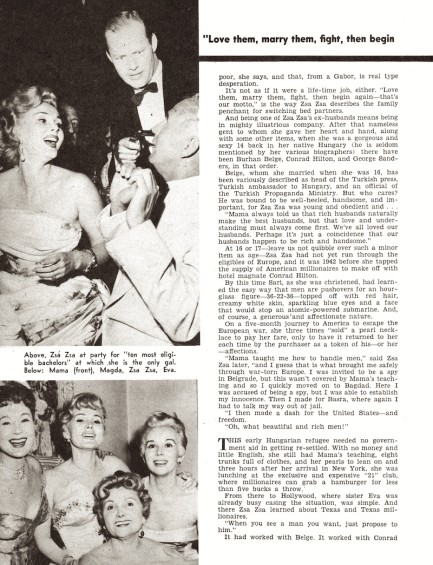
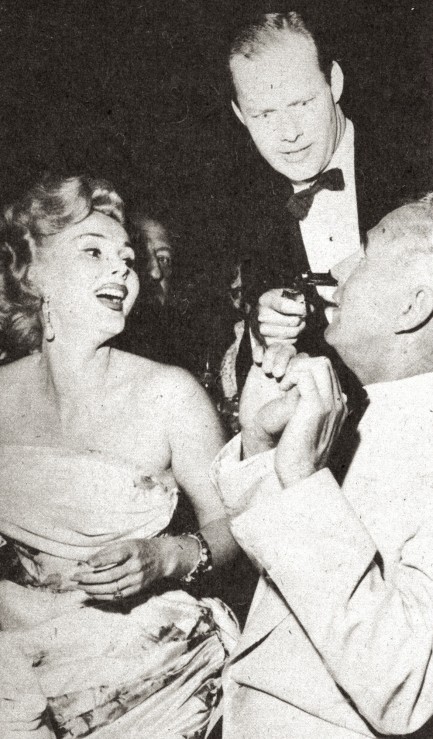
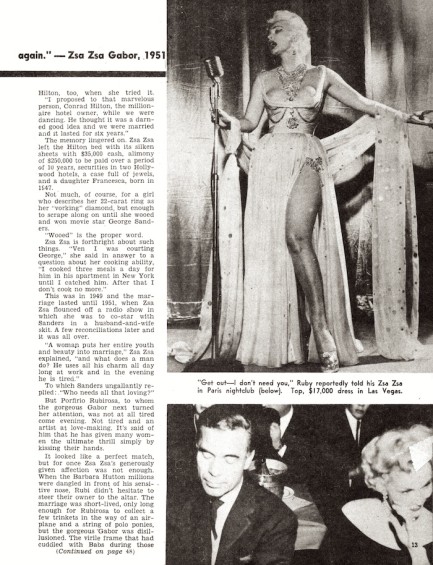
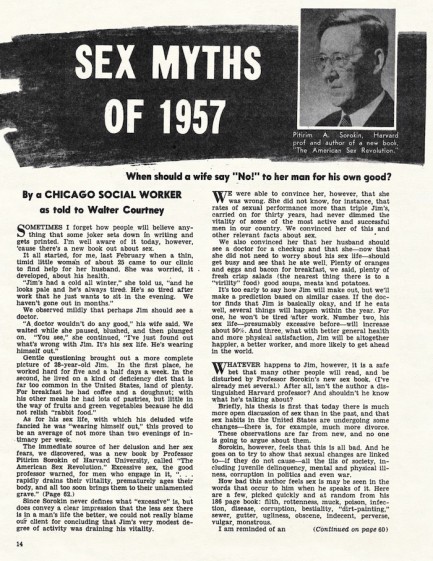
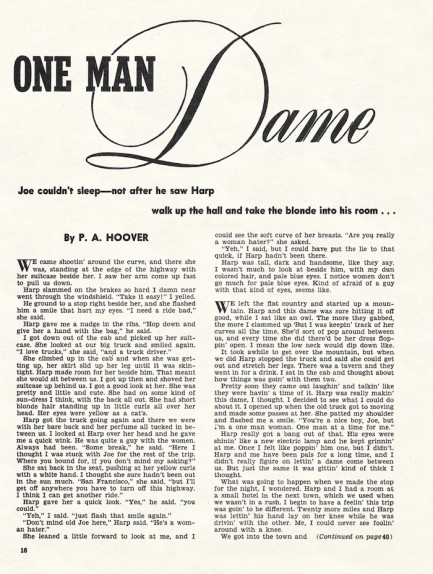
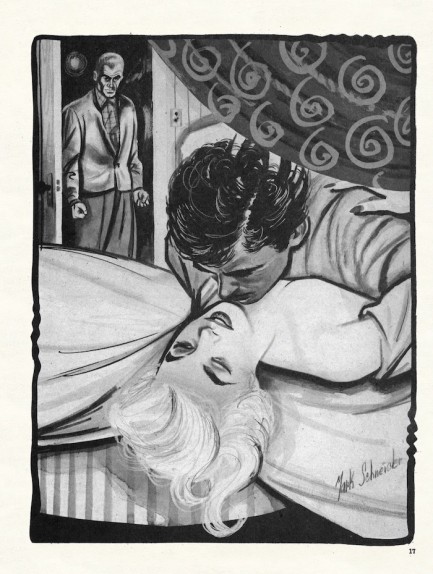
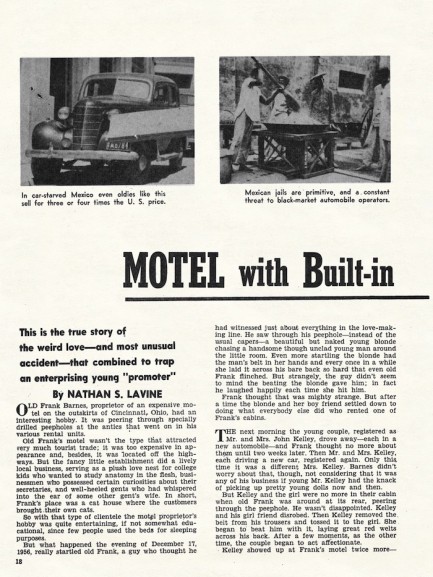
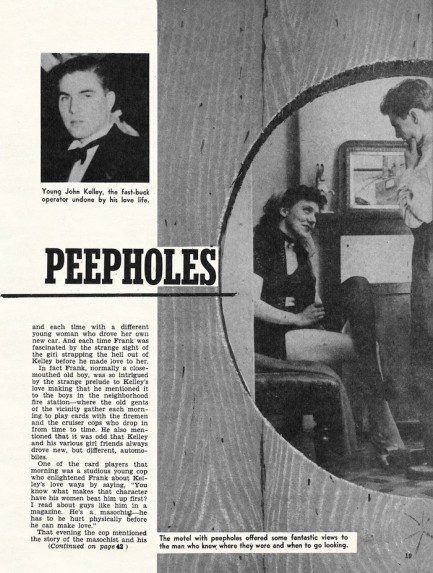
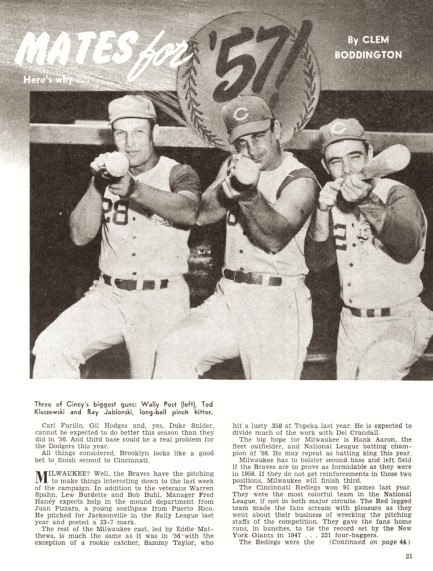
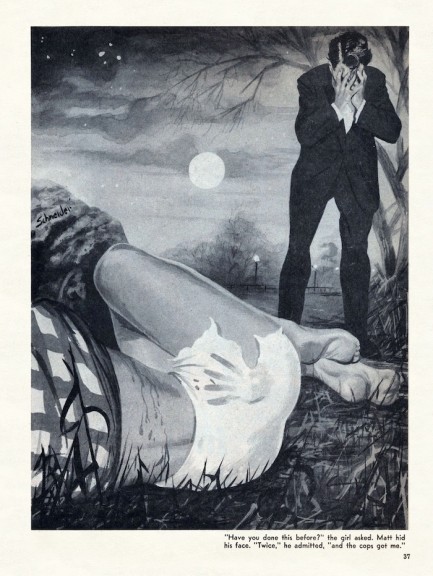
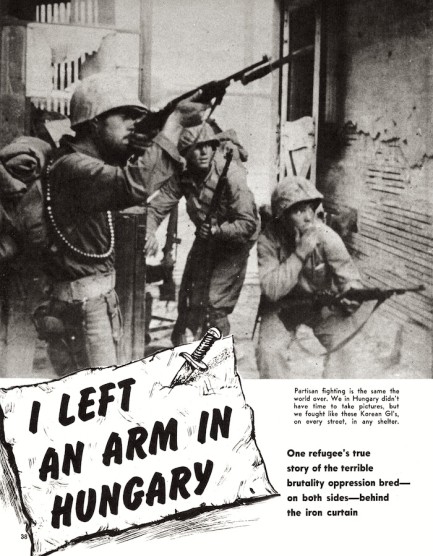
Elsewhere in Man to Man you get Zsa Zsa Gabor, including in one photo that looks familiar, sex myths of 1957, motel peepers, war, crime, fiction, a bit of nudism, and a bit of burlesque. You also get two pieces of art from popular illustrator Mark Schneider, who we've highlighted before. He mainly worked for Sir! magazine. We put together a collection of his covers for that publication which you can see here. You can also see three more issues of Man to Man by clicking its keywords below and scrolling down.
                 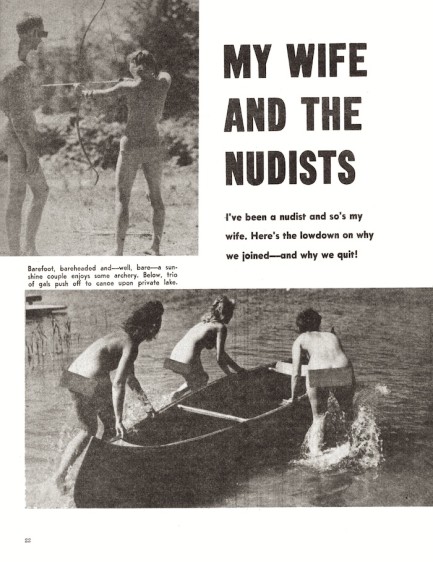 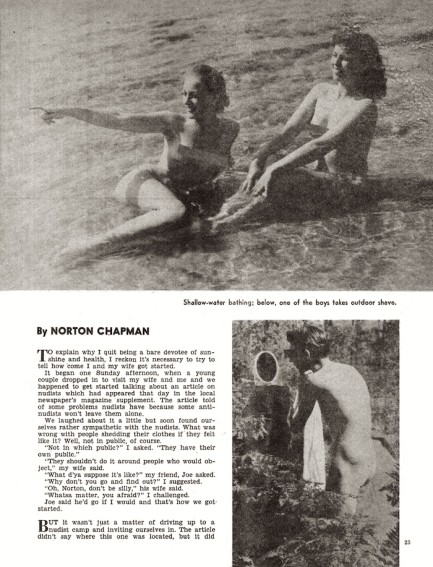 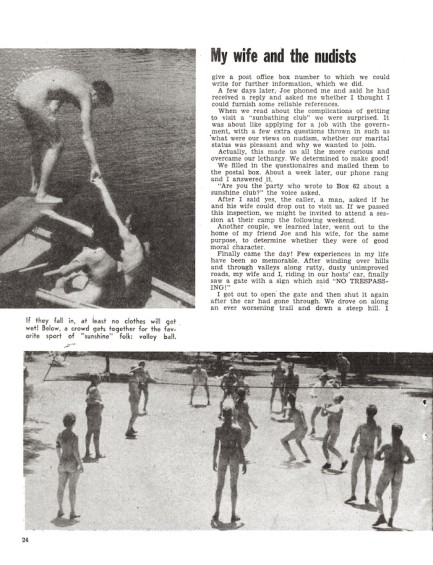 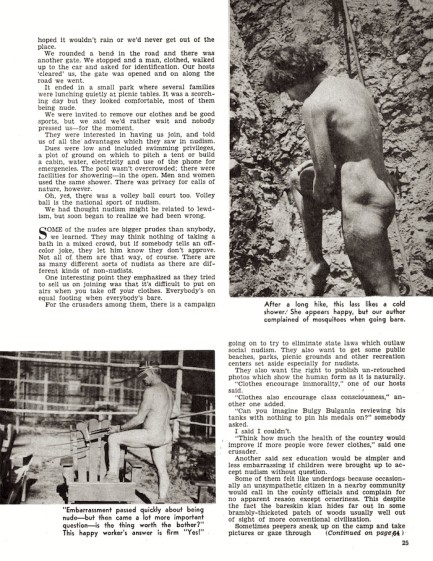  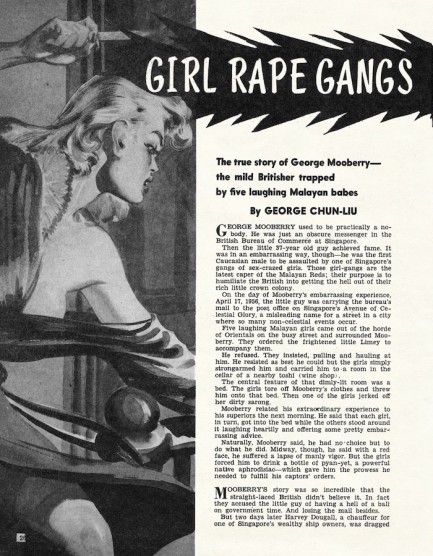 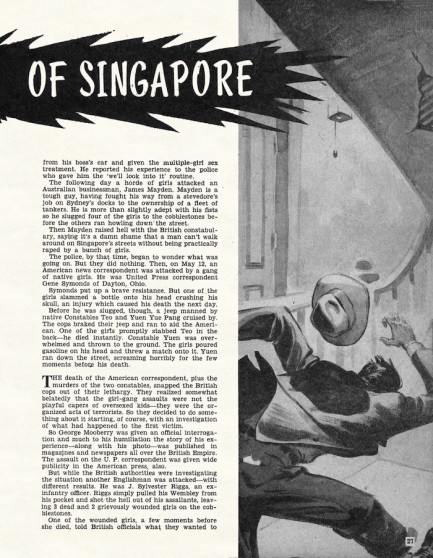 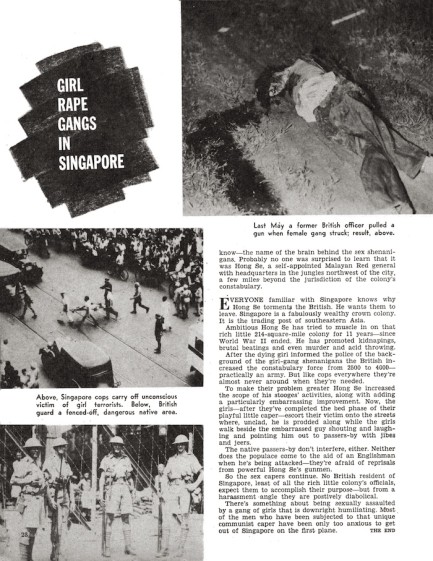          
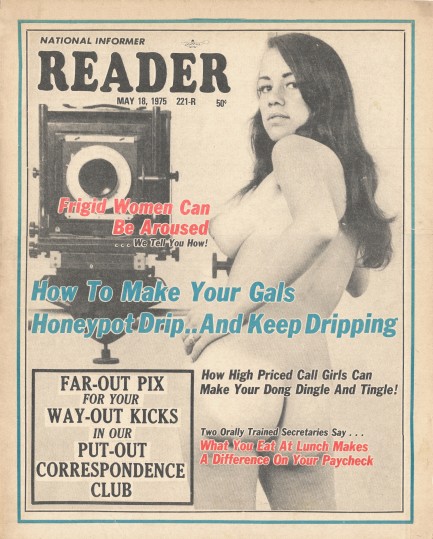
 National Bulletin's fake cover story was unconscionable even in 1972. 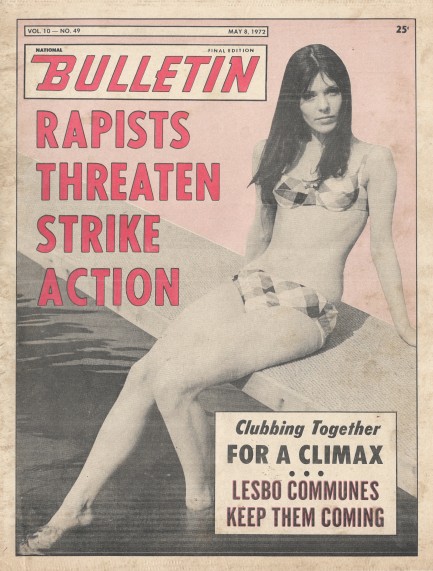
This issue of National Bulletin published today in 1972 features a cover touting rapists going on strike. Do we have any doubt that this sprang from the brows of middle-aged editors with smoker's coughs, fallen arches, and no dates? As we've documented before, cheapie tabloids often trafficked in such imaginary stories. This one is akin to comedy—unamusing, tone-deaf comedy. The gist is that the head of RUFF—the Rapist's Union for Fun and Frolics—says raping women isn't fun anymore because they're too liberated and actually enjoy it. It would have been crude already in 1972 (that's why the editors did it), but these days such sentiments send a cringe through the deepest recesses of your body. The honchos at National Bulletin would, of course, say they're just riffing, yet the fact that the idea was considered by them to be viable as humor still says so much. And what it says isn't good.
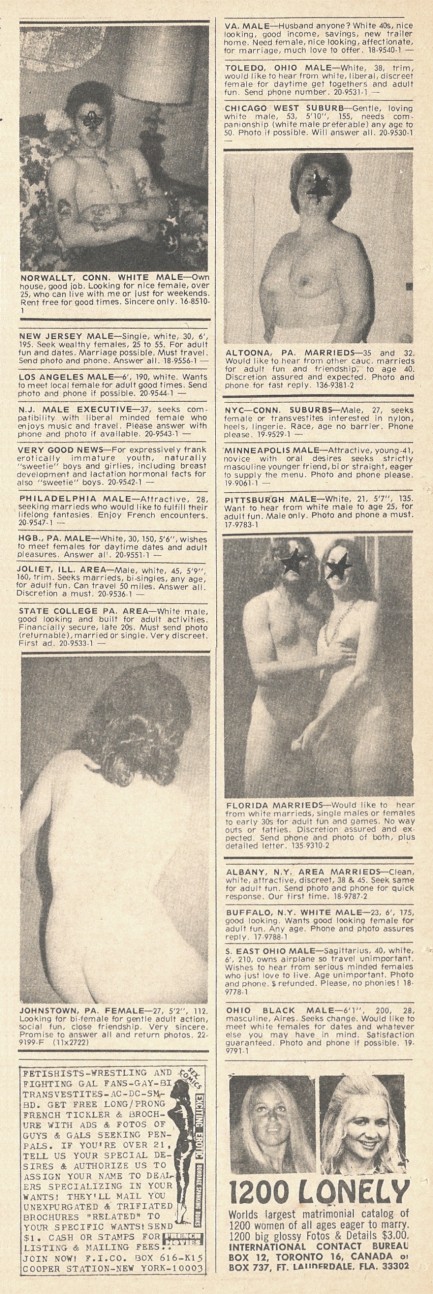
So why share such items? Well, we're mainly interested in the art and graphics of old paperbacks and movie posters, and the rare photos of celebrities found in period tabloids. There are starphotos in these publications that literally don't exist online until we upload them. As lovers of old Hollywood, it's mandatory that we do so. But also, in our view, it's important to document vintage social attitudes. And here's why—after enough time passes it's easy for bad faith entities to pretend such beliefs never existed. Sharing these tabloids reminds us both of where we came from, and where we're going. In terms of promotional art and aesthetics, we believe we've ended up someplace worse than before—no matter how many book design awards are given to whichever Photoshopped covers of whatever year. Conversely, in terms of social development, we believe things are generally—despite an eddy of a few years or a decade here or there—improving.
So we're presented with divergent movement—trains traveling in opposite directions on parallel tracks during the mid-century era. On one track is excellent and commemorable visual content, and on the other is a set of social attitudes with which we tend to disagree. While it's true we could separate the art from its context, we think that's a bad practice. Many of the emails we've gotten from students, researchers, filmmakers, writers, and history buffs curious about these magazines indicate to us that without context, understanding the true characteristics of art is impossible. It'd be like looking at Picasso's “Guernica” without knowing there was such as thing as the Spanish Civil War. Yeah, it's still a great painting. But knowing its political genesis makes it more interesting. Knowledge is armor.
Bulletin moves on from the fictional rape story to offer up slightly less horrible fare in its other pages. Readers learn about lesbian communes, consensual bondage, prostitute conservationists, and sexually depraved athletes. Editors also tell readers Americans are losing the “sex race”—i.e. formerly virile men are becoming weak and impotent. If you're thinking you've heard similar masculine moaning on modern cable television, you'd be right, but the sad difference is that Bulletin's story is meant to be farce, whereas modern cable news is deadly serious about “feminization.” Accompanying the text is a photo of a woman taking the pants off a smiling wax figure of Richard Nixon. That is legitimately funny. We've enlarged it below. Feel free to spread that marvelous image far and wide. More tabloids to come. 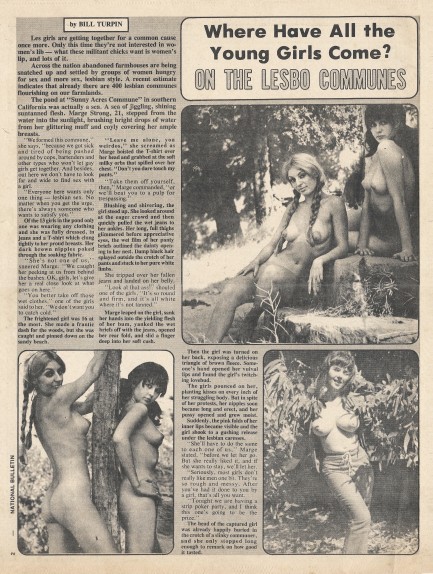  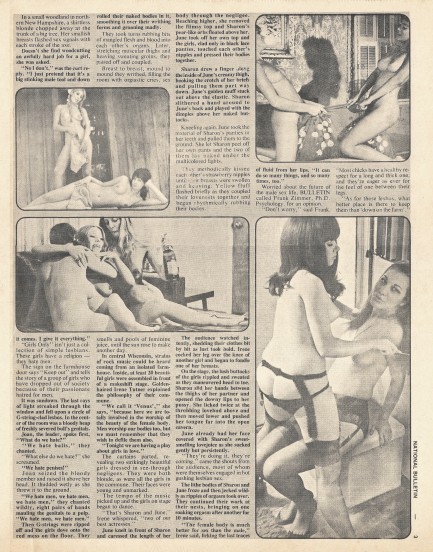 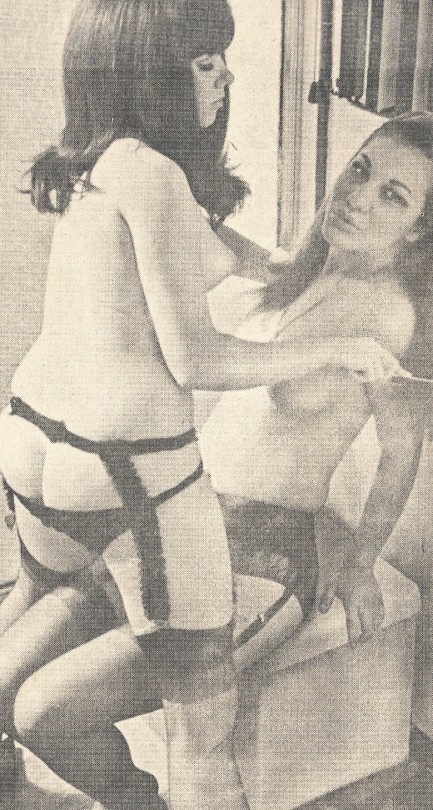 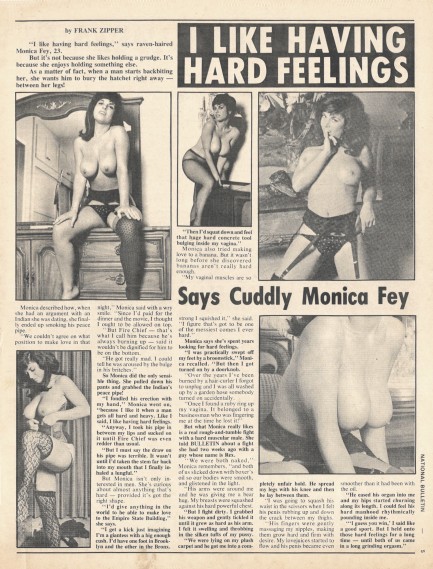  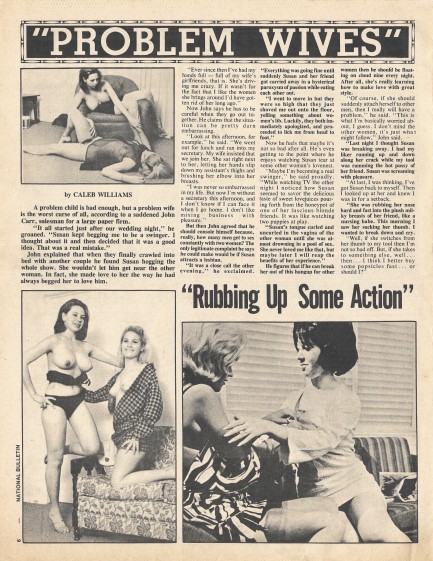  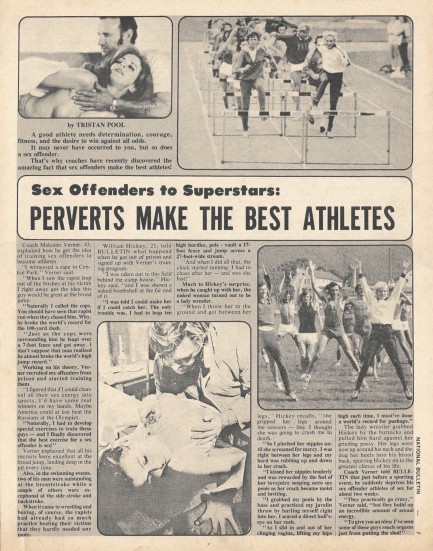 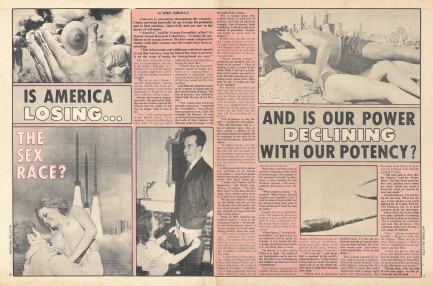 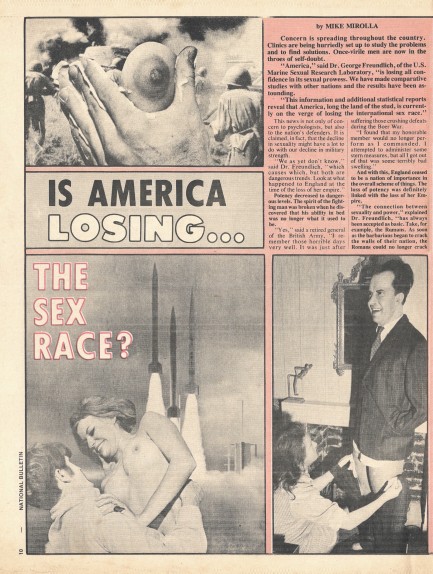 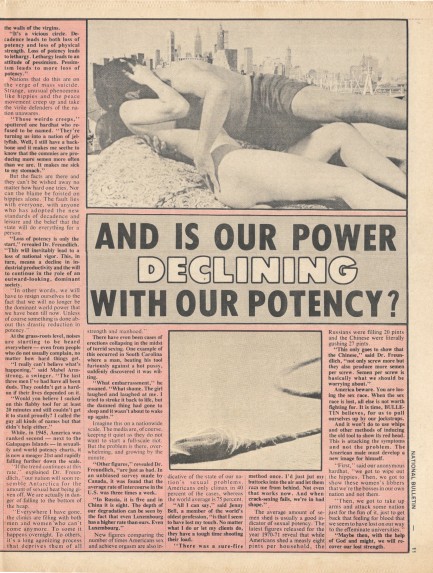 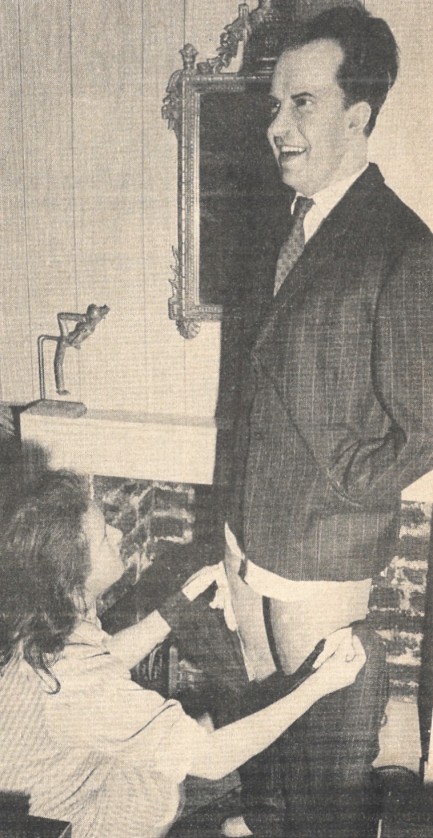 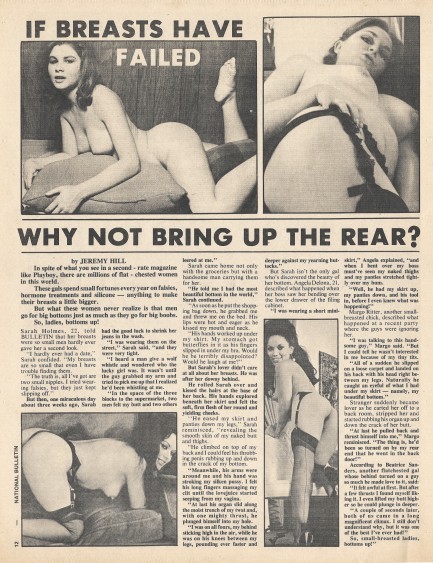 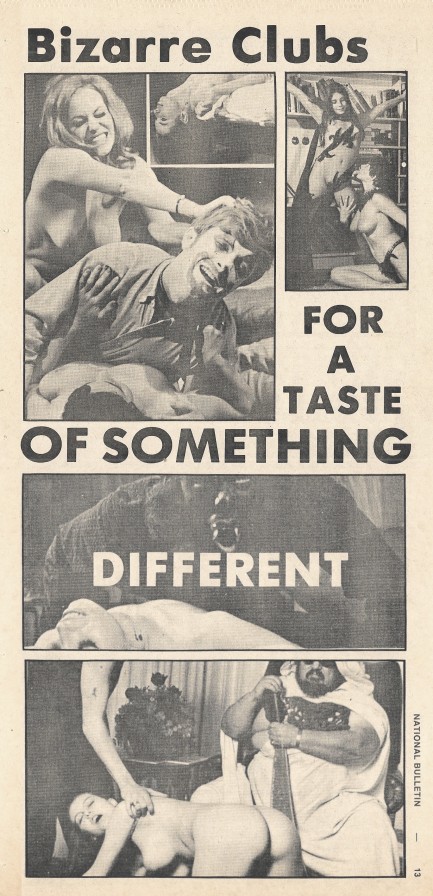 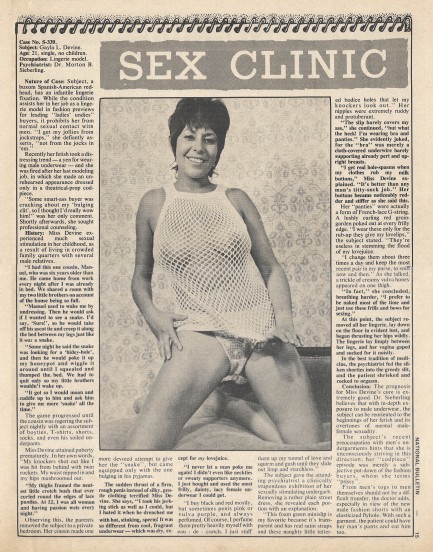  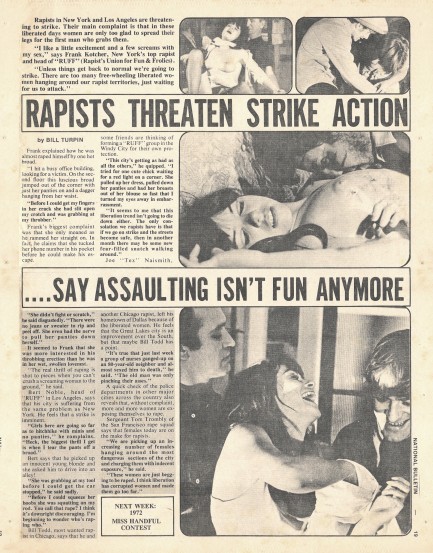 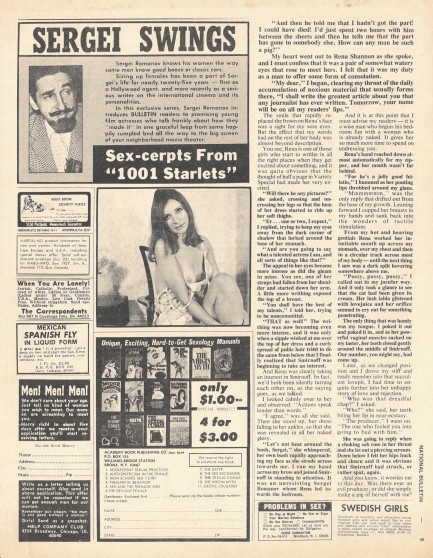 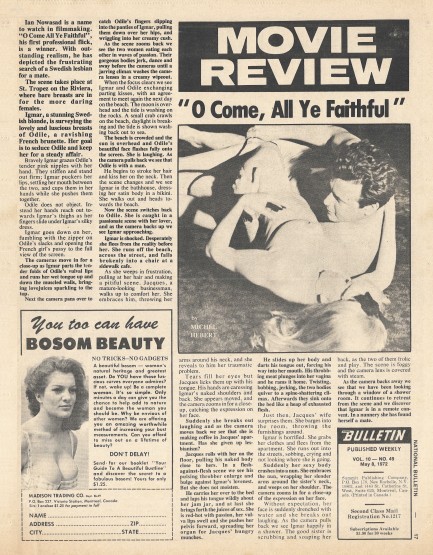 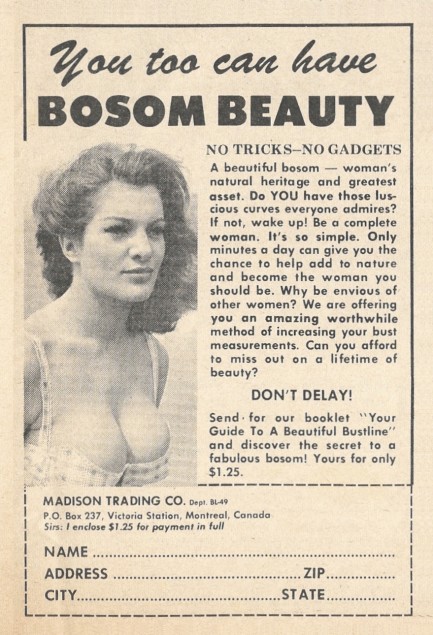  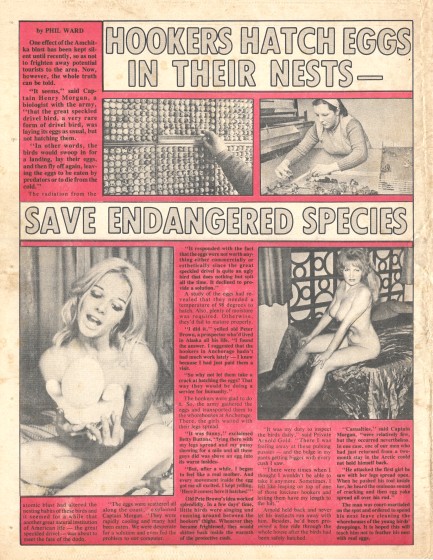
 Police Gazette was a different shade of tabloid. 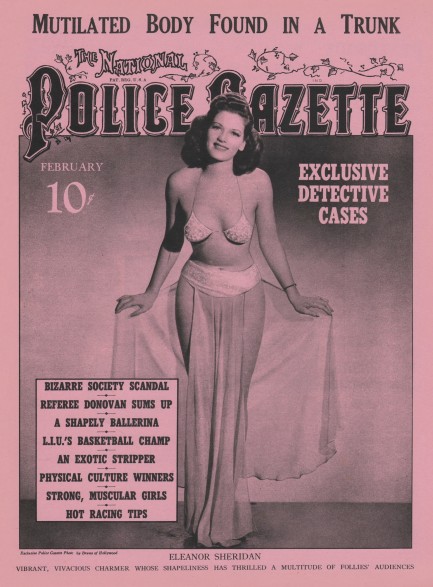 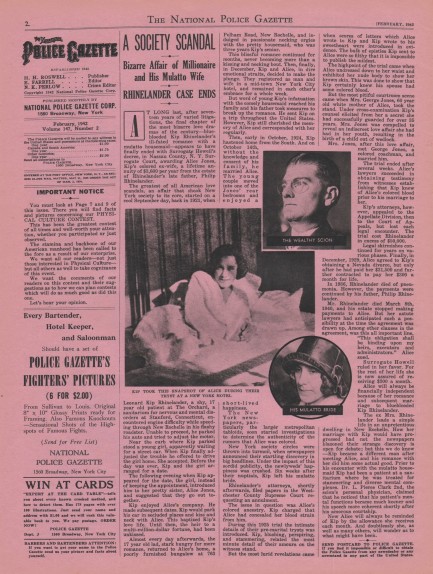 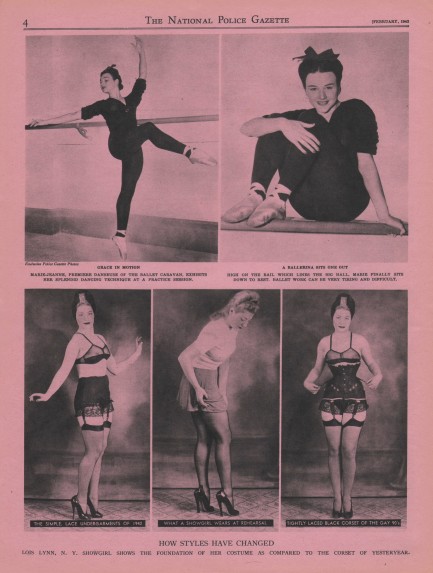 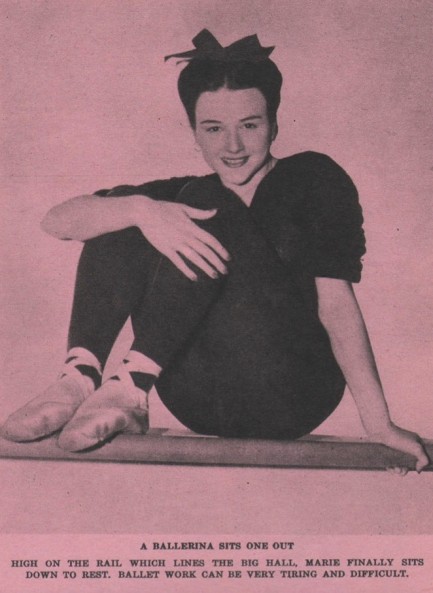 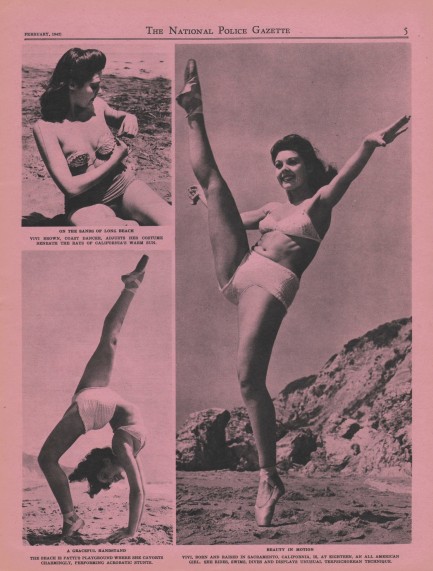 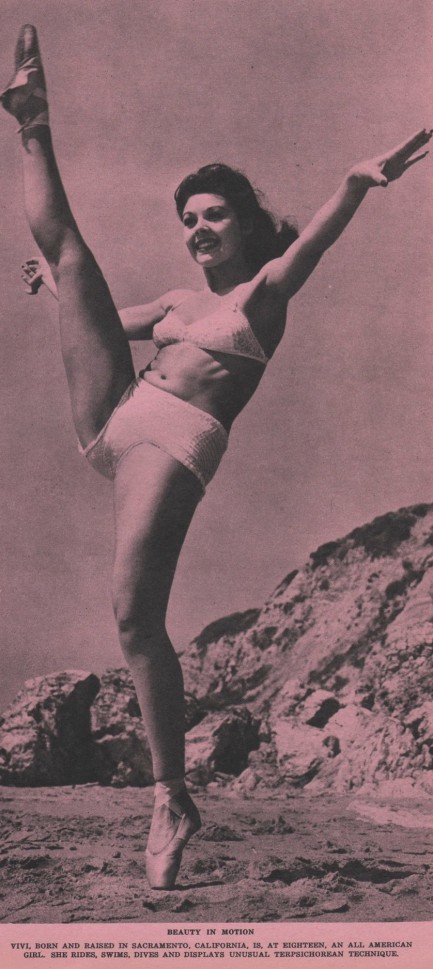 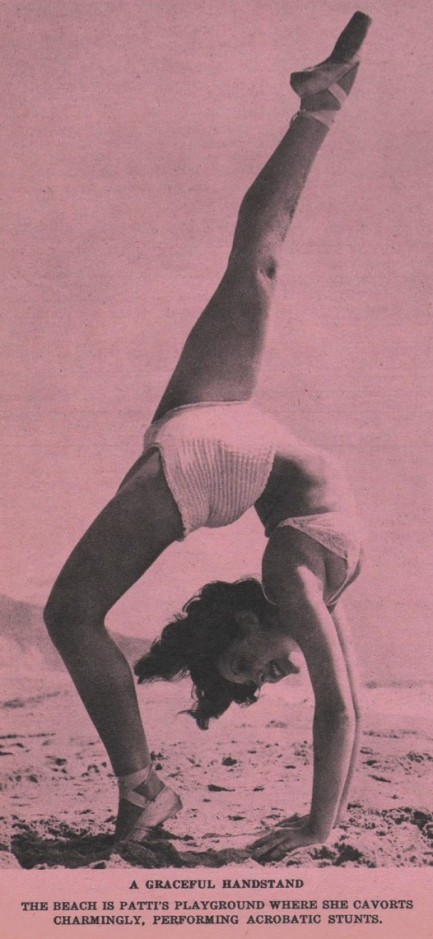 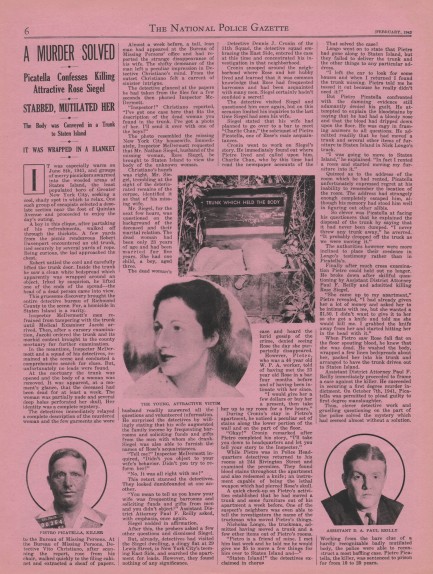 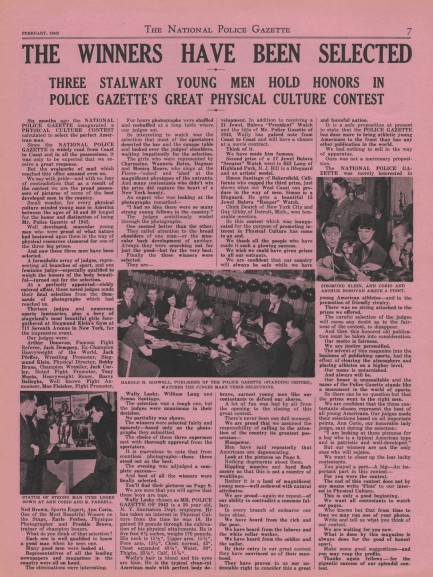 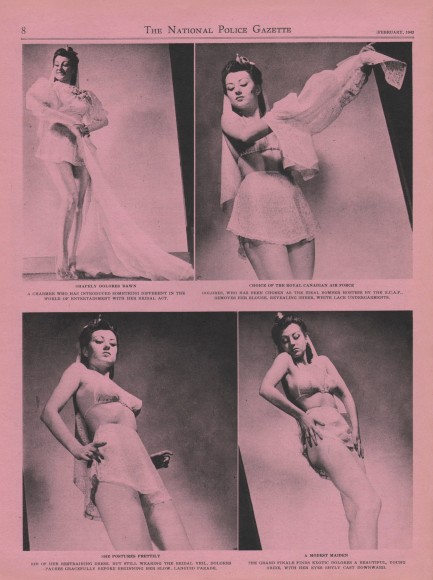 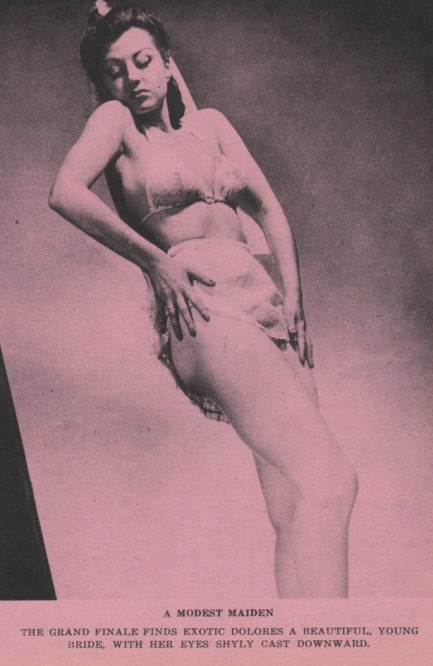 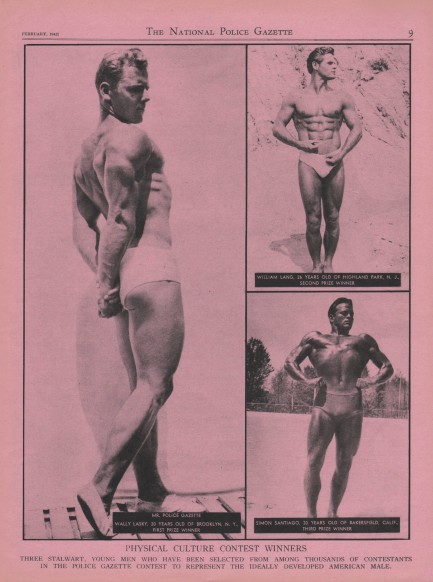 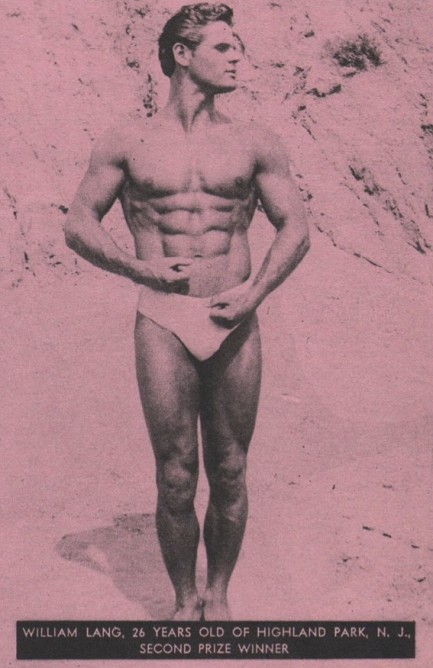 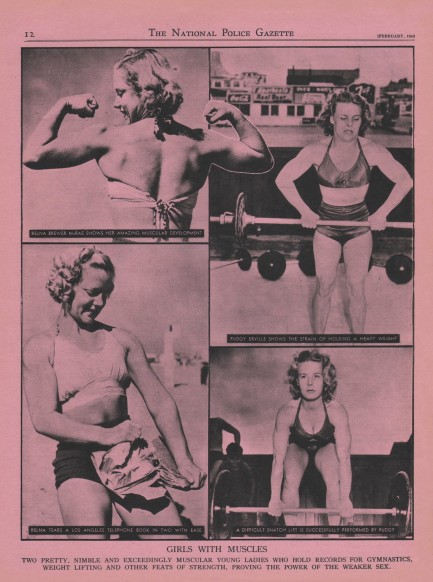 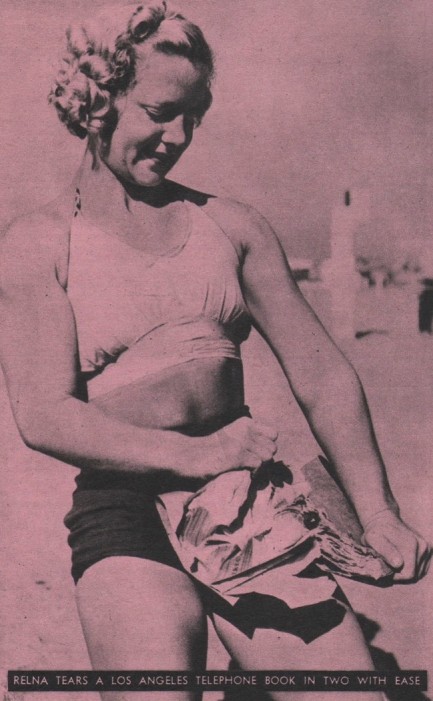 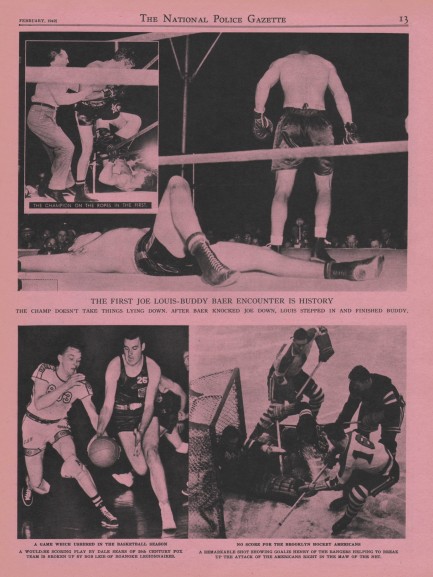 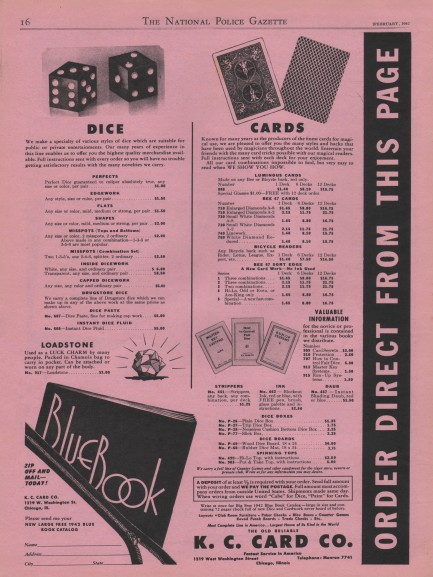
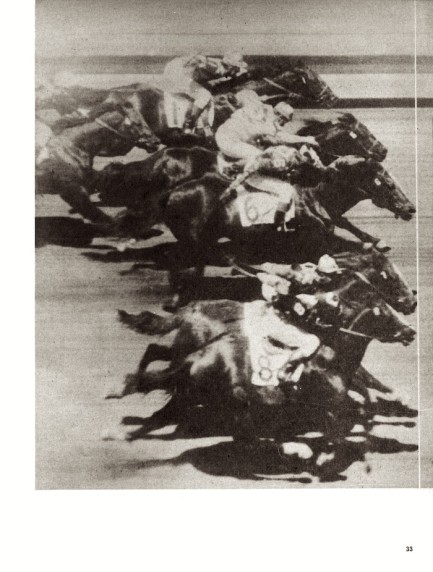
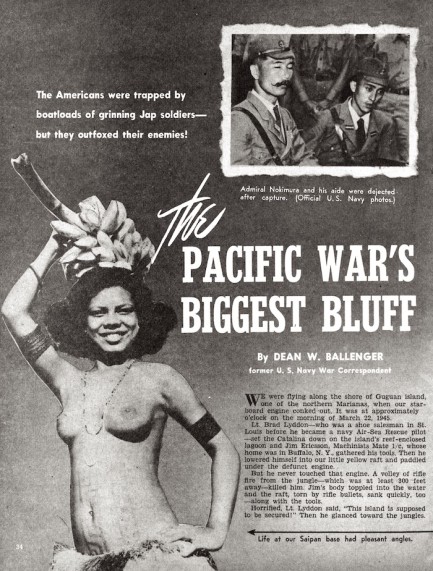
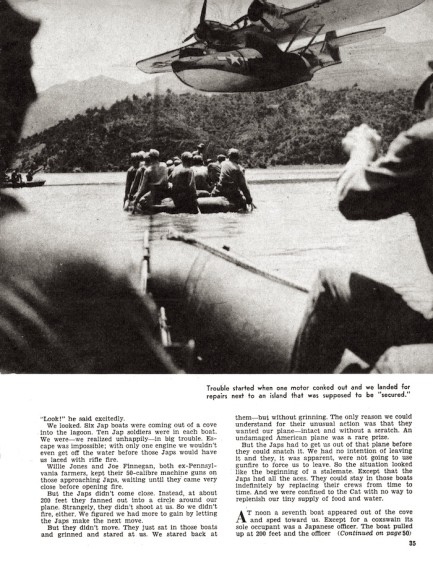
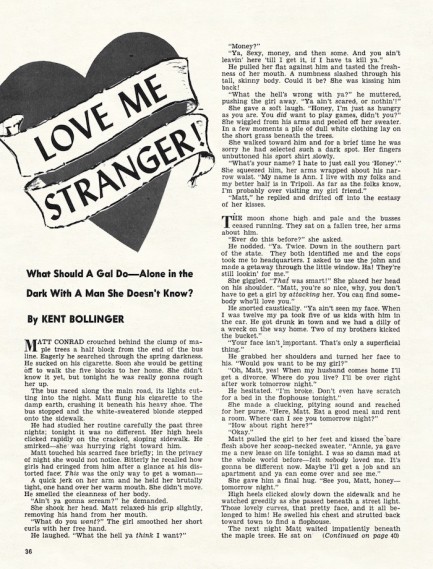
Above: scans from an issue of The National Police Gazette published this month in 1942. Back then the magazine averaged sixteen pages, which means you just saw everything except a few pages of advertisements. Gazette would later greatly increase its page count, lose its pink shade, and take on the outward appearance of a standard tabloid, but it always stood apart from Confidential, Whisper and other top scandal sheets because it was less focused on Hollywood. Instead, it saved space for boxing, baseball, horse racing, and burlesque. It was one of the longest lived magazines in the U.S., and you can track its evolution through more than seventy-five issues at our tabloid index at this link. Just click and scroll down to “Police Gazette.”
 It was a good thing for its readers Hush-Hush didn't know the meaning of the term. 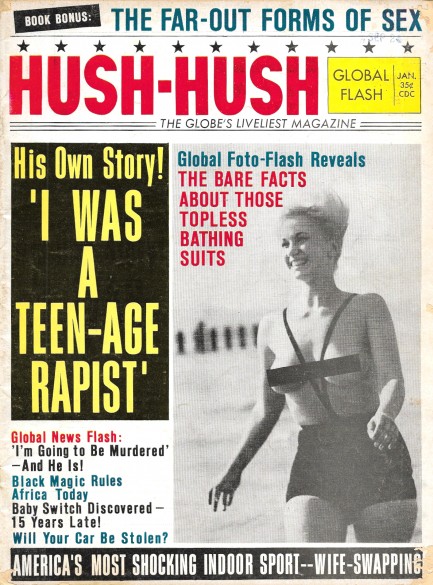
No, we're not going to get into teen-age rapist story that dominates this cover of Hush-Hush published back in January 1965. Though based on a real occurrence, the article is titillation disguised as crime reporting, written during an era when many men thought of rape in one of three ways: vandalization of personal property if the victim was his wife or girlfriend; an attack on the family castle if she was a relative; and she asked for it, which was reserved for most other women. We stress “many men,” not all. From what we gather the majority properly saw it as a heinous attack on the woman. Of course, the vicious nature of it didn't stop it from being widely used as a cinematic and literary device, but that's another discussion, one we've already had and doubtless will again.
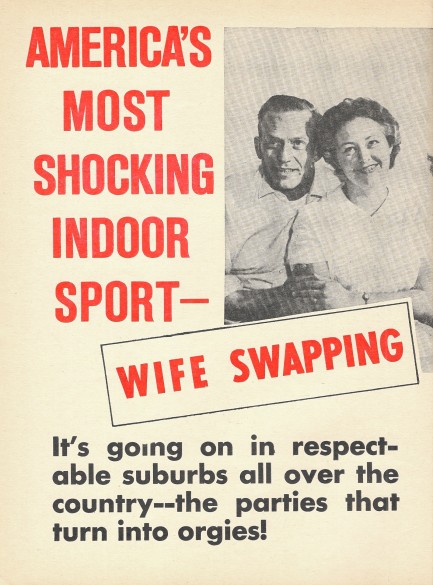
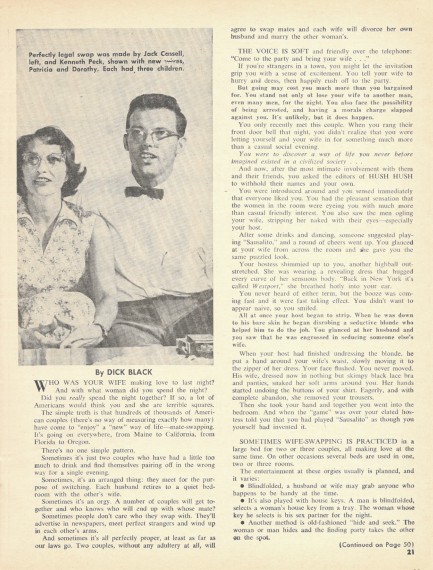
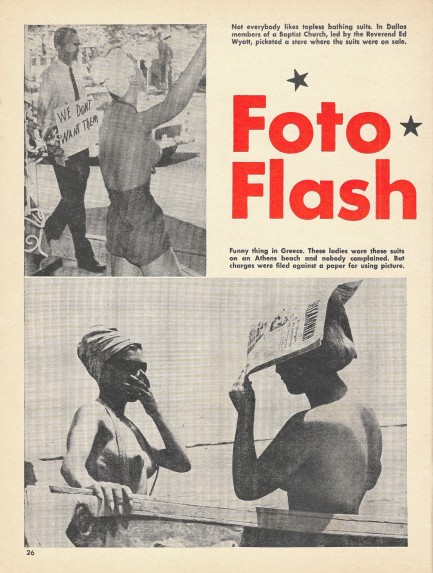
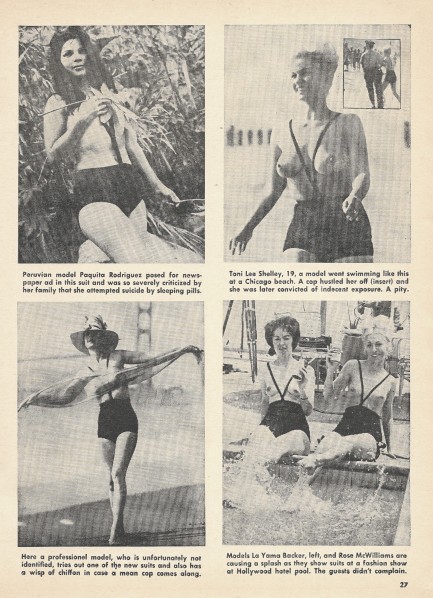
Elsewhere on the cover you get photographic proof that topless bathing suits really did exist during the 1960s. There are only a few photos of the things, but Hush-Hush adds to the library of visual confirmation. Now we need proof of the existence of David Dodge's completely backless cache-sexe that made women look nude when viewed from the rear. He says they were worn on the French Riviera during the 1950s, but we have a feeling proof won't be forthcoming anytime soon, absent a time machine and careful coordinates. Lastly, the cover's bottom banner touts wife swapping. How popular was this practice? We can't know. We suggest asking your grandma. But first compliment her cooking: “This casserole is delicious, gram-gram. Did you and paw-paw ever screw other married couples for kicks? Can I have more peas?”
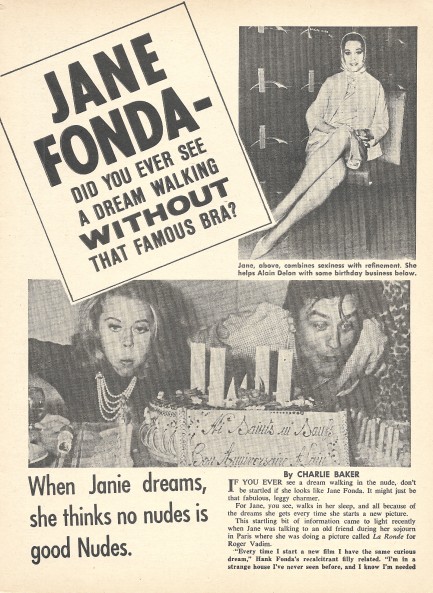
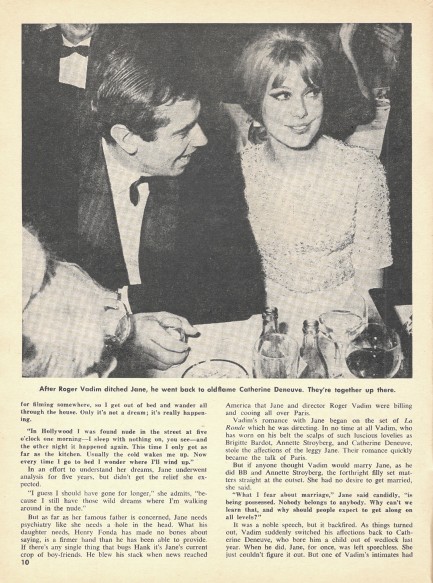
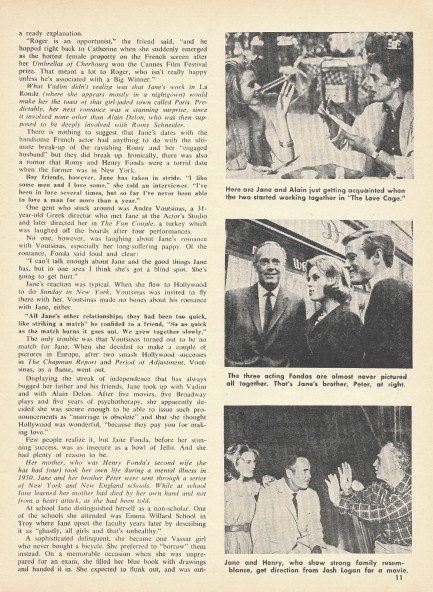
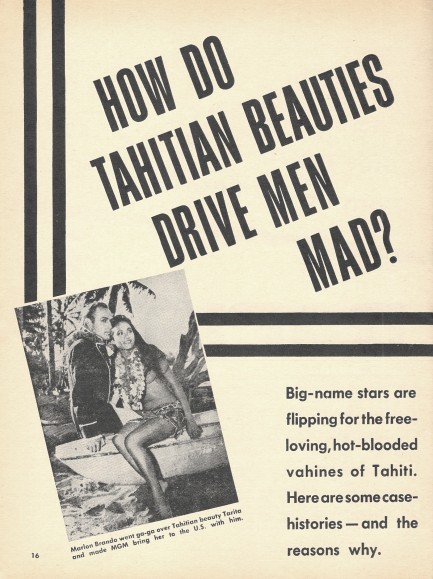
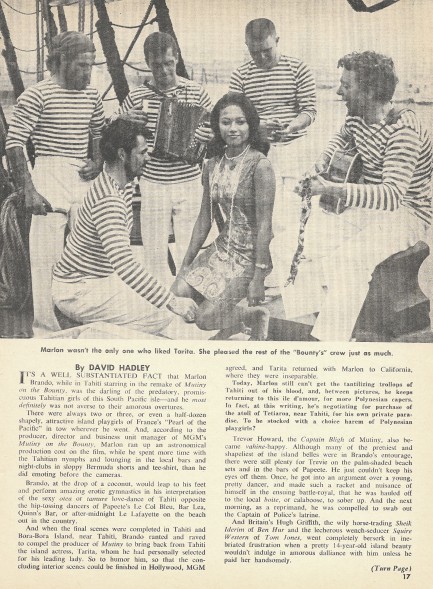
The next article we want to call attention to is, “How Do Tahitian Beauties Drive Men Wild?” Vintage novels that waxed pornographic about the sexual attitudes of Pacific Islanders were almost an official sub-genre, so this story was a must-read for us. And for you too, which can do below. At least mostly. We couldn't upload the entire thing. It's too long, but there's enough to give you the gist. And the gist is simply that Tahitians apparently had no taboos concerning sex, partners, and privacy. The story is framed around alleged trysts with various Hollywood stars, and how Hush-Hush avoided lawsuits from those stars is really a mystery. You'll be entertained. We will say, though, that it's rather unfortunate that the story is couched in insulting terms toward Tahitian women.
As a final note, Hush-Hush used a cheaper printing process and lower quality paper than other publications from the same rank. Those two aspects of the magazine worsened as time passed. By 1965, it was barely a step above the National Informers of the world in terms of technical values. Because of that our scans aren't great. The cheap printing resulted in a scanner moiré pattern on most of the black and white content (though the color came out fine). It's actually fixable in Photoshop or Gimp, so we hear, and we have both programs, but do we want to do all that work for cheap-ass Hush-Hush? We decided we didn't. Therefore, what you see is what you get—twenty-plus scans below.
   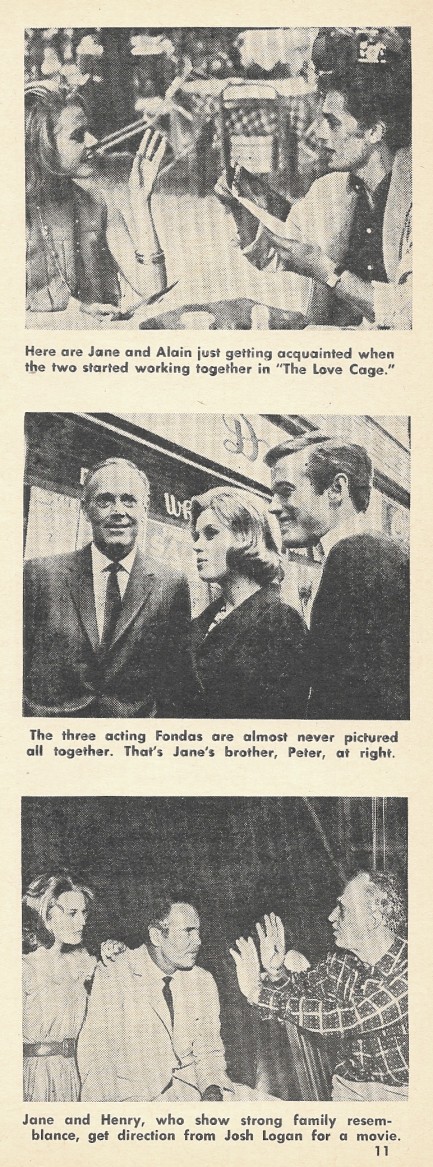 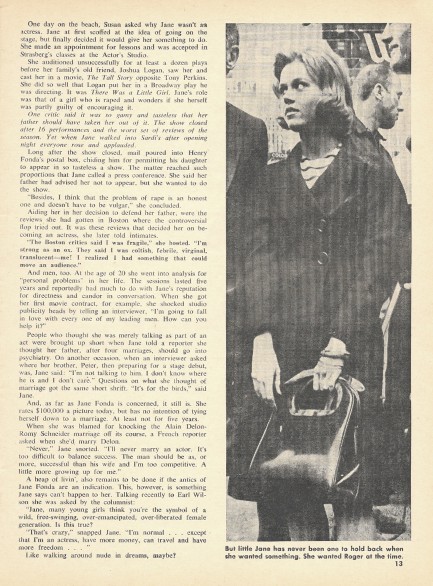 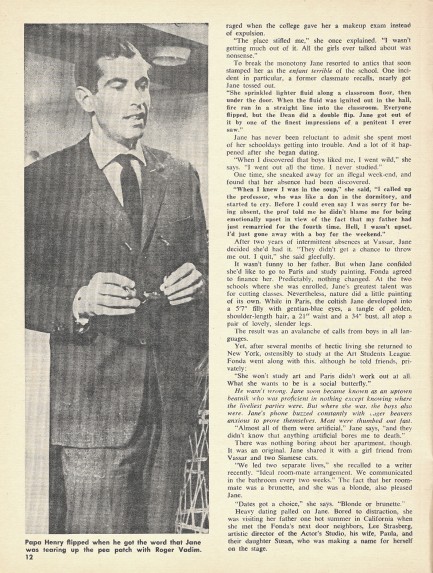        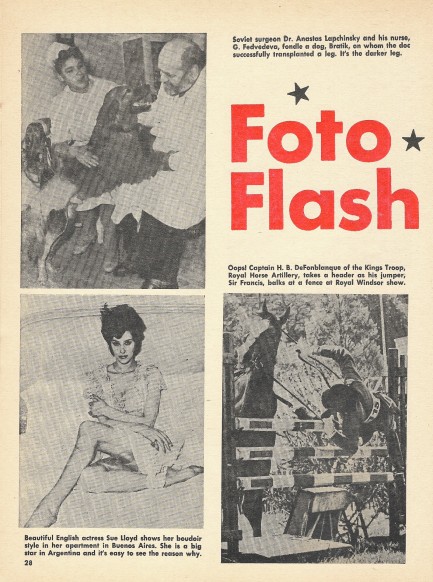 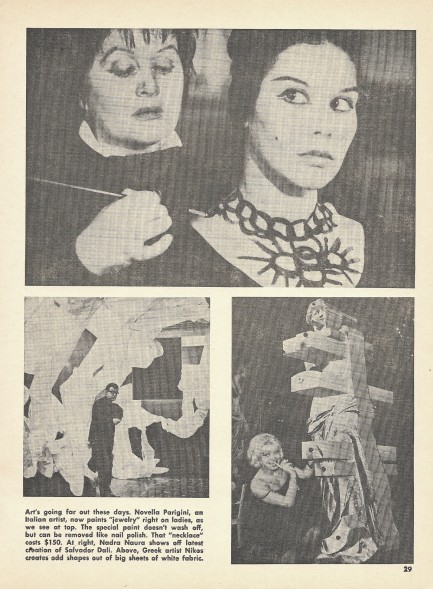 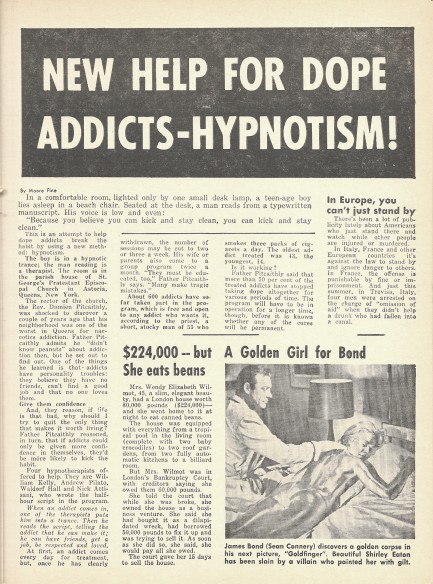       
 Tabloid offers pills, thrills, and various painful aches. 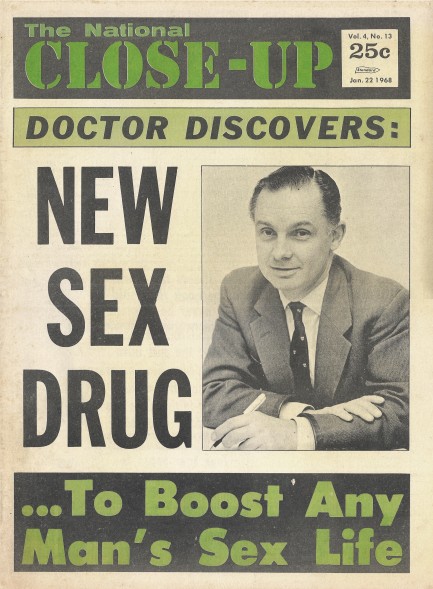 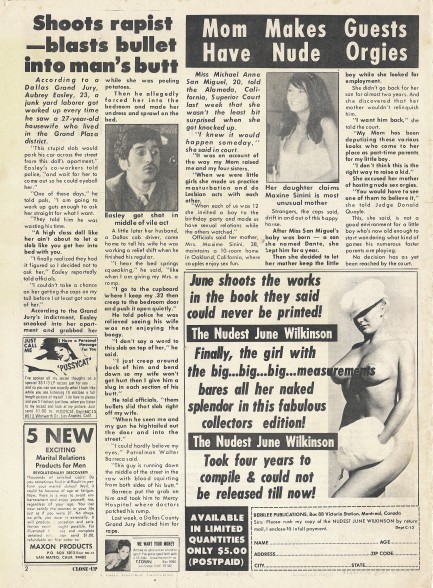 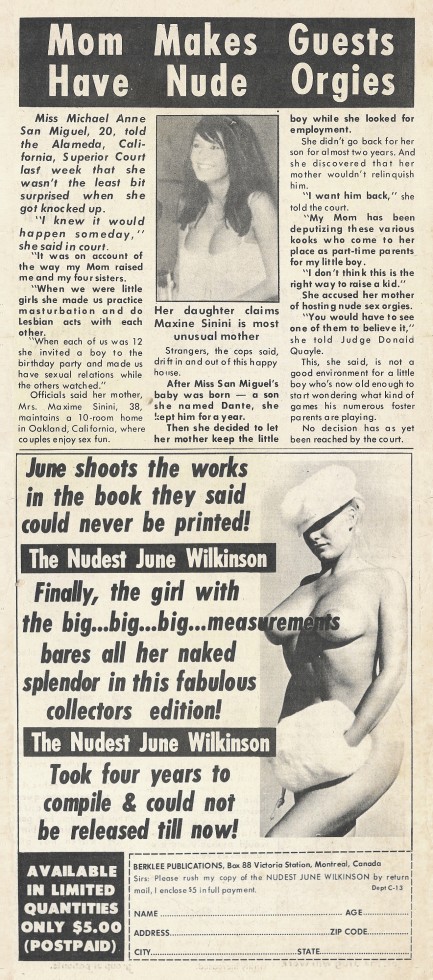 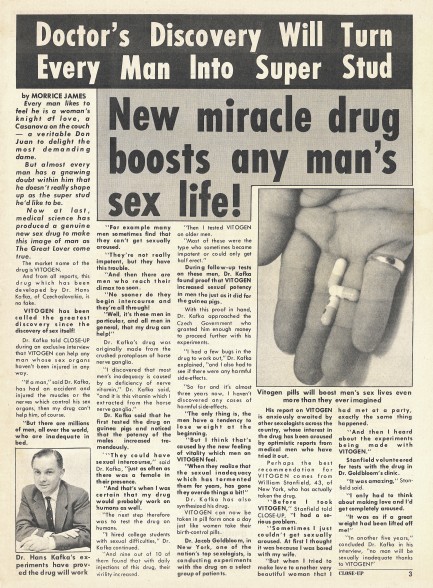 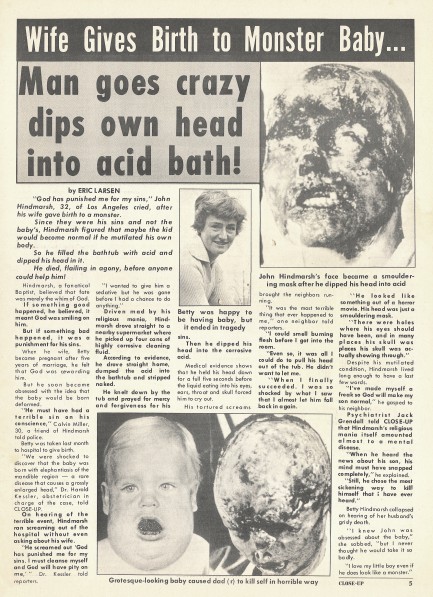 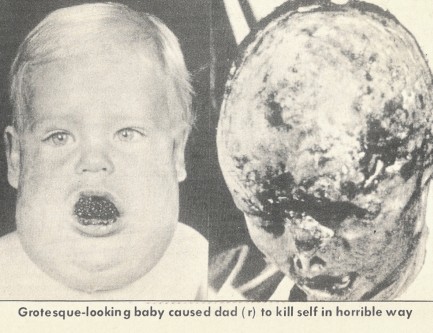 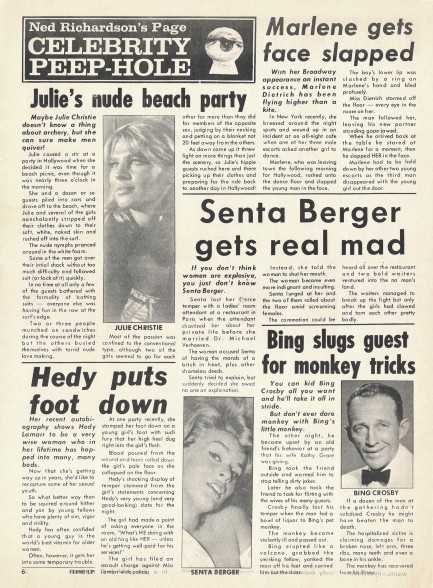 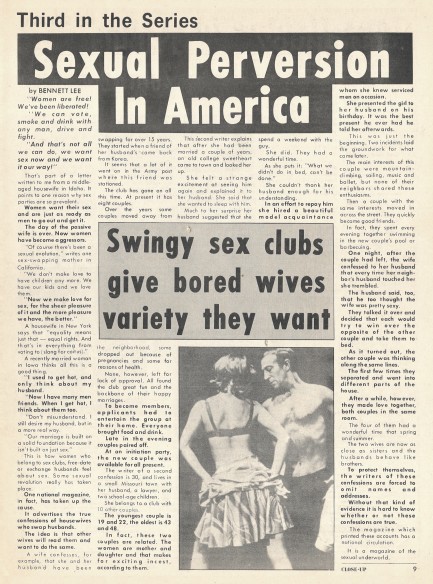 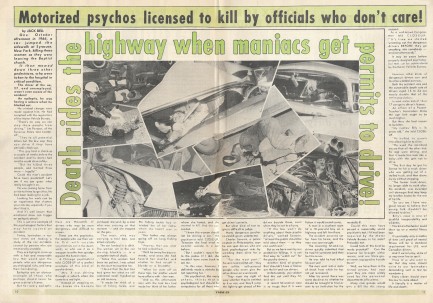 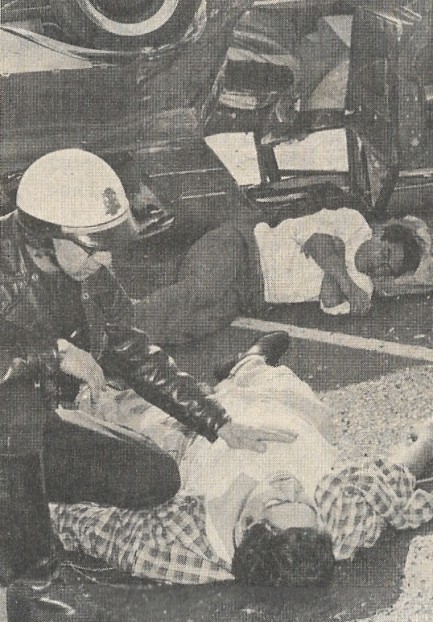 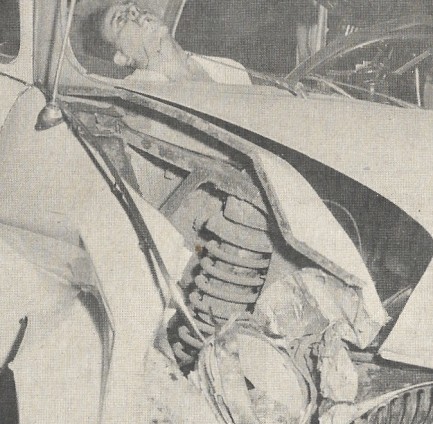 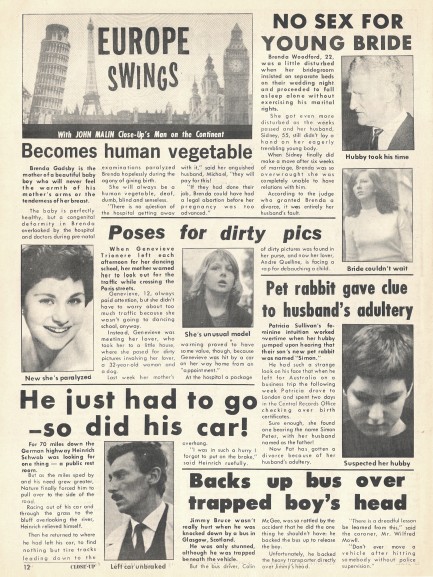 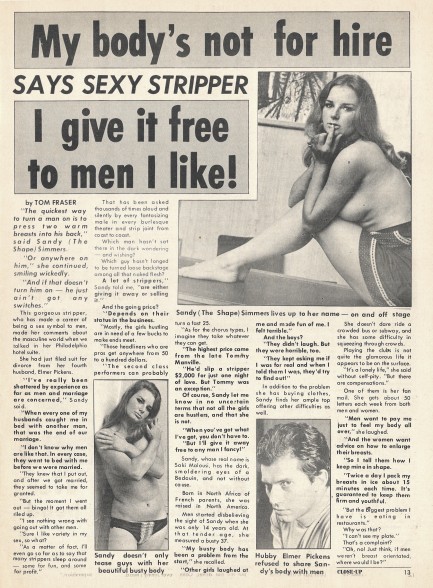 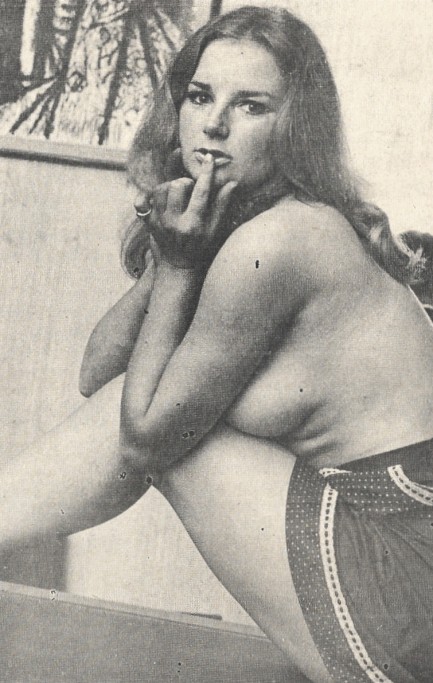 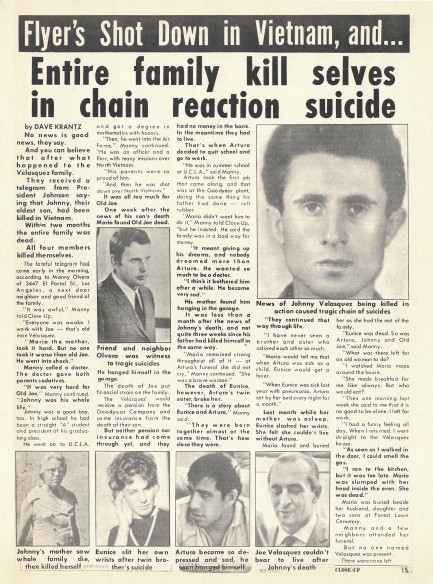 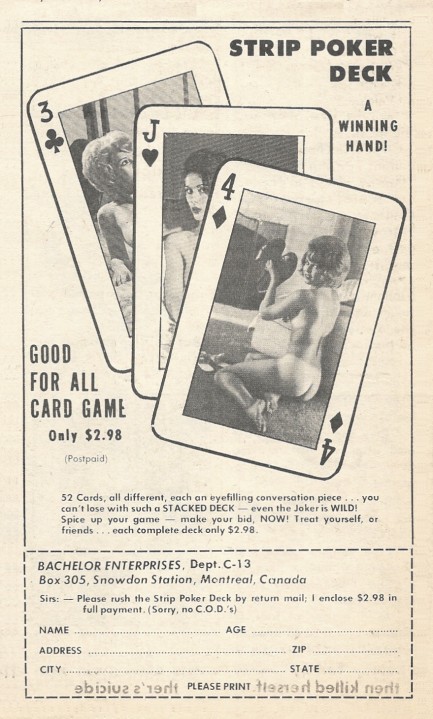 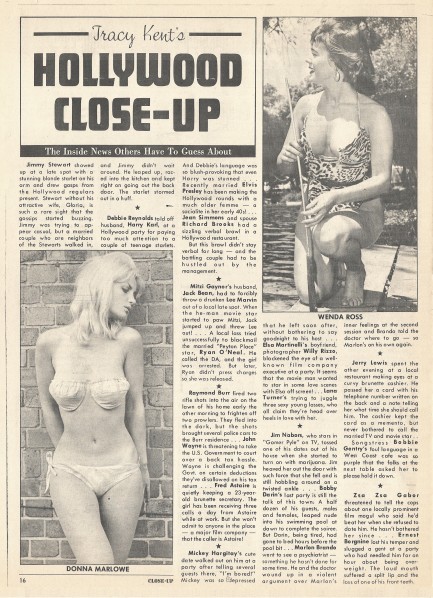 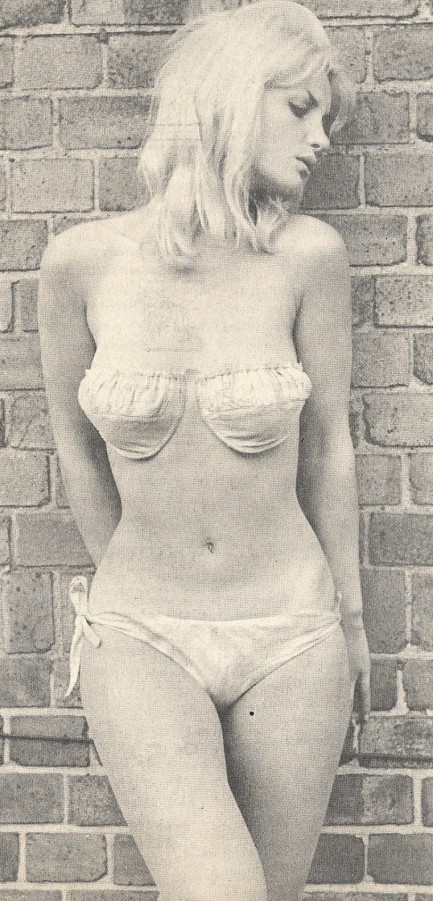 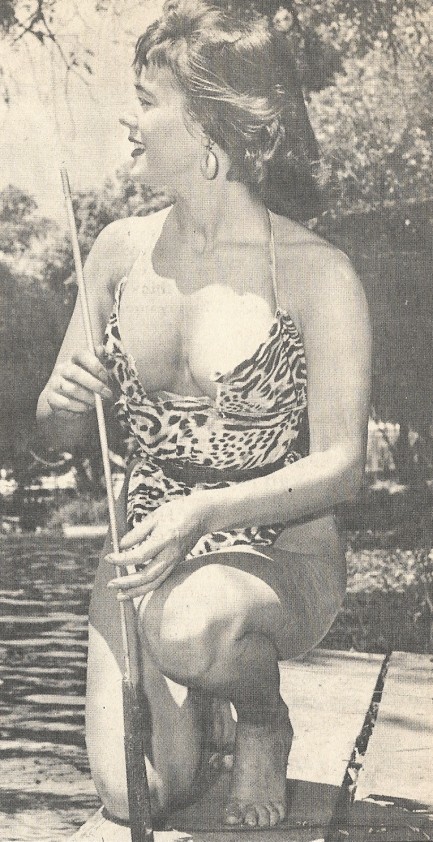 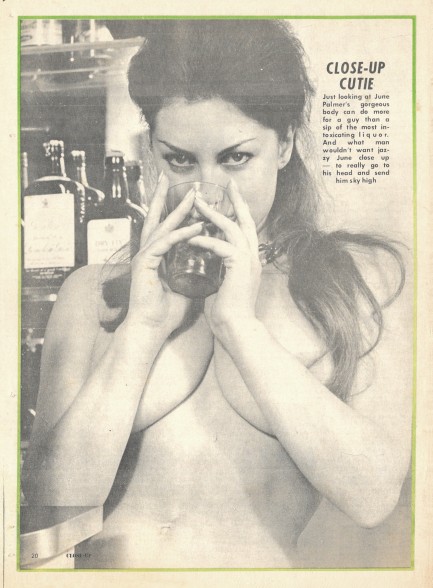
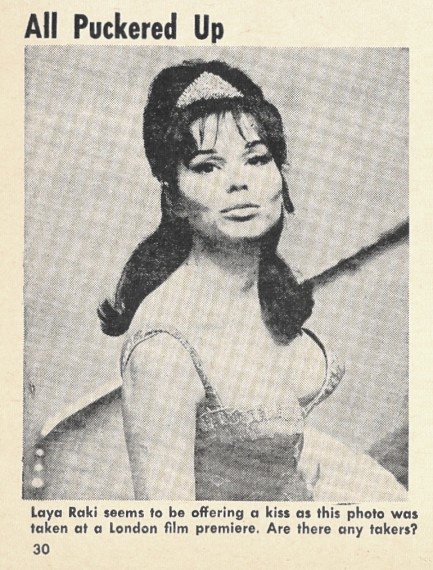
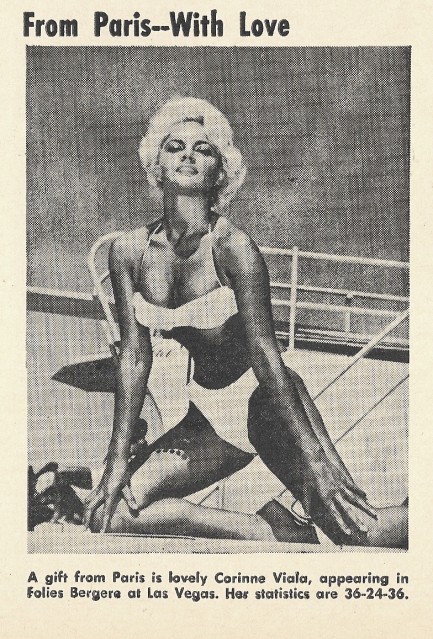
Above: assorted pages from an issue of National Close-Up published today in 1968, with sex pills called vitogen, sexual perversion, sex parties, and sex swingers, then conversely, mass suicides, a monster baby, an acid burn victim, car crash deaths, and all that is terrible and painful in the world. Somewhere between those extremes are celebrities, including Julie Christie, Bing Crosby, Donna Marlowe again (seems she was a tabloid staple in ’68), Playboy centerfold Sue Williams (in the advertisement for strip poker cards), and, just above, the lovely June Palmer.
 It was the Whisper heard from coast to coast. 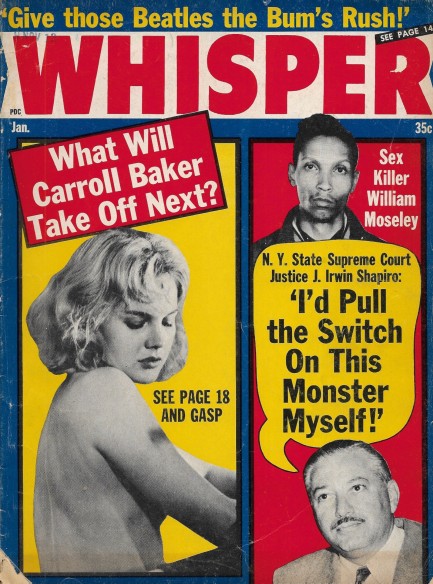
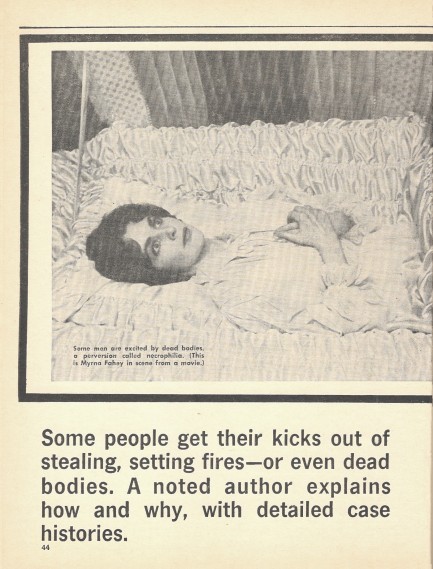
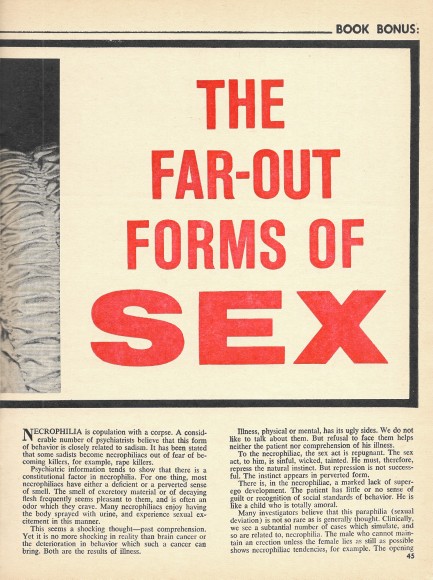
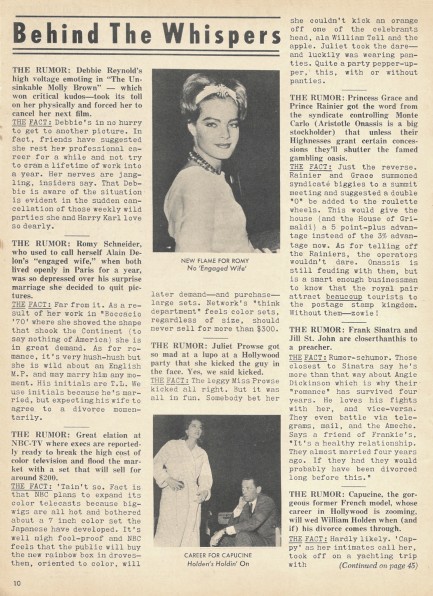
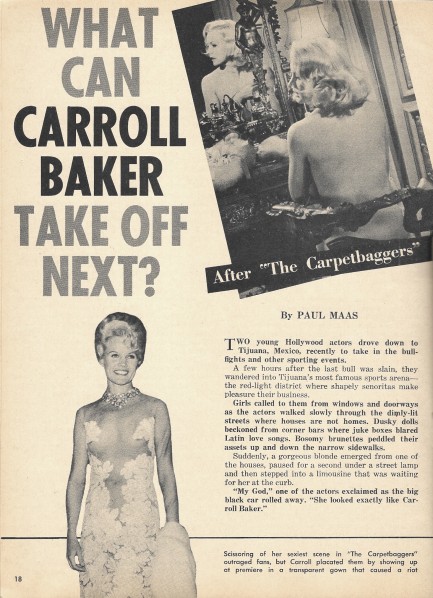
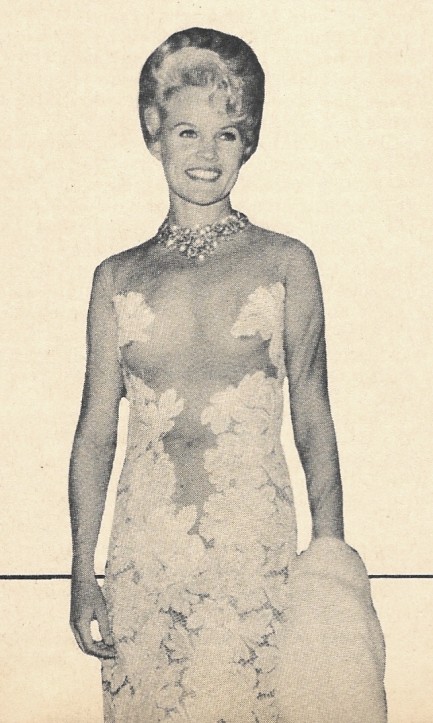
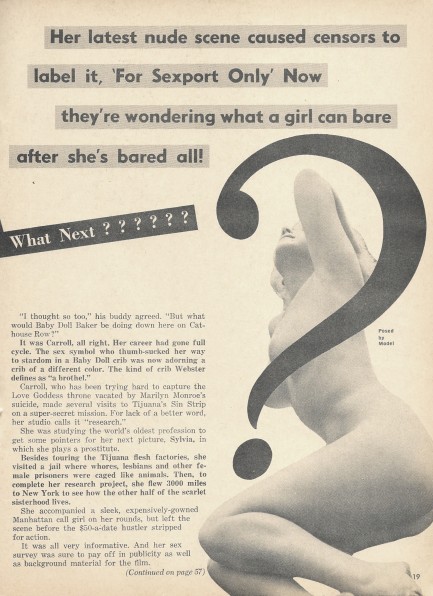
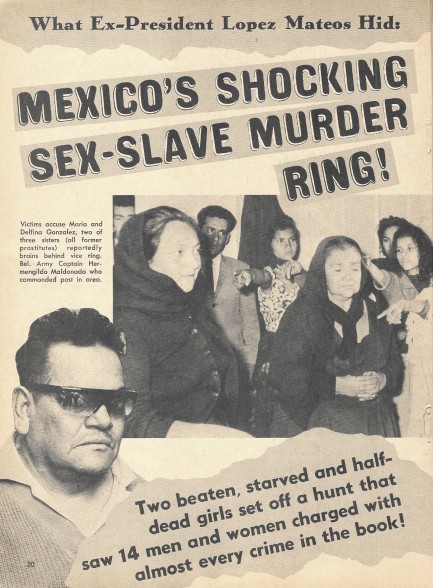
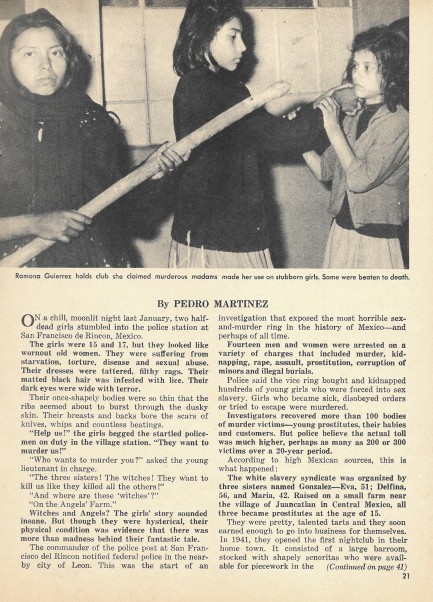
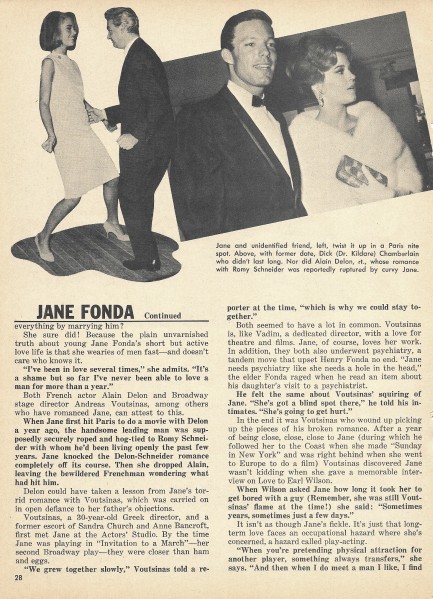
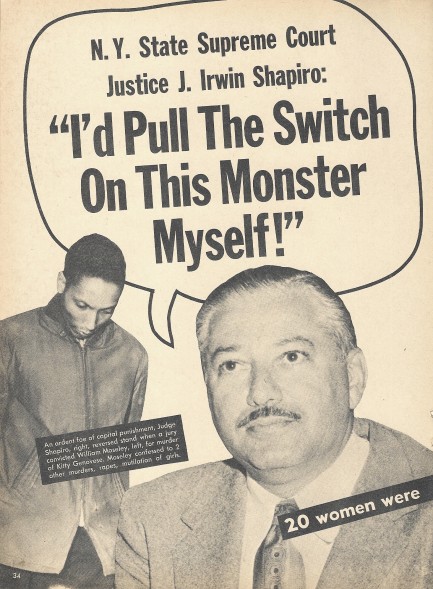
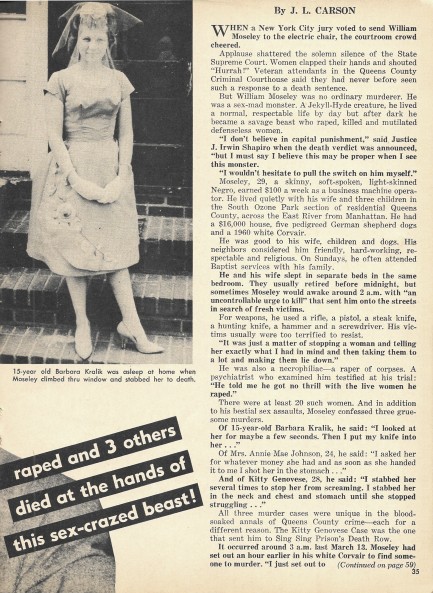
Above is a cover of the tabloid Whisper from January 1965, with actress Carroll Baker, convicted murderer Winston Moseley, and New York judge J. Irwin Shapiro starring on the front. But before we get into the magazine, we want to share the good news that our longtime scanning problems are fixed. We didn't get a new scanner, though. We got a new computer—a Mac Studio with plenty under the hood. It's quicker than the old Mac, but it also changed the functionality of the scanning interface. The whole process runs differently, and is about three times faster now. So you'll be seeing more magazines in the future. Turning back to Whisper, Winston Moseley—who editors call William for some reason—was America's villain of the moment for the murder of Catherine Genovese, who he stalked, stabbed with a hunting knife, then found again where she had taken refuge in a building, and finished her off. Additionally, Moseley was a necrophiliac. He raped his victims—of which there were three total—post-mortem. Of the trio of victims Genovese is the one that's remembered today because her murder sparked a national reckoning about the relationship between citizens and the police, as well as life in big cities, because the press reported that thirty-eight people had seen the crime happening but had done nothing. As it turned out, that number was wildly inaccurate, but never let the truth get in the way of perfectly cooked, juicy tabloid outrage. A quote appeared in nearly every story about the murder: “I didn't want to get involved.” New York City—where the crime occurred—and other metropolitan centers were criticized as uncaring places. Author Harlan Ellison, who at that time was writing urban crime fiction, weighed in, saying, “not one of [the witnesses] made the slightest effort to save her, to scream at the killer, or even to call the police.” Peak outrage was achieved by New York State Supreme Court Justice J. Irwin Shapiro when he expressed a desire to execute Moseley himself. In the end, Moseley wasn't executed at all. He died in prison in 2016 at age eighty-one.
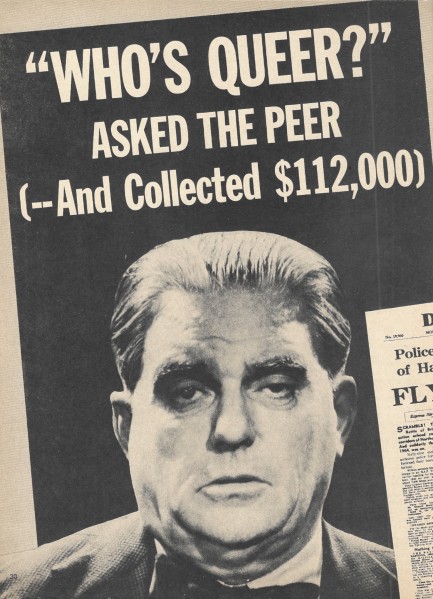
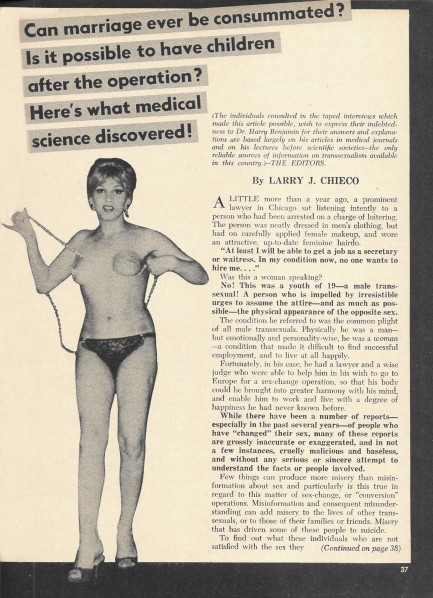
Elsewhere in Whisper, you'll notice that the magazine is—unsurprisingly, given the time period and nature of the publication—antagonistic toward gay men, as demonstrated by the panel with the blaring text: “Who's Queer Asked the Peer?” But what is a surprise is that later in the issue the editors run a detailed piece on transvestites and transsexuals, and the approach is very different than the contempt shown toward homosexuality. As we've pointed out many times before, mid-century tabloids had a deep interest in trans issues. The story is titled, “A Doctor Answers What Everyone Wants To Know About Sex Change Operations.” The tone is as follows:
The condition he referred to was the common plight of all male transsexuals. Physically he was a man, but emotionally and personality-wise he was a woman, a condition that made it difficult to find successful employment, and to live at all happily. Fortunately, in his case, he had a lawyer and a wise judge who were able to help him in his wish to go to Europe for a sex change operation so that his body could be brought into greater harmony with his mind, and enable him to work and live with a degree of happiness he had never known before.
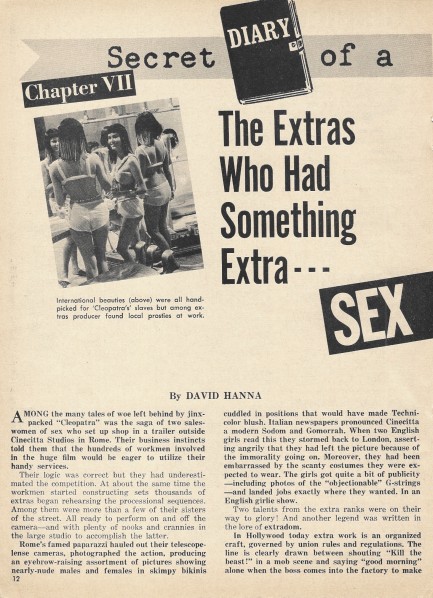
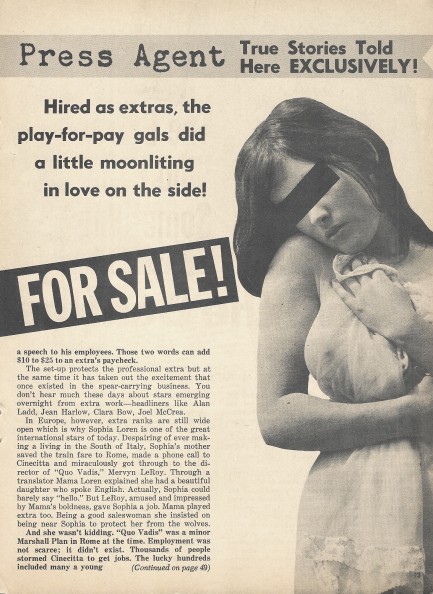
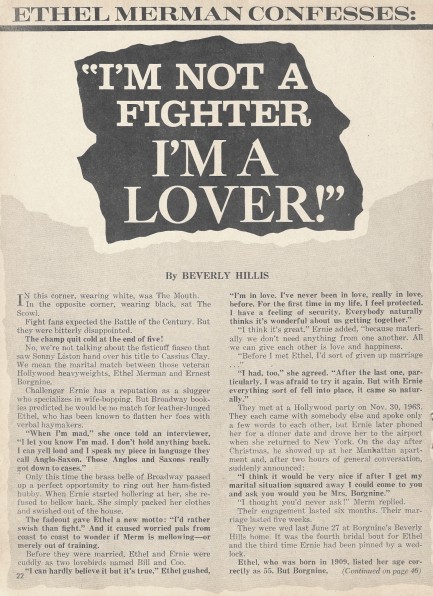
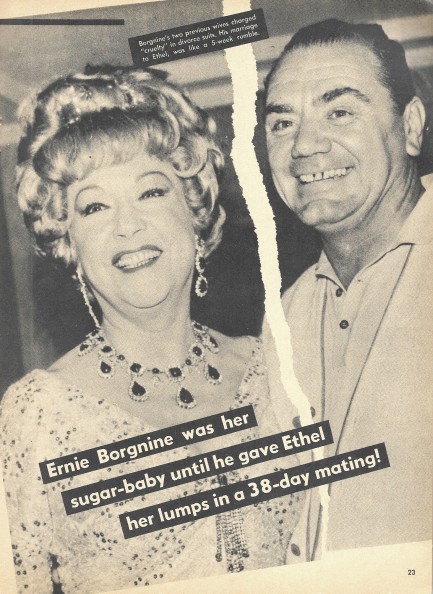
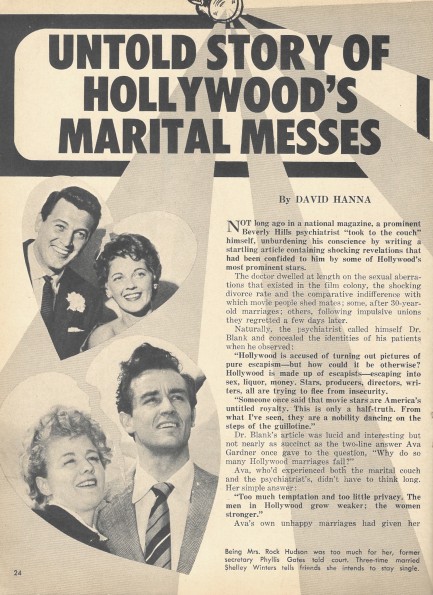
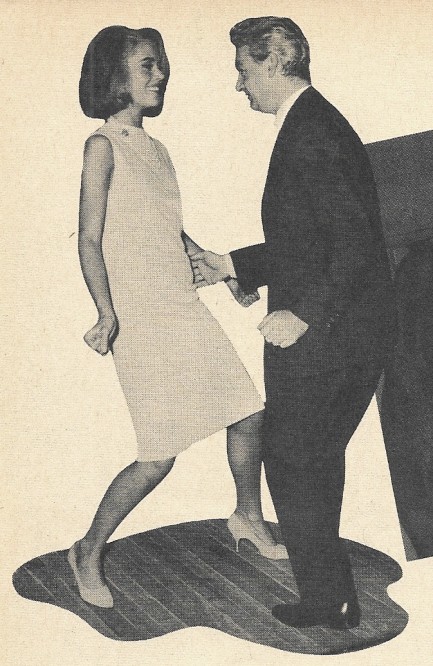
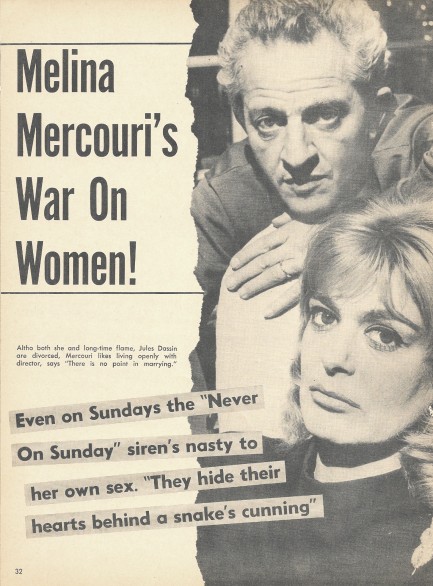
That's respectful—if not even compassionate—for a 1965 publication considered lowbrow by sophisticated readers. Is it a paradox that the magazine could be so evil toward gay men, yet so civil toward transsexuals? We think so, and we'd love to know the thought process behind it. While we're puzzling that out, you may want to move on to Whisper's slate of celebrity news. Everyone from Romy Schneider to Ernest Borgnine get their due exposure. We've uploaded the magazine's “Behind the Whispers” feature, so you can get the dish on a few Hollywood stars. Please enjoy.
             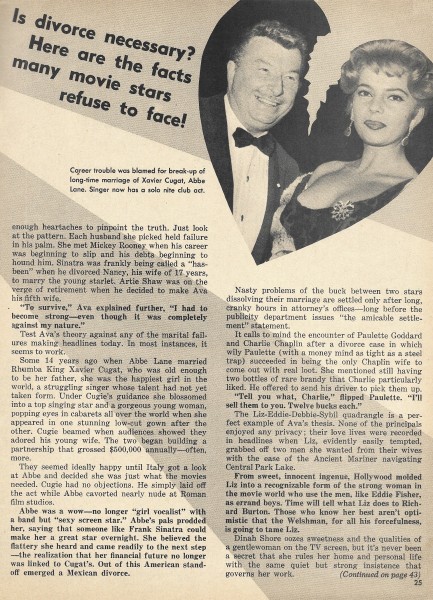 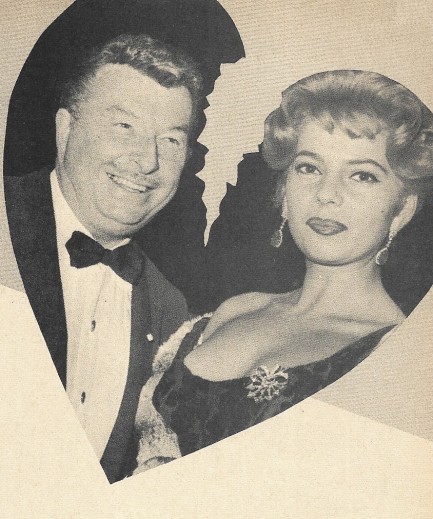 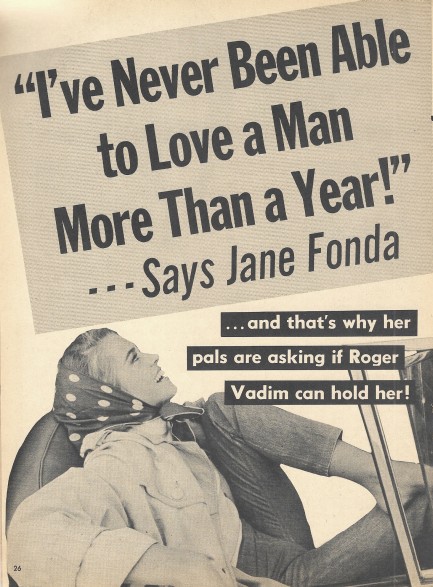 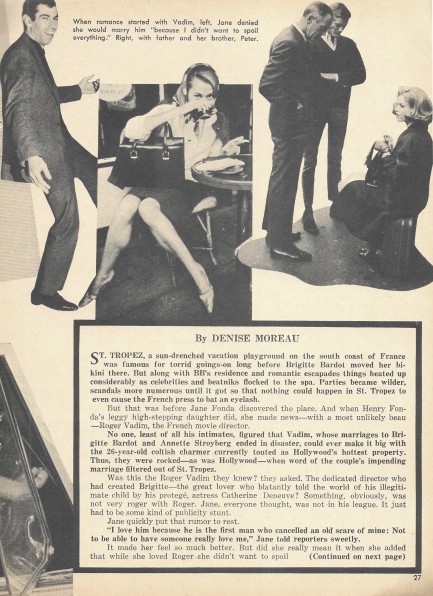          

|
 |
The headlines that mattered yesteryear.
1945—Mussolini Is Arrested
Italian dictator Benito Mussolini, his mistress Clara Petacci, and fifteen supporters are arrested by Italian partisans in Dongo, Italy while attempting to escape the region in the wake of the collapse of Mussolini's fascist government. The next day, Mussolini and his mistress are both executed, along with most of the members of their group. Their bodies are then trucked to Milan where they are hung upside down on meathooks from the roof of a gas station, then spat upon and stoned until they are unrecognizable. 1933—The Gestapo Is Formed
The Geheime Staatspolizei, aka Gestapo, the official secret police force of Nazi Germany, is established. It begins under the administration of SS leader Heinrich Himmler in his position as Chief of German Police, but by 1939 is administered by the Reichssicherheitshauptamt, or Reich Main Security Office, and is a feared entity in every corner of Germany and beyond. 1937—Guernica Is Bombed
In Spain during the Spanish Civil War, the Basque town of Guernica is bombed by the German Luftwaffe, resulting in widespread destruction and casualties. The Basque government reports 1,654 people killed, while later research suggests far fewer deaths, but regardless, Guernica is viewed as an example of terror bombing and other countries learn that Nazi Germany is committed to that tactic. The bombing also becomes inspiration for Pablo Picasso, resulting in a protest painting that is not only his most famous work, but one the most important pieces of art ever produced. 1939—Batman Debuts
In Detective Comics #27, DC Comics publishes its second major superhero, Batman, who becomes one of the most popular comic book characters of all time, and then a popular camp television series starring Adam West, and lastly a multi-million dollar movie franchise starring Michael Keaton, then George Clooney, and finally Christian Bale. 1953—Crick and Watson Publish DNA Results
British scientists James D Watson and Francis Crick publish an article detailing their discovery of the existence and structure of deoxyribonucleic acid, or DNA, in Nature magazine. Their findings answer one of the oldest and most fundamental questions of biology, that of how living things reproduce themselves.
|

|
|
It's easy. We have an uploader that makes it a snap. Use it to submit your art, text, header, and subhead. Your post can be funny, serious, or anything in between, as long as it's vintage pulp. You'll get a byline and experience the fleeting pride of free authorship. We'll edit your post for typos, but the rest is up to you. Click here to give us your best shot.
|
|