| Vintage Pulp | Apr 26 2024 |

Every top notch private investigator knows the best clues are found in bed.
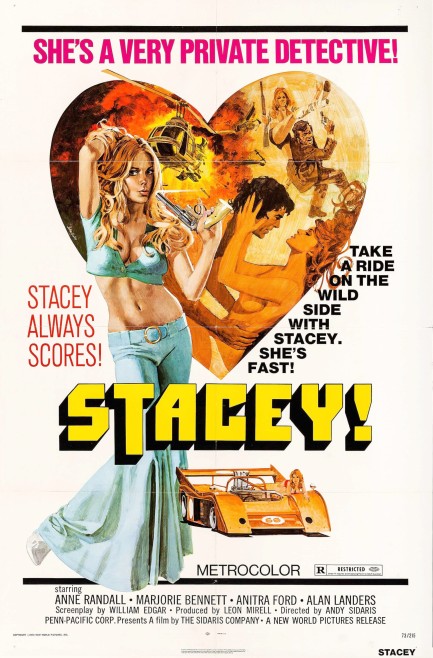
We wanted to show you another poster painted by John Solie, who was responsible for numerous blaxploitation, sexploitation, and action promos, all executed at the extremely high level you see here with his one sheet for Stacey. His other notable efforts include those for The Arena, Star Crash, Hit Man, and Hollywood Boulevard. You can click his keywords at bottom to see everything we've shared from him.
Naturally we watched Stacey and it's a cheesy detective tale starring erstwhile Playboy centerfold Anne Randall, who plays a model-turned-private dick hired to investigate a rich woman's extended family before any of them are allowed to be included in her will. Randall arrives just in time for intrigue and murder. Private investigators need to possess a Class C license in order to legally take on clients. The C on Randall's license probably stands for “casual sex.”
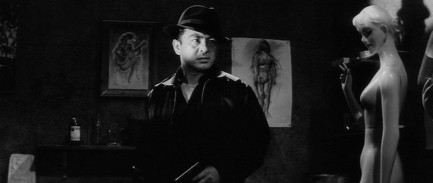
Even so, there's not much here. The detective elements are uninspiring despite a noir style voiceover, and the sexual elements, even with Randall and co-star Anitra Ford in occasional undress, are not going to blow your skirt up. To put the overall nothingness of the movie in perspective, consider the fact that we couldn't find a copy with sharp enough resolution to make screenshots worthwhile, nor enough official production photos to make them worth sharing. That's how much of a historical afterthought it is.
In lieu of imagery you could use your imagination, but we recommend not bothering. Stacey resides at the low end of grindhouse cinema characterized by numerous bold and outrageous entries. In our opinion it's notable only for being the first exploitation effort by director Andy Sidaris, who would go on to helm boobalicious ’80s throwaways such as Malibu Express, Hard Ticket to Hawaii, and Savage Beach. Stacey premiered in the U.S. this month in 1973.

StaceyMalibu ExpressHard Ticket to HawaiiSavage BeachPlayboyAnne RandallAlan LandersJames WestmorelandCristina RainesAnitra FordMiki GarciaJohn SolieAndy Sidarisposter artcinemamovie review


| Vintage Pulp | Apr 23 2024 |

We recommend that you keep your distance—from the movie.
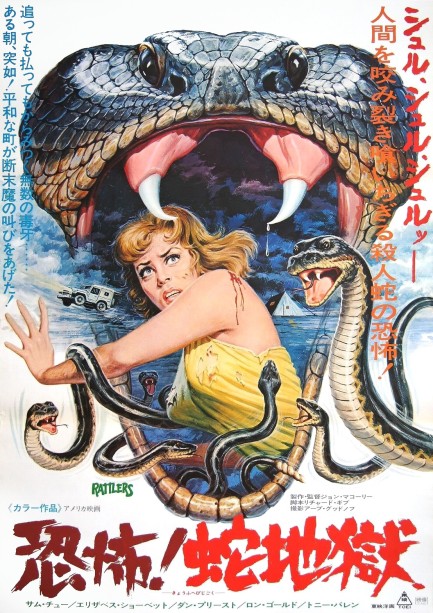
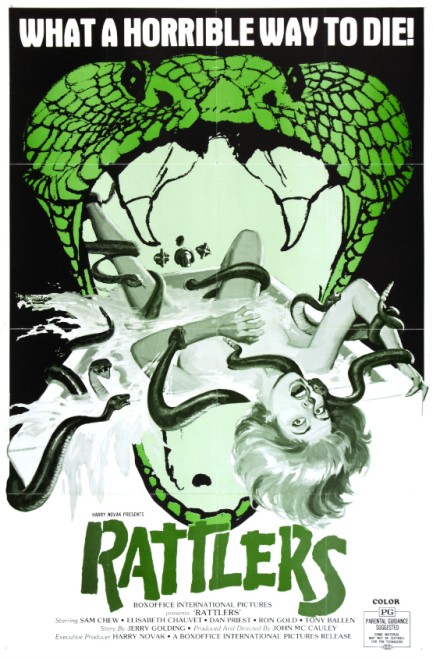 Japanese posters for U.S. film productions are sometimes so good we forget that the movies might not be. Case in point: the above poster was painted by the famed Japanese artist Seito, who was behind promos for films like Star Wars and Flesh Gordon. He produced this for the horror movie Rattlers, which premiered in the U.S. today in 1976 and reached Japan on an indeterminate date sometime afterward. The Japanese title is to the point:恐怖!蛇地獄means “Horror! Snake Hell.” The movie is its own special hell. It's about a bunch of rattlesnakes that run wild, and it's sssssssssssssssso bad. University of California herpetologist Sam Chew figures out how to deal with the offending reptiles, with the help of intrepid reporter Elisabet Chauvet, but nobody figured out how to deal with a bad script, a weak director, and a zero-charisma lead. You can let this one slide.
| Vintage Pulp | Apr 19 2024 |

When there's a killer on the loose you'd better sleep with one eye open.
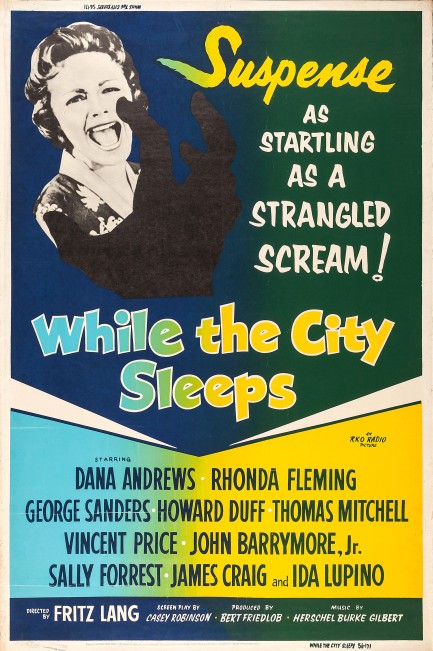
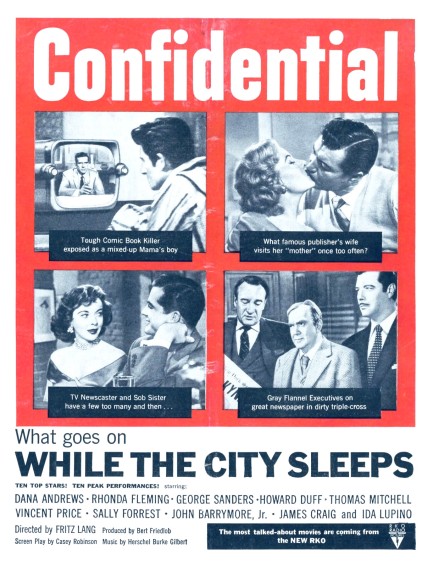
This poster for While the City Sleeps doesn't impress with masterly art the way so many vintage promos do, but its simplicity is, in an oblique sort of way, we think, meant to echo tabloid covers from the era. RKO made a special poster in collaboration with Confidential magazine, which you'll see below. The movie's plot is pure tabloid fodder. A serial killer has slain women in New York City, leaving the cryptic message “Ask mother,” written on the walls of one murder scene. Vincent Price, owner of Kyne News Service, part of a media empire comprising ten newspapers, a wire service, and other interests, offers the position of executive director to three employees in order to draw them into cutthroat competition with each other. Soon it becomes clear that finding the identity of the “lipstick killer” is the winning move. Intrigue and subterfuge take over the office. Everyone gets involved, from senior editors to stringers to gossip columnist Ida Lupino, but the killer is too clever to be caught.
At least until intrepid Pulitzer Prize winning television reporter Dana Andrews airs a scornful and taunting broadcast, deliberately setting up his own fiancée as bait. He doesn't even ask her permission. Well, he does, but only after arranging to publish their engagement announcement in the New York Sentinel right next to a story about the killer. Reckless? Yes. Presumptuous? For sure. There are intertwined plotlines here, but Andrews using his true love as a lure was the most interesting aspect for us. He isn't the only heel on display. The movie is ostensibly about a serial killer, but is really a framework for exposing backbiting and cynical ambition in the big city. Director Fritz Lang, in what was his penultimate U.S. film, explores the cruel banality of what, these days, some call “hustle culture,” and brings the production to a conclusion that's, in the words of Thomas Mitchell's character, “Neat, but nasty.” Our words are: a mandatory watch. While the City Sleeps had a special world premiere today in 1956.
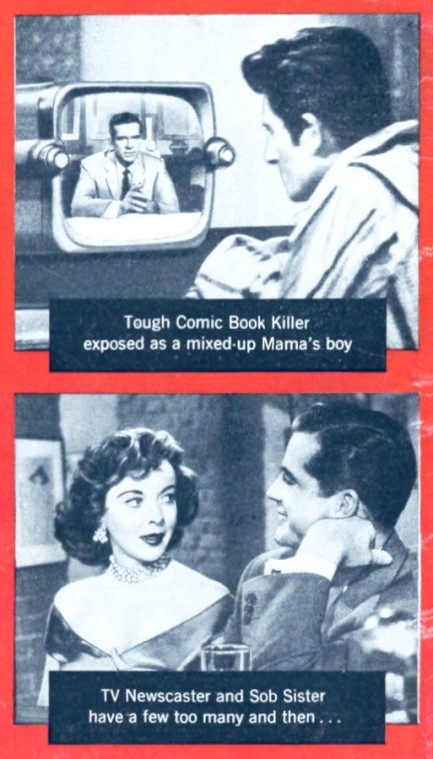
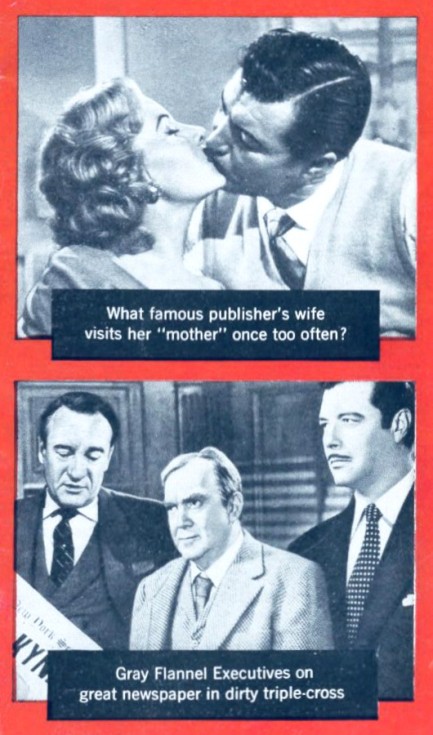
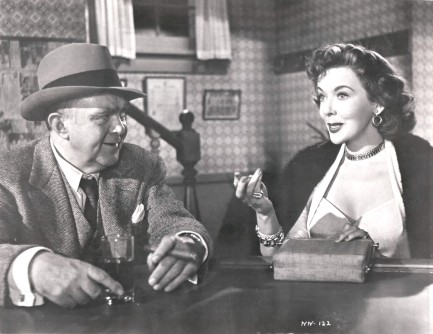
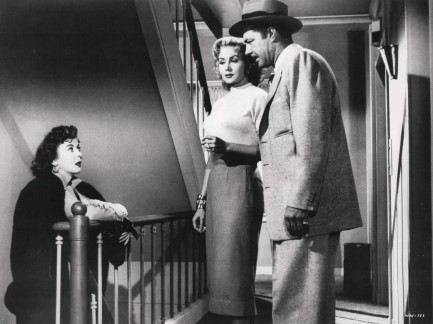

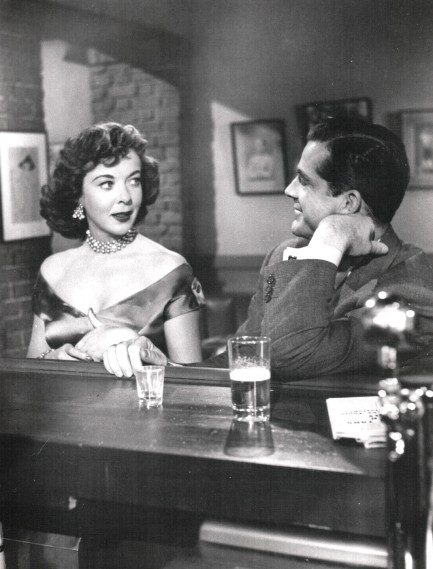
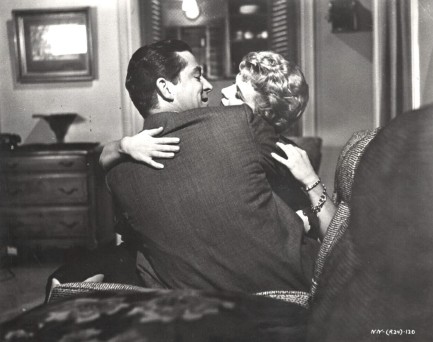
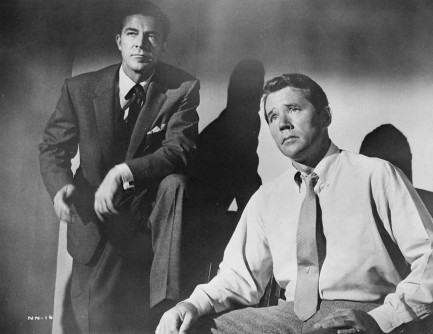
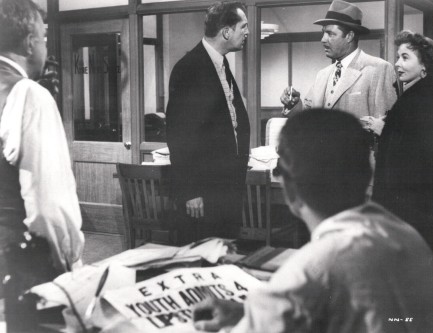
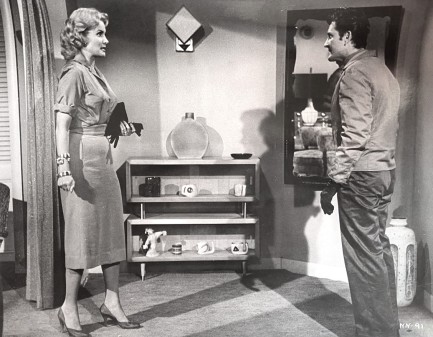
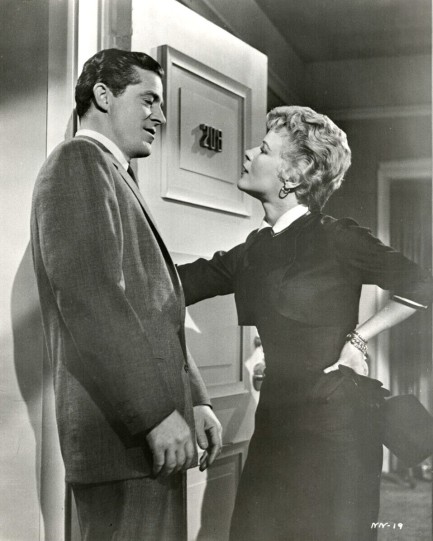
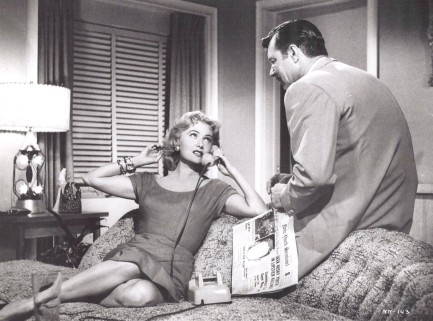
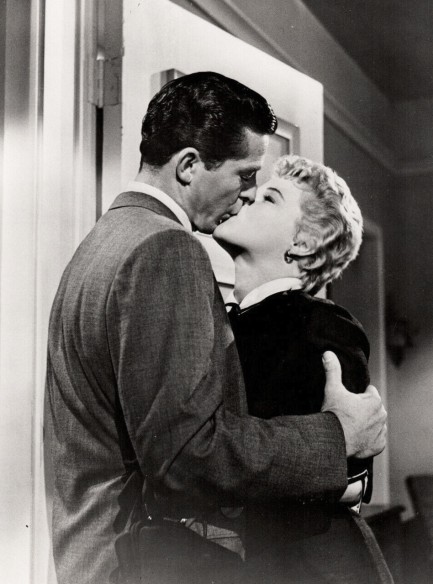
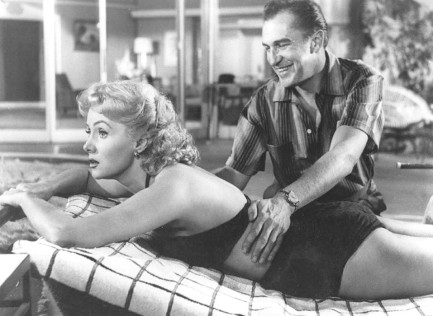
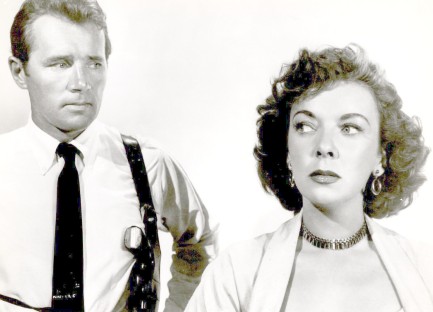
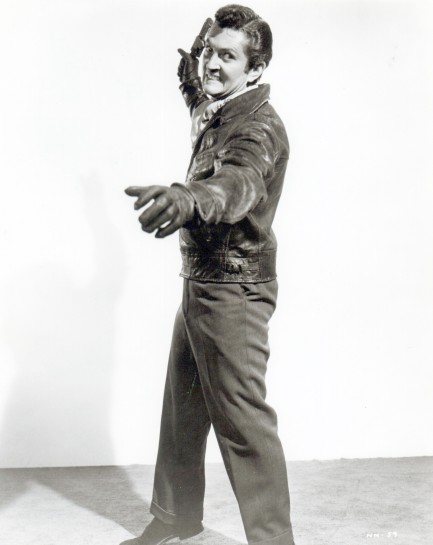 Edit: Vintage movies are excellent windows into bygone customs and practices. There's a great moment in this one. Rhonda Fleming and James Craig are chatting in her apartment late one night when the doorbell unexpectedly buzzes. They look at each other confused for a second, then Fleming says, “It's probably the drugstore. That was the last bottle of Scotch.”
You know, there were a lot of things wrong with the mid-century era. But there were a few things right too. Getting the all-night drugstore to deliver booze has to be one of the most right things we've ever heard of, so we give thanks to While the City Drinks—er Sleeps—for clueing us in, and suggest you call your congressional rep immediately and ask for a law allowing pharmacies to deliver alcohol. If not for yourself, do it for the children.
New York CityRKO Radio PicturesConfidentialWhile the City SleepsDana AndrewsRhonda FlemingGeorge SandersHoward DuffVincent PriceJohn Barrymore Jr.Ida LupinoSally ForrestFritz Langposter artcinematabloidmovie review

| Vintage Pulp | Apr 16 2024 |

No appeal, no parole, no mercy, no hope.
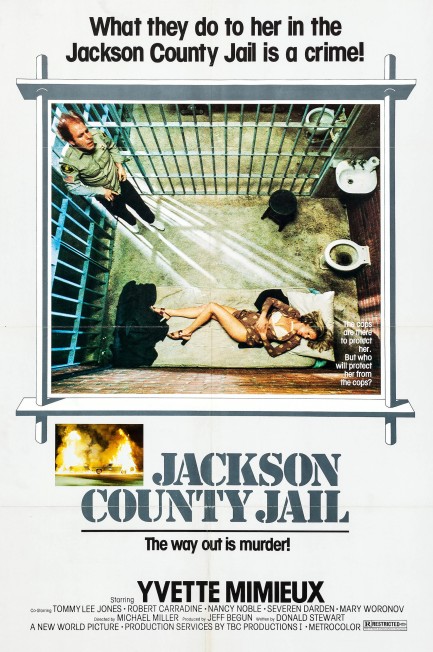
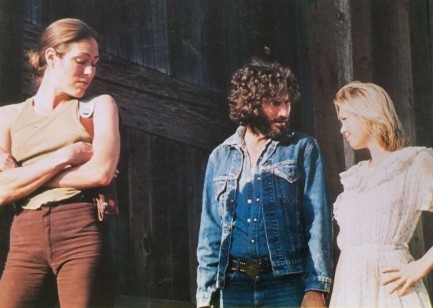
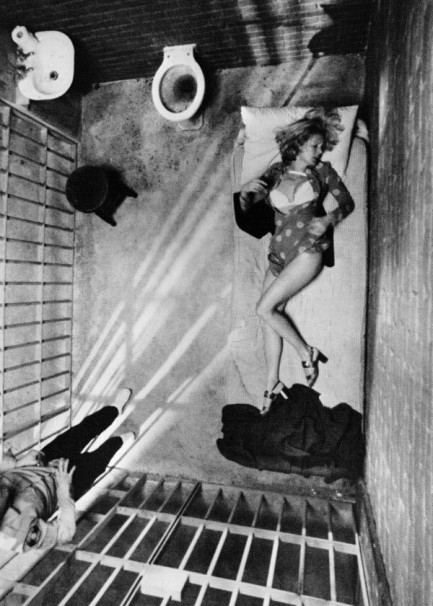
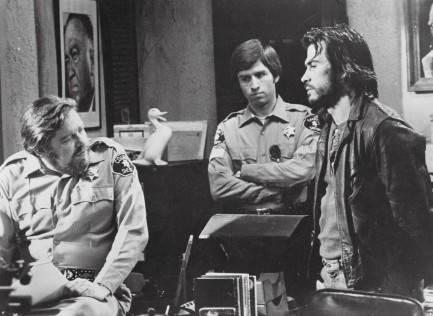
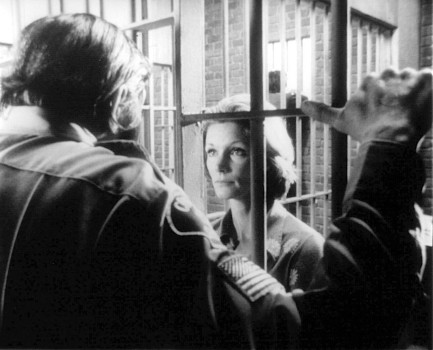
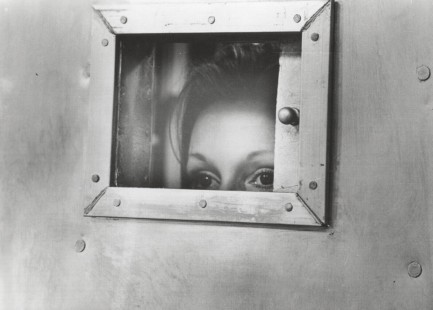
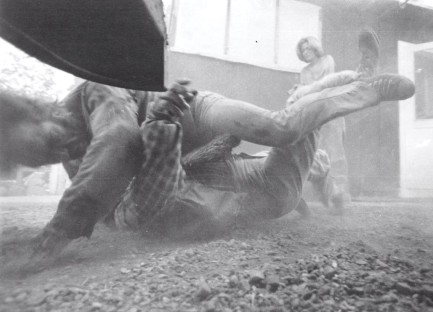
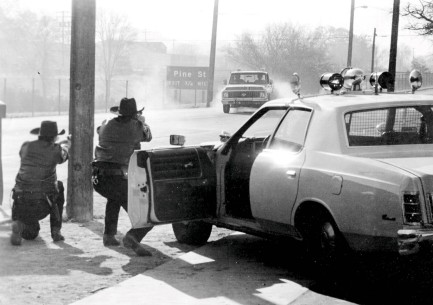
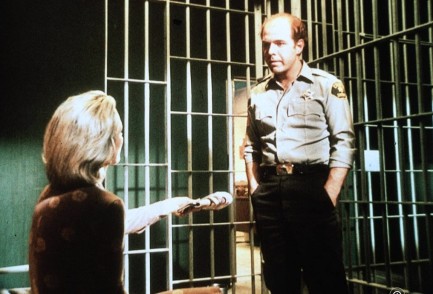
Today we continue our journey through ’70s exploitation cinema with Jackson County Jail, churned out of the grindhouse factory known as New World Pictures. Plotwise, Yvette Mimieux plays a Los Angeles advertising exec who leaves her cheating husband and finds herself at loose ends, but manages to score a job from a friend in New York City. She decides to get there by driving cross country, but passes through fictional Jackson County, located somewhere in or around Texas (a geographical fact we learn from a news broadcast that provides a Dallas Cowboys update). She's railroaded into jail and raped by the cop working the graveyard shift. Afterward, Mimieux manages to brain him with a stool and escapes with the help of hardened criminal Tommy Lee Jones, who early in his acting career (and with that monobrow of his) was already capable of making lines like this sing: “There's nothing wrong with being a crook. Everybody's crooked. I never met a straight person in my whole life. Whole goddamn country is a rip-off. And everybody in it.”
Jackson County Jail is sometimes labeled a women-in-prison flick, but it's a bit different for a generally low rent sub-genre because Mimieux was an established star, thirty-four years old with more than twenty movies behind her. The credibility she lends the film changes little about its basic purpose—titillation mixed with violence and an indictment of hick culture. Simultaneously, though, the filmmakers definitely don't go to the extremes of other women-in-prison dramas, in which we've seen women hung up by their hair. There are some viewers, we suspect, who wouldn't consider this movie a women-in-prison flick at all. We're fine leaving it out of the conversation too. The jailbound portion lasts barely twenty minutes of what is perhaps more of an outlaw movie, complete with Jones letting fly with this response to being told the police will kill him: “That don't matter. I was born dead.” Whether women-in-prison, outlaw, or counterculture, that's a damned good line. And Jackson County Jail is a pretty good movie. It premiered today in 1976



TexasNew World PicturesJackson County JailYvette MimieuxTommy Lee JonesCliff EmmichHoward HessemanRoger CormanGene Cormanwomen in prisonposter artcinemamovie review

| Vintage Pulp | Apr 9 2024 |

Vince waxes philosophical and discovers the secret of life—death.

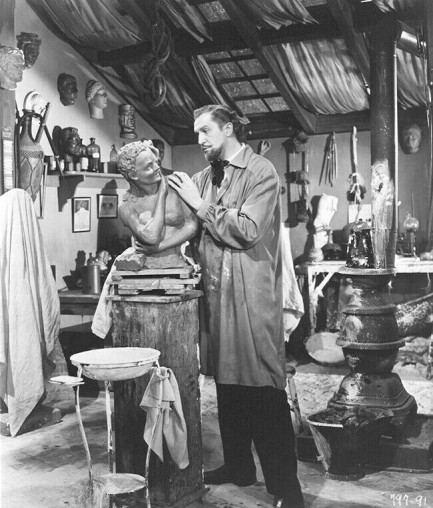
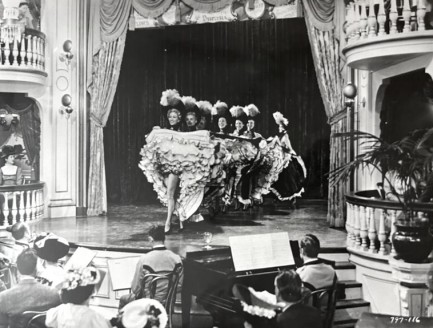
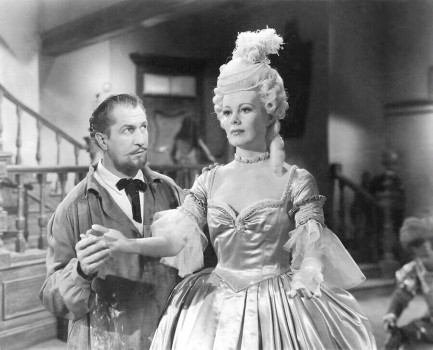
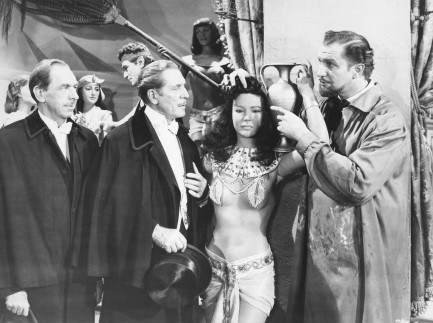
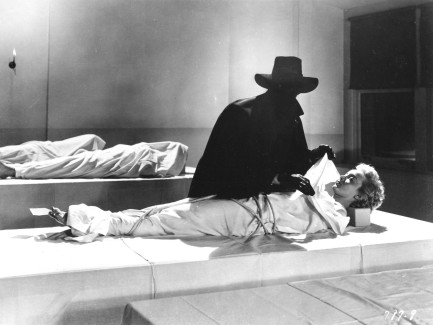
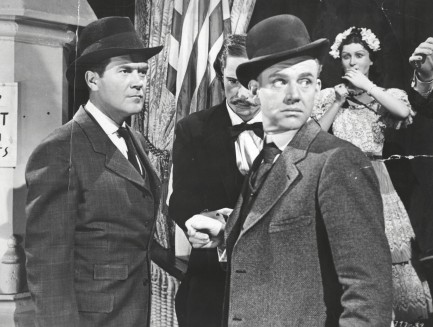
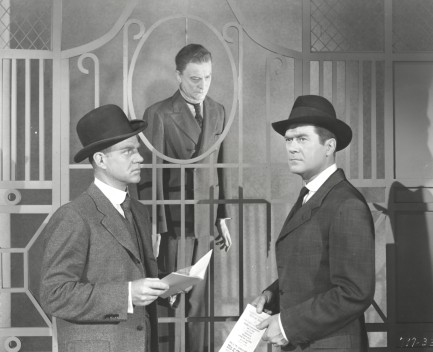
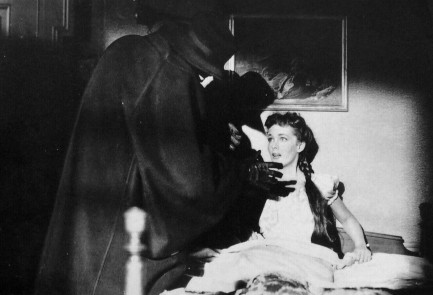
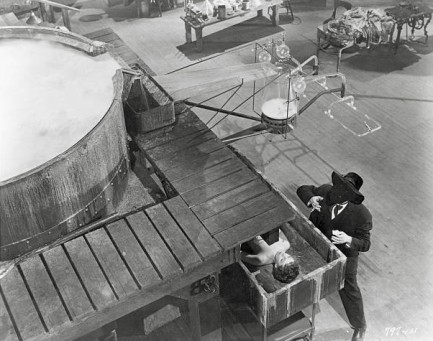
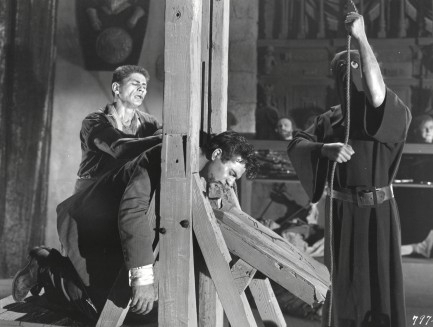
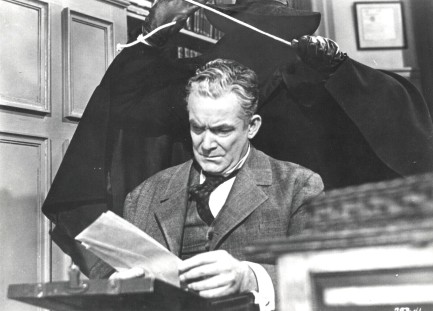
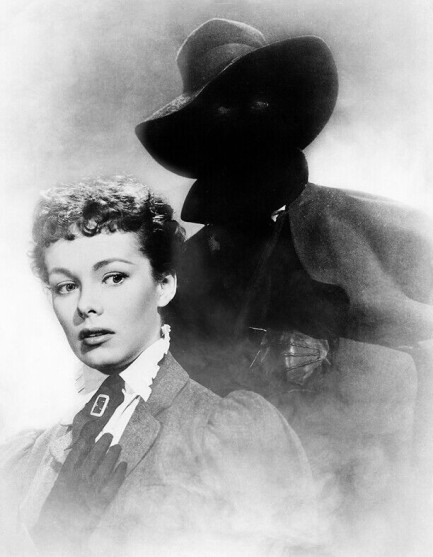
House of Wax, which was produced by Warner Brothers and premiered today in 1953, was the first 3D production by any major studio. It's a period piece set in Victorian New York City starring Vincent Price as the creator and half owner of a historical wax museum. Unfortunately, his focus on history leaves the public nonplussed, and his partner Roy Roberts, who needs capital, sets the place aflame for the insurance money. Price is burned and driven insane. Well, actually he was insane before the fire, but in a cute way. He talked to his wax figures and thought they talked back.
But after the fire he's a barking psychopath, running around nighttime Gotham behatted and cloaked like Lamont Cranston. His goal? Revenge, of course, a craving solved early in the proceedings when he pitches Roberts down an elevator shaft with a rope around his neck. But what next? What does one do once vengeance is thine? Well, you build a new wax museum, except this time you surrender to prurient tastes and create displays of modern murder and the macabre. Screw that high-minded history crap.
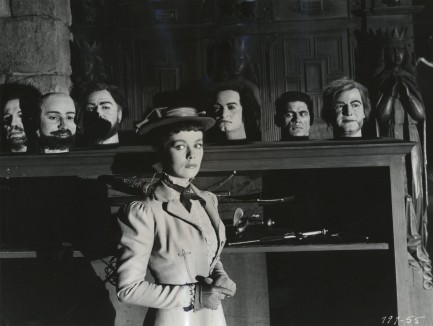
Everything goes fine until Phyllis Kirk begins to suspect that the extraordinary realism of the wax figures is due to more than just artistic talent. Her suspicion is a screenwriter's concoction—there's no way a person could realistically make the leap Kirk does in believing Price guilty of heinous crimes. The script literally calls it a woman's intuition. Well, okay. But in our experience that's a myth, and it's possibly even insulting when used as substitute for intelligence, so maybe just put a realistic clue in the script and write Kirk's character as very smart instead. In any case, she's definitely nosy as hell, and that's the beginning of the end for vicious Vince.
House of Wax has many things going for it. The sets and costumes are extravagant, the early fire sequence with its melting wax figures is genuinely unsettling, the WarnerColor developing process is attractive, and the acting is uniformly competent, even by that six-foot three-inch Hillshire Farms ham Price. And it's fun to watch Charles Buchinsky, aka Charles Bronson, as the mute assistant Igor. In the end the House of Wax works. Add popcorn, a few friends, and about of case of beer and you'll have a great Saturday night.
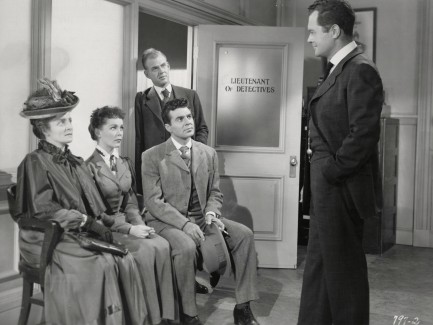
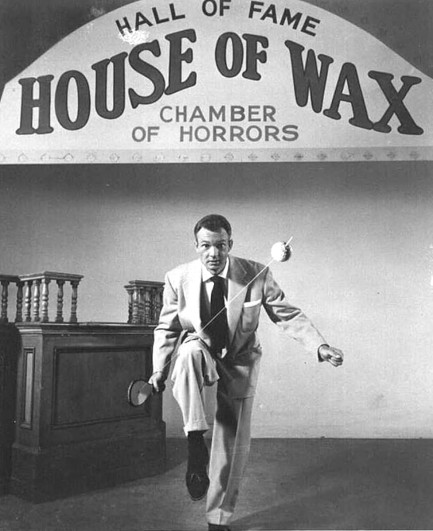
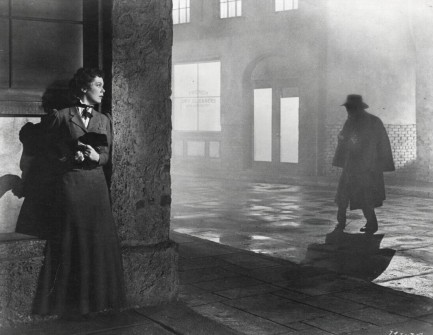
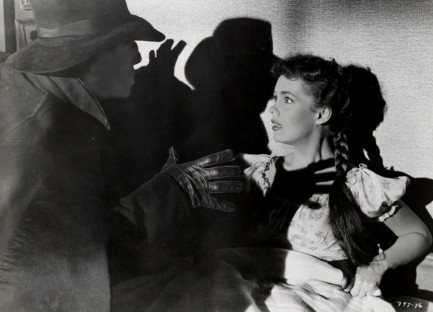
New York CityWarner Bros.House of WaxVincent PriceCharles BronsonCharles BuchinskyFrank LovejoyPhyllis KirkCarolyn JonesAndre de Tothposter artcinemahorrormovie review

| Vintage Pulp | Apr 7 2024 |

The lone stranger rides again.
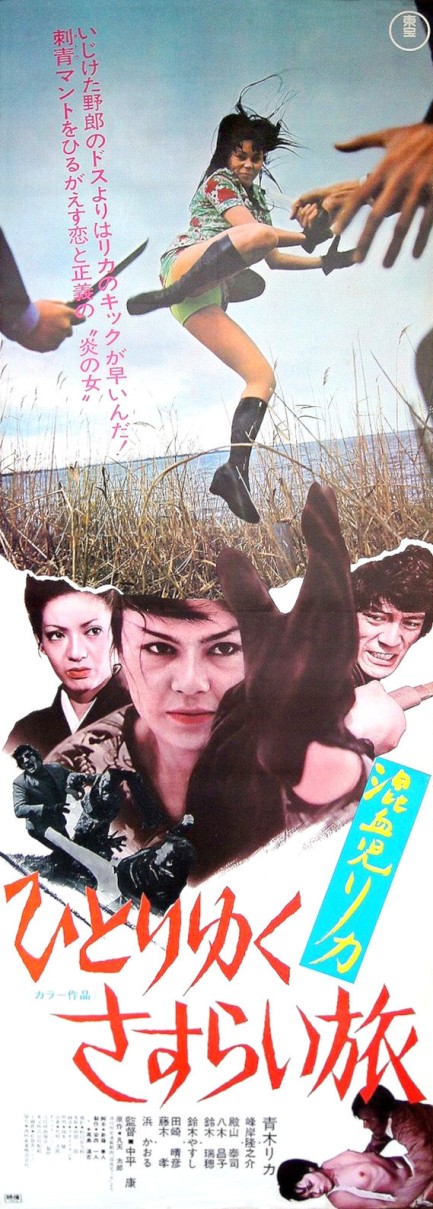
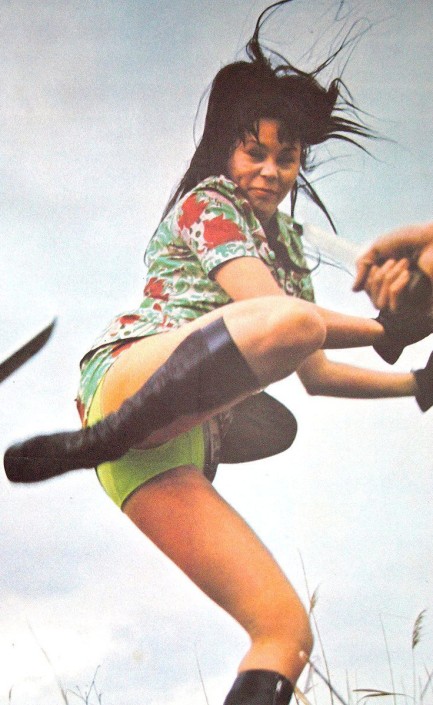
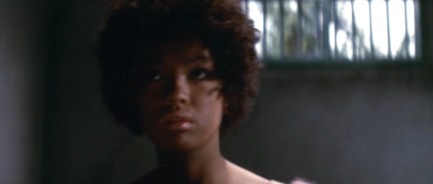
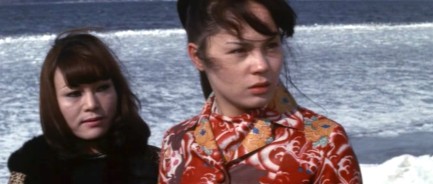
We usually watch movies in the order we're able to acquire them, so as a matter of availability we ended up watching parts one and three in the Rika the Mixed Blood Girl trilogy without having seen the middle entry. Last night we remedied that and screened part two, Konketsuji Rika: Hitoriyuku sasuraitabi, known in English as Rica 2: Lonely Wanderer. You see a rare tateken style poster for the film above—along with a nice zoom—that you won't find anywhere but on Pulp Intl. We already expounded upon the change in spelling of Rika's name in the English title a while back. Shorter version: we don't know why Rica makes more sense than Rika. Probably it doesn't. Take it up with the honchos at Kindai Eiga Kyokai.
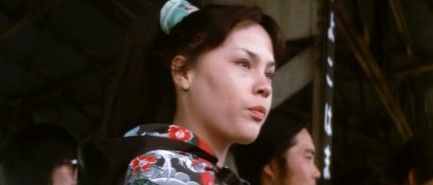
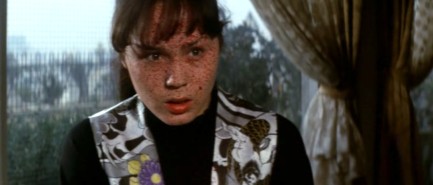
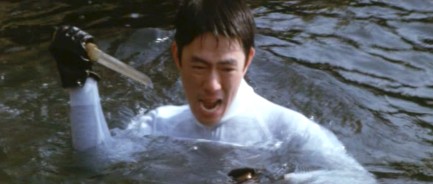
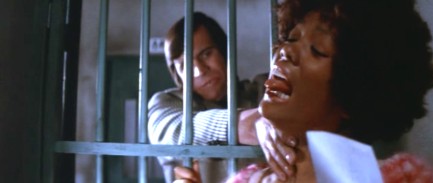
Rika 2/Rica 2 stars Rika Aoki and she's once again required to right wrongs, as she escapes from the frying pan of reform school and lands in the fire of urban crime and other hazards endemic to pinku cinema. The main plot involves a ship that exploded and sank in Misawa harbor, and a survivor—Rika's friend Hanako—who's in a mental hospital as a result. But Hanako is mentally fine. She's actually hiding in the one place hired killers can't reach her. Turns out the ship was yakuza owned, and everyone who survived is being hunted down. Rika goes to the police and demands an investigation, but the cops are yakuza owned too. Why must everyone who survived the ship disaster be killed? How high does the conspiracy go?
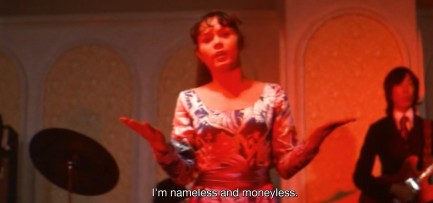
Rika handles her business with moral outrage and violence, but she also has time for a musical number or two. She's the Dylan of the Misawa nightclub district. Check out her lyrical stylings:

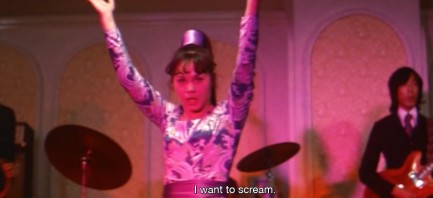
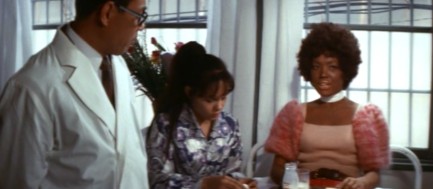
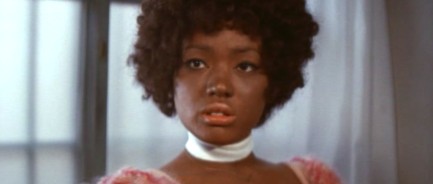
As with the other films, some of the action in Rika 2/Rica 2 veers into slapstick. Also like the other films, there are racial and political digressions, and they aren't subtle. For instance, when Rika and a friend are accosted by Americans at one point, the group consists of one cowboy, one hippie, one guy dressed in a suit, etc. Later Rika is told point blank that it's lucky she's half white, because being half black like her friend Hanako would make her even more inferior to anyone fully Japanese. These are villains talking to her. The movie's default setting is anti-racist, which of course is correct and moral, but it's funny how what's considered racist evolves over time. Hanako is played by Japanese actress Masami Souda in shoe polish and an afro wig. Oops! For pinku cinema, it's just another day. But all-in-all, a reasonably fun one. Konketsuji Rika: Hitoriyuku sasuraitabi premiered in Japan today in 1973.

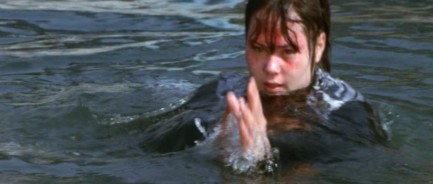
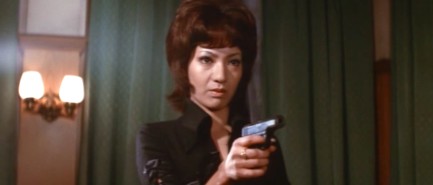
JapanKindai Eiga KyokaiKonketsuji Rika: Hitoriyuku sasuraitabiRica 2: Lonely WandererRika AokiMasami Soudapinkuposter artcinemamovie review

| Vintage Pulp | Apr 7 2024 |

People are being eaten by sharks but the hipsters of the Mexican Riviera are too groovy to care.
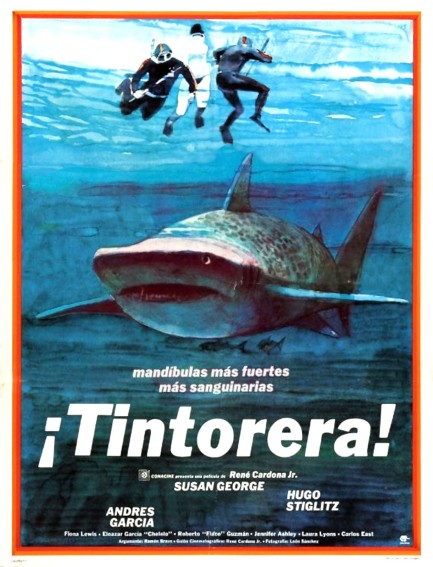
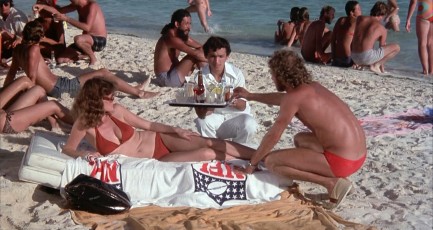
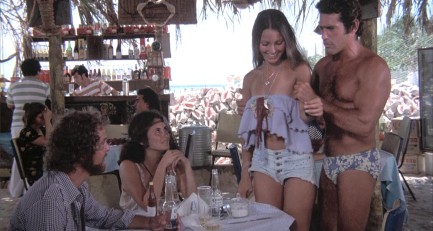
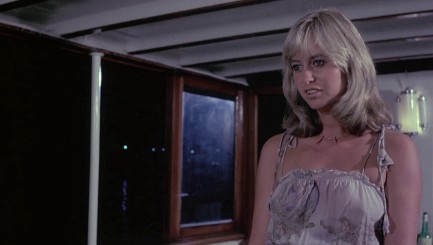
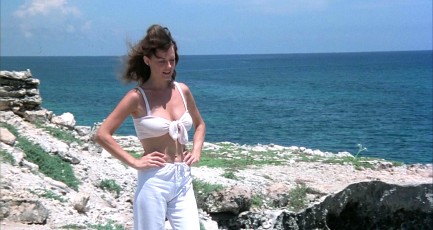
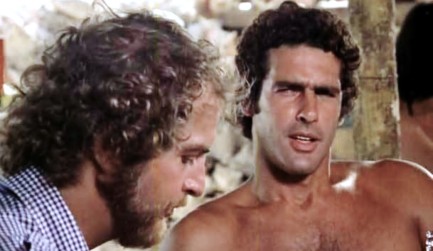
¡Tintorera!, for which you see a poster above, is often presumed to be within the pantheon of Jaws knockoffs, and that's true, but barely. There's a giant shark, and it eats a few people, but ¡Tintorera! couldn't be more different in tone than Spielberg's blockbuster. It's a counterculture movie set in and around Cancún, Tulum, and the Rivera Maya. A considerable amount of script is spent exploring free love and utopian lifestyles. Shark hunters Andrés Garcia and Hugo Stiglitz fashion an exclusive three-way relationship with Susan George. They also mix and match with Laura Lyons and Jennifer Ashley, and each bed down on consecutive nights with Fiona Lewis, which catalyzes a transformation from professional rivals to friends. Discussions of sexual sharing and finding new ways to live take up far more running time than anything to do with sharks.
But sharks there indeed are—specifically, a large tiger shark whose first victim is Lewis. She's eaten during a nude swim, which is another resemblance to Jaws. But to give a sense of how different ¡Tintorera! really is, consider that Lewis appears to be the movie's star during its first half hour, and when she vanishes no trace of her is ever found and nobody much cares that she's gone. They assume she left the country. In cinema's imaginary countercultureworld, who has time to ask questions? The focus of the film shifts to Garcia and Stiglitz's rivalry-cum-friendship. Shortly afterward, Susan George arrives, and the focus shifts again, onto the aformentioned threesome. But then she leaves, and suddenly Lyons and Ashley are the main love interests. Then one of them is eaten too. This round robin approach, in our experience, is unique in a film that isn't anthological or episodic, and it's jarring, to be sure.
Another aspect of ¡Tintorera! that might jar is it usage of real sharks and extremely practical special effects. Many actual sharks are killed. A loggerhead turtle is killed via throat cutting and hung over the side of a boat to make a blood trail. We don't think the Mexican filmmakers Conacite Uno and Productora Filmica Real added a disclaimer to the credits about no animals being harmed. Somehow they got a shark to swim around with a fake human torso sticking out of its mouth. Another shark is made to carry around a human lower body trailing yards of intestines. We don't know how the filmmakers achieved these striking scenes, but they look very real. So if all of what we've written doesn't make the film's slender free love plot sound enticing, maybe watch it for the gory efx. You'll marvel. ¡Tintorera! premiered in Mexico today in 1977.





MexicoCancúnTulum¡Tintorera!Tintorera: Killer SharkAndrés GarciaHugo StiglitzSusan GeorgeFiona LewisLaura LyonsPriscilla Barnesposter artcinemamovie review

| Vintage Pulp | Apr 3 2024 |

Gloria Grahame is a bad mamma scamma.
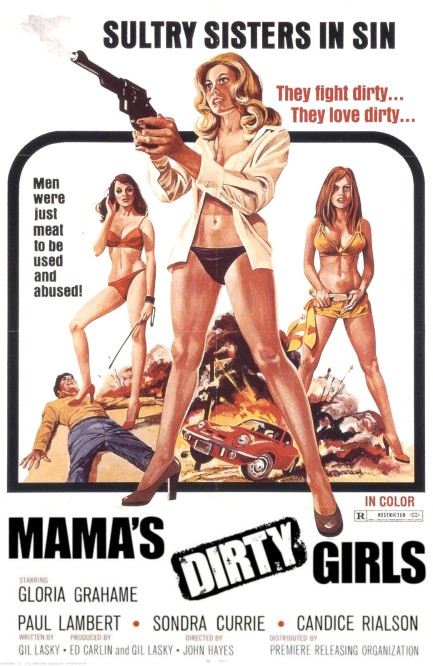
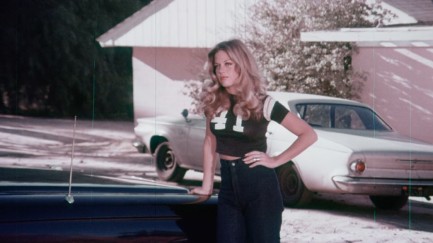
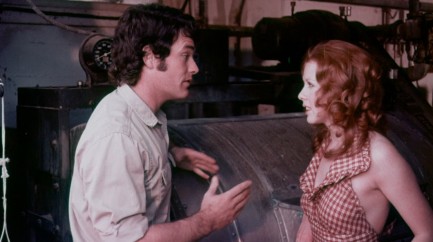
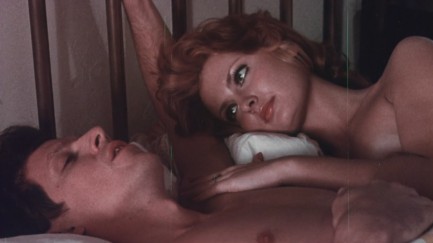
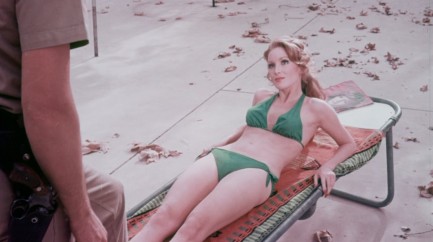
We had to watch Mama's Dirty Girls, not because it's a 1970's grindhouse movie (though that helped), but because none other than 1950s femme fatale Gloria Grahame got snared in this low budget affair. Sometimes the bills simply need to be paid. Or maybe she thought the script was dynamite. Either way, she gets top billing in this drive-in quality drama that premiered today in 1974, which tells the story of a scam artist mother and her three daughters who are honeytrap serial killers dispatching men for their money.
When Grahame gets another rich man on the hook, she foolishly poses as a well-to-do widow without realizing that her target is likewise seeking to kill someone for their money. This twist is ironic, and the mutual murder attempts that follow can be read as black comedy if you peer deeply between the lines, but in our opinion Mama's Dirty Girls doesn't have enough brainpower to be satire. Grahame probably wished it were, though—then she'd have had an excuse for starring in it. Sadly, it's just an amusingly bad movie. Everyone is terrible in it—even Grahame. And there isn't near enough eroticism to save it.
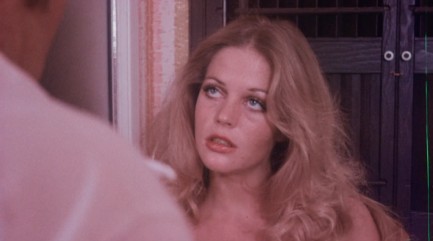
But you may want to watch it anyway. The cast is beautiful, particularly Currie, and there's an interesting value-added co-star too. Fifteen minutes into the movie's running time you'll see an actress that'll make you go, “Who is that?” You'll be reacting to the radiant beauty of bit player Annika Di Lorenzo, née Marjorie Lee Thoreson, who was a Penthouse centerfold in 1973 and later carved out a career in b-cinema. Besides Mama's Dirty Girls she appeared in such films as 1974's Act of Vengeance and The Centerfold Girls, 1980's Dressed To Kill, and 1979's big budget porn epic Caligula.
She later sued Penthouse publisher Bob Guccione, claiming that he forced her to have sex with business associates, and tricked her into the infamous Caligula orgy. She won a $4 million punitive judgement, but lost it in an appeal. Guccione took revenge by publishing a lesbian pictorial of Di Lorenzo. Afterward, she stepped away from the limelight, but in 2011 hit newspapers again when she washed up dead on Camp Pendleton Beach in San Diego under baffling circumstances. Police suggested suicide, but her family contended that it was foul play, possibly perpetrated by someone from the military base. In the end, her case was closed as unsolved, and today remains another Hollywood mystery.



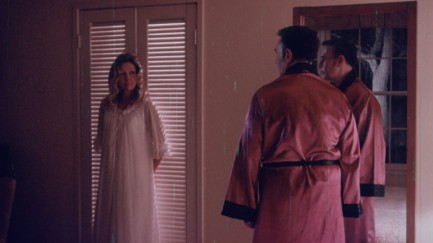
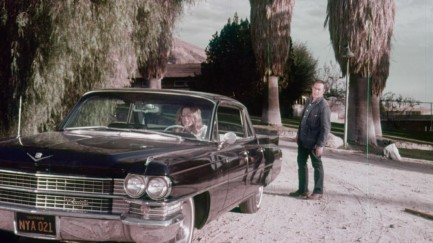

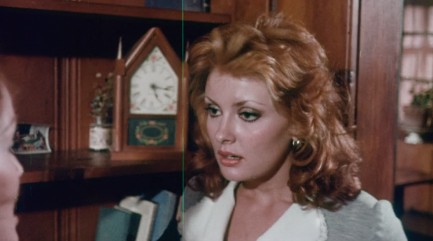
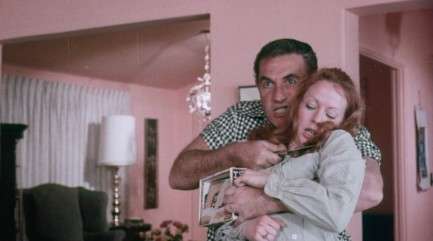
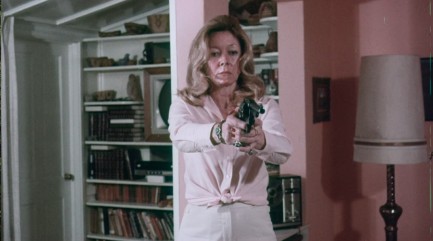
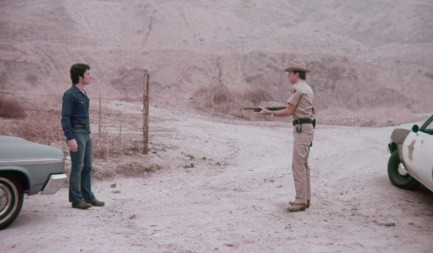
San DiegoMama's Dirty GirlsAct of VengeanceDressed To KillCaligulaThe Centerfold GirlsPenthouse MagazineGloria GrahamePaul LambertCandice RialsonSondra CurrieMary StoddardAnnika di LorenzoMarjorie Lee Thoresonposter artcinemaposter artcinemamovie reviewxxx

| Vintage Pulp | Mar 25 2024 |

The deeper into the Underworld you go the hotter it gets until everyone—and everything—is liable to get burned.
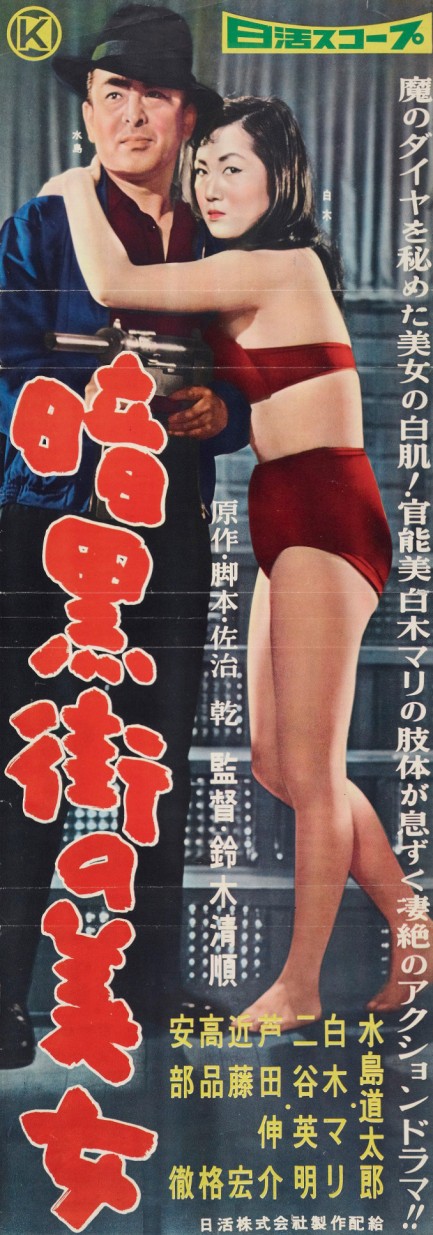
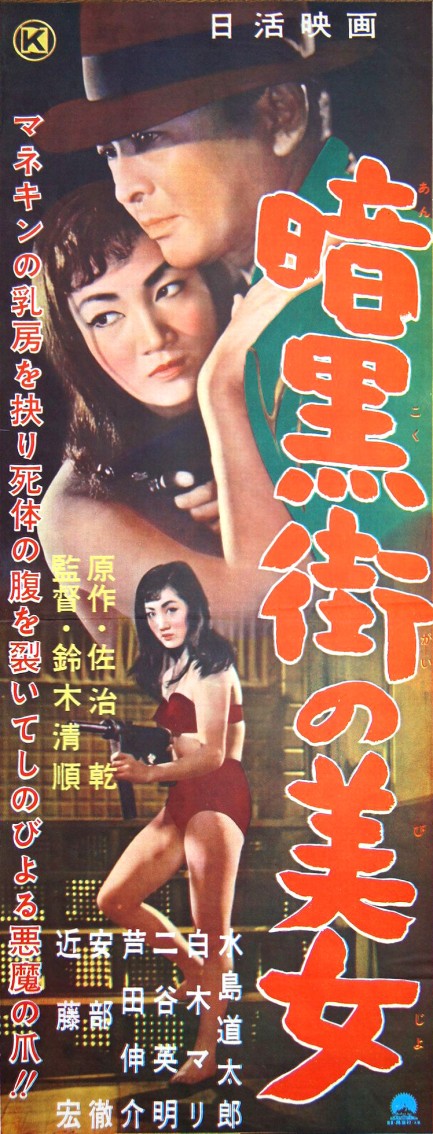
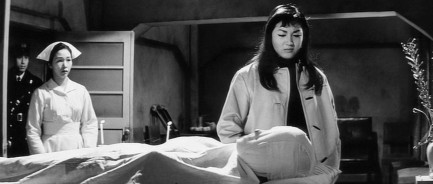
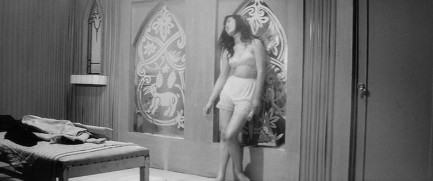
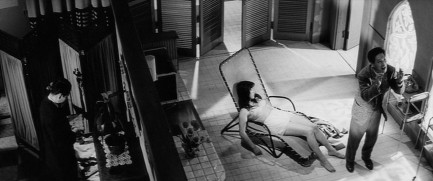
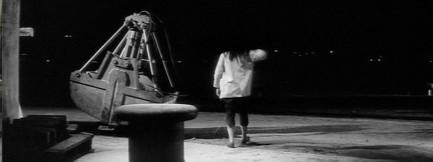
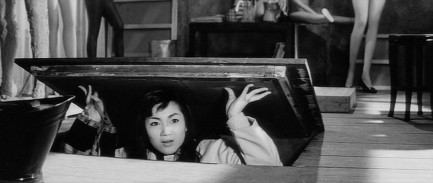
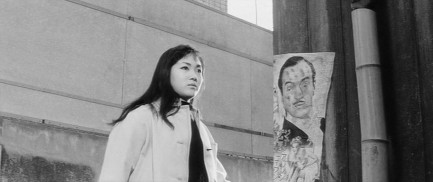
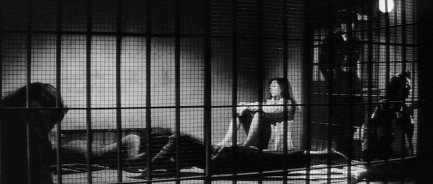
The two tateken style posters you see above were made for the Japanese crime drama Ankokugai no bijo, the title of which means “beauty of the underworld,” and which was known in English as Underworld Beauty. The movie is about a bunch of gangsters chasing after some diamonds. Co-star Tôru Abe has them first, but when the yakuza catch up to him, he swallows them and jumps off a roof, ending up in a hospital. He soon dies and the treasure is cut out of his body, but that's merely the beginning of a struggle to retain their possession. Abe's sister, played by Mari Shiraki, is the underground beauty of the title, and gets tangled up with the mobsters. They say diamonds are forever, but we're told early in the film when it seems as if the coveted stones might go into a crematorium with Abe's body, that they can actually burn. That's clumsy foreshadowing, but Underworld Beauty still manages to be an interesting and mostly satisfying film. It premiered today in 1958.
JapanNikkatsuAnkokugai no bijoUnderworld BeautyMichitarô MizushimaMari ShirakiShinsuke AshidaTôru Abeyakuzaposter artcinemamovie review

| Modern Pulp | Mar 8 2024 |

In Japan business is war—complete with innocent bystanders.

This brilliant promo was painted for Hana to hebi: Shiiku-hen, known in English as Flower and Snake 3: Punishment. It starred Minako Ogawa of Dan Oniroku ikenie shimai, aka Sisters To Be Sacrificed, and in fact the same painter must have produced both posters. Have a look. The central figure is almost identical, no? Right down to her hairy armpits. Since there's no official info on who the artist is we'll throw in our two cents. It was bondage painter Kaname Ozuma. He painted at least one other poster for the Flower and Snake series, which you can see here. In the meantime this piece is literally nowhere else to be found in the quality you see here. At least, as far as we can tell.
We watched the film and it's a typically perverse roman porno tale about a powerful businessman married to Minako Ogawa, who he stole from a subordinate who was helpless to prevent it. When he later declines to help a business associate out of a jam that person has Ogawa kidnapped—literally thrown into a giant bag—taken to an isolated house, sexually assaulted, and coercively trained using bondage, a kielbasa, and other esoterica in order to turn her into a performer for live sex shows. That's a hell of a twisted retaliation for being refused financial help, but twisted is what roman porno is all about.
Of technical note is the fact that, though it was illegal to show pubic hair in Japanese movies, the ever clever roman porno filmmakers found a loophole. They have Ogawa's captors, as part of her torment, cut off her pubic hair with scissors. Though it couldn't be shown attached to her body without bringing down the wrath of censors, they got away with showing it falling into bathwater. You gotta give the pervs credit. They were always thinking outside the—er—box. Hana to hebi: Shiiku-hen premiered in Japan today in 1986.
After a long day on the set filming sex and bondage...

I'm very happy to spend the evening doing this.
JapanNikkatsuHana to hebi: Shiiku-henFlower and Snake 3: PunishmentMinako OgawaYuri YauMariko KajikawaKaname Ozumapinkuroman pornosexploitationbdsmnudityposter artcinemamovie review