| Hollywoodland | Mar 21 2024 |

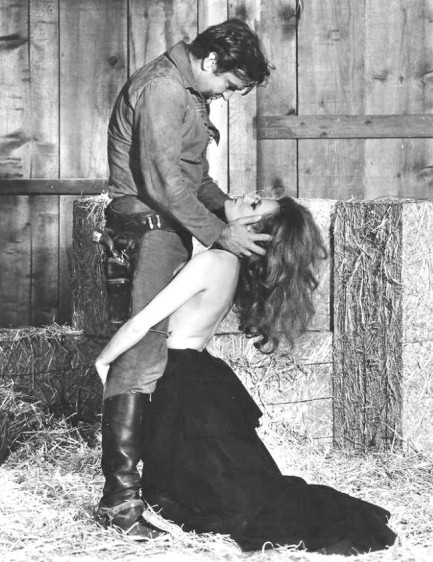
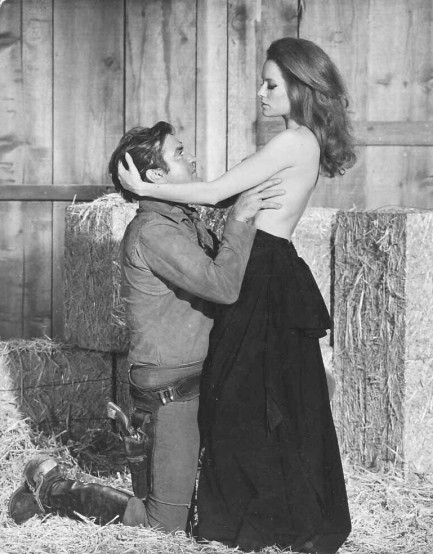 Rod Taylor and Luciana Pauluzzi swap subordinate positions for 1967's Chuka.
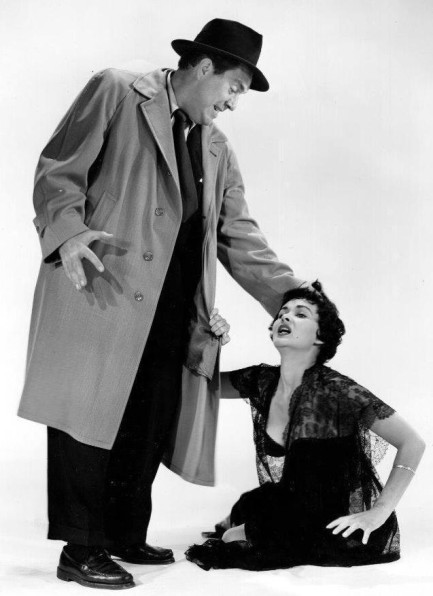 Edmund O'Brien goes for the time honored hair grab on Marla English for 1954's Shield for Murder.
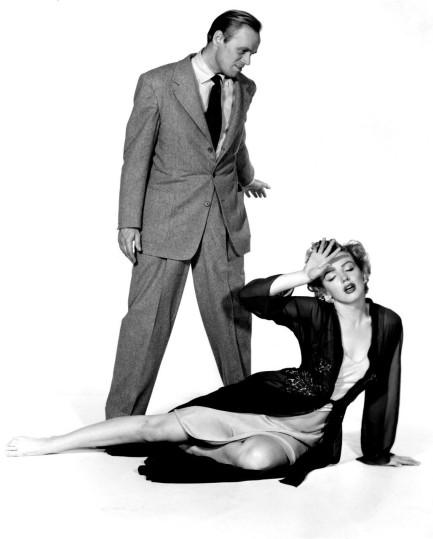 Marilyn Monroe swoons as Richard Widmark snarls for Don't Bother To Knock, 1952.
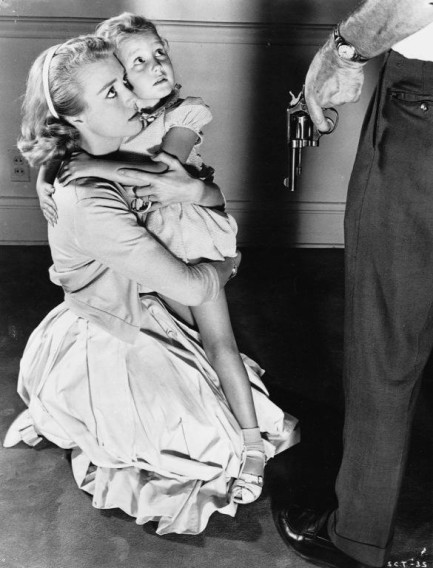 Inger Stevens and Terry Ann Ross for Cry Terror, an adaptation of a novel we talked about a few years ago.
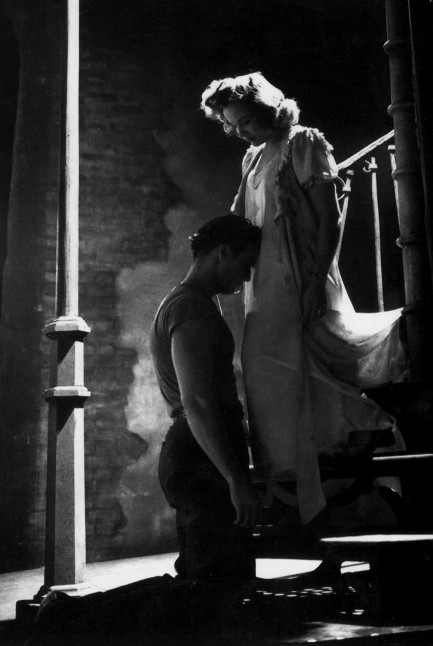 Kim Hunter soothes an overheated Marlon Brando in a promo for 1951's A Streetcar Named Desire.
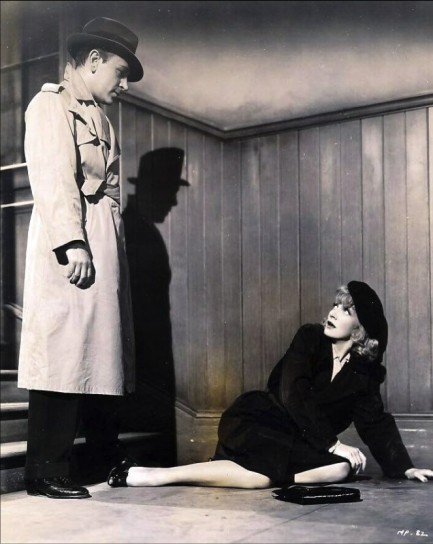 George Raft menaces Marlene Dietrich in the 1941 comedy Manpower.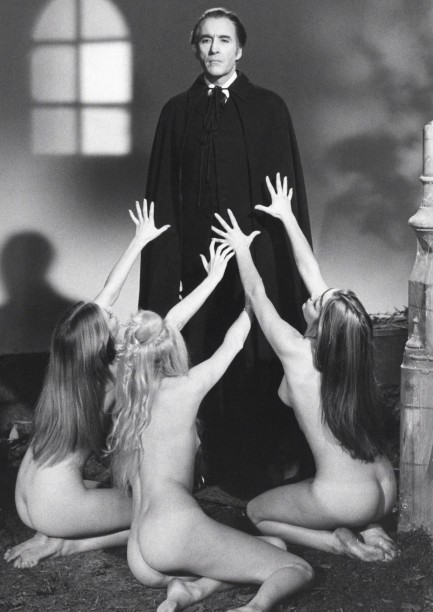
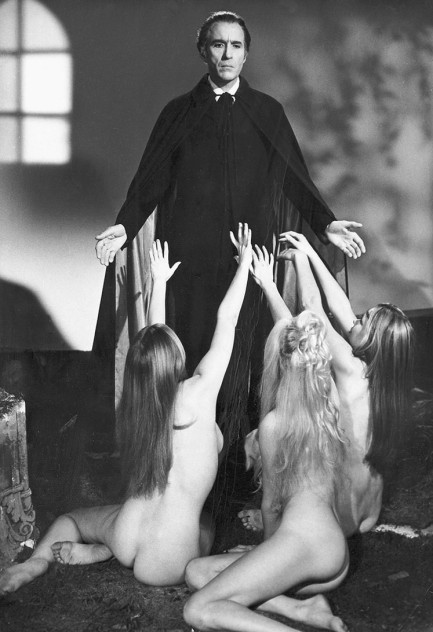 As promos go, these actually make sense. They show three unidentified models mesmerized by vampire Christopher Lee for 1970's Taste the Blood of Dracula.
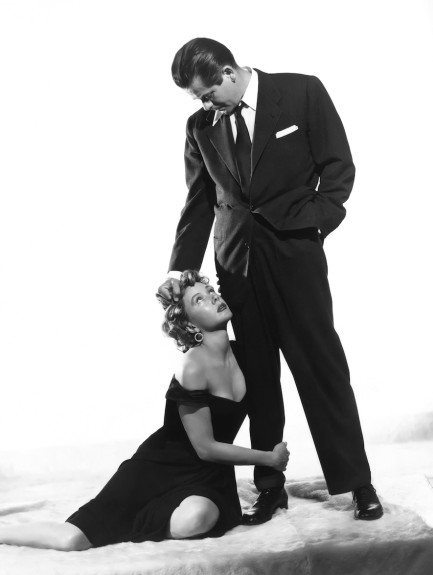
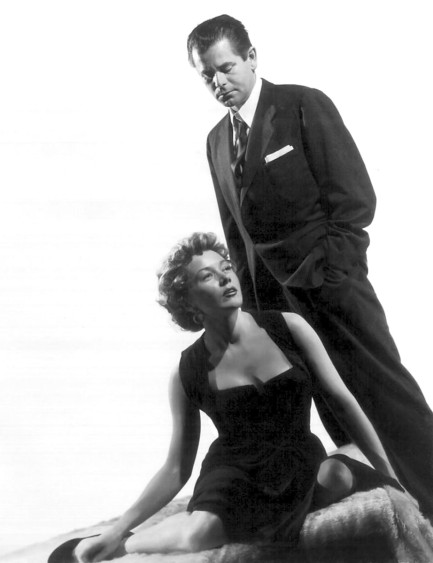
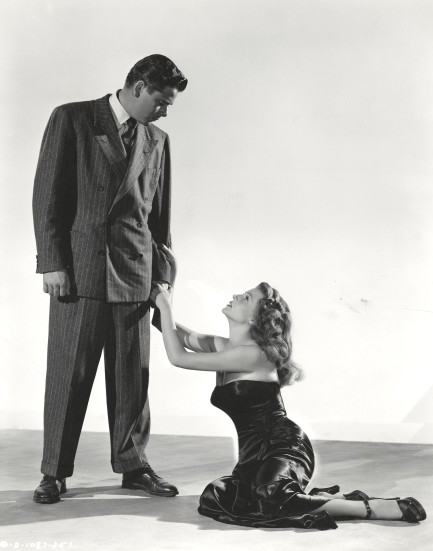 Glenn Ford is at it again, this time looming over Rita Hayworth for the 1946 classic Gilda.
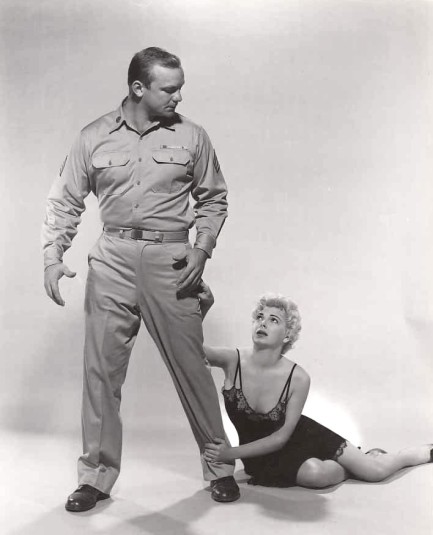 Aldo Ray and Barbara Nichols for 1958's The Naked and the Dead.
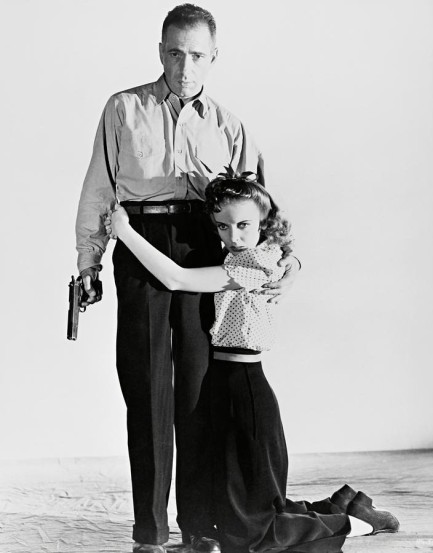 This one shows less domination and more protectiveness, as Humphrey Bogart prepares to defend Ida Lupino for High Sierra, 1941.
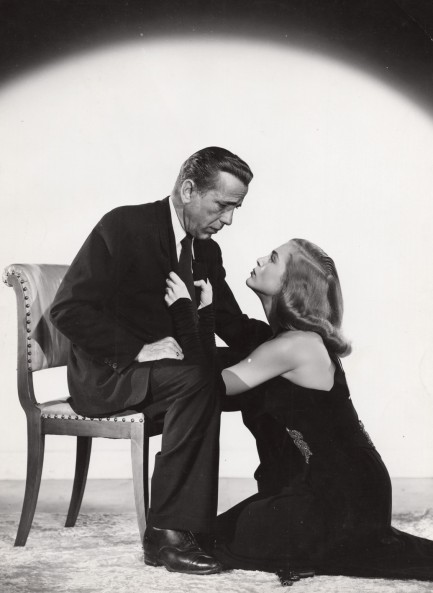 Humphrey once more. Here he's with Lizabeth Scott for Dead Reckoning, 1947.
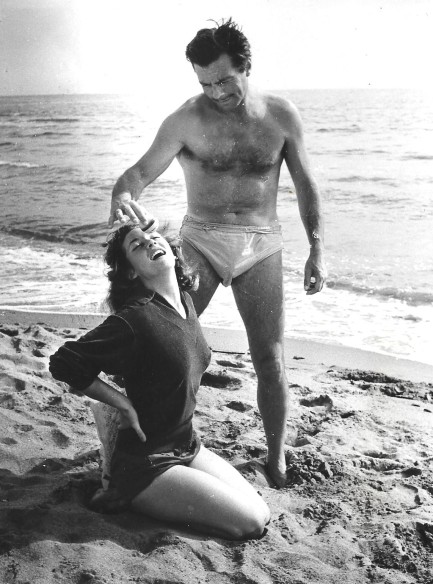 This shot shows Brazilian actress Fiorella Mari with an actor we can't identify in a movie we also can't identify.
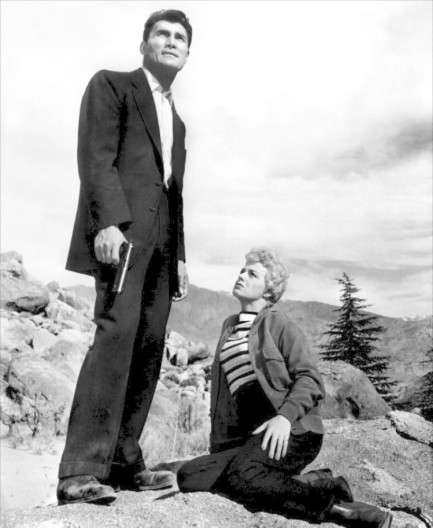 Shelly Winters and Jack Palance climb the highest mountain together for I Died a Thousand Times, 1955.
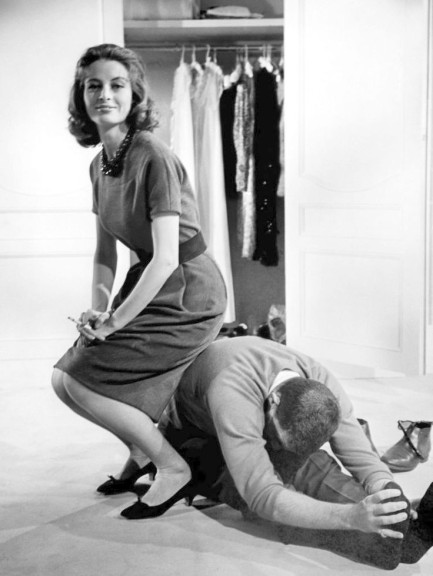 As we said, we didn't find as many examples of kneeling men, but we found this gem—Cappucine makes a seat of director Blake Edwards on the set of The Pink Panther in 1963. Does this count, though? While Edwards is subordinate, he isn't kneeling and it really isn’t a legit promo.
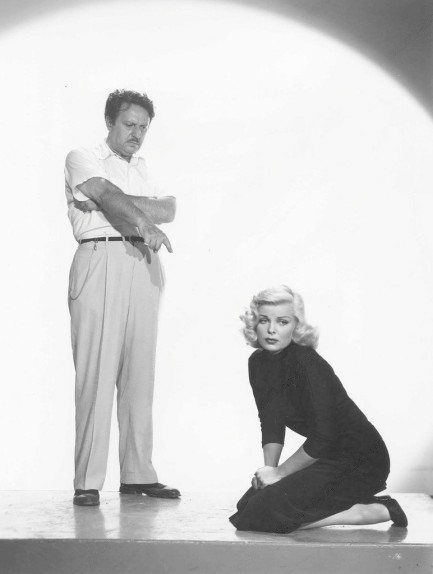 And lastly, in a curious example, Hugo Haas seems to tell Cleo Moore to stay in a shot made for 1953's One Girl's Confession.


| Vintage Pulp | Jan 20 2024 |

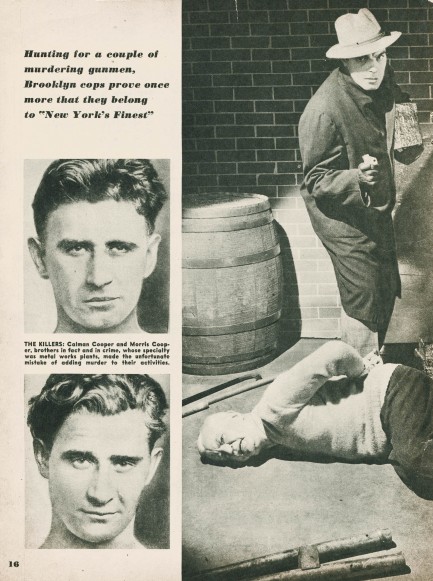
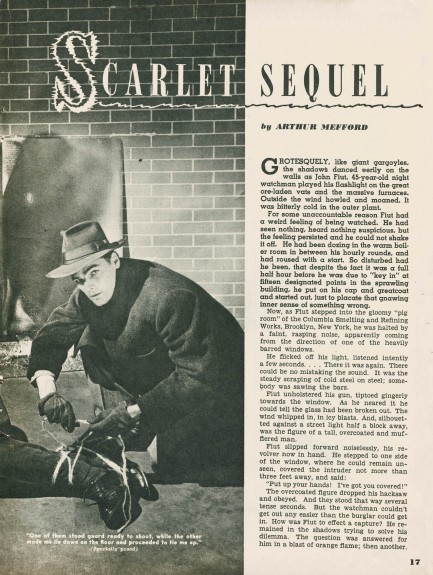
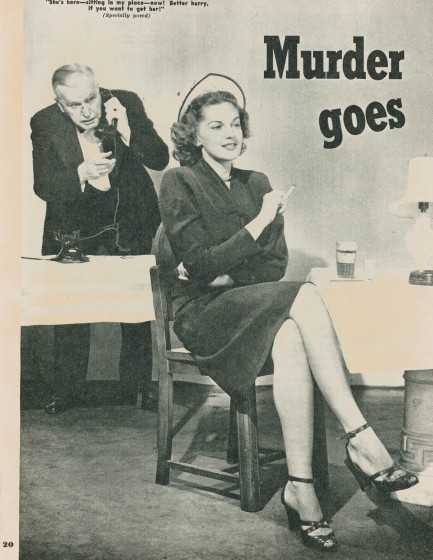
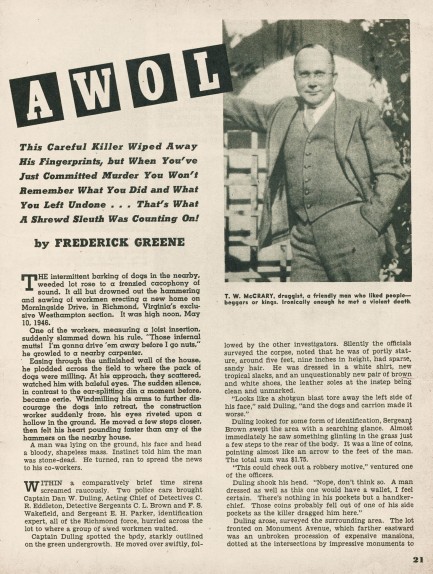

| The Naked City | Jan 12 2024 |

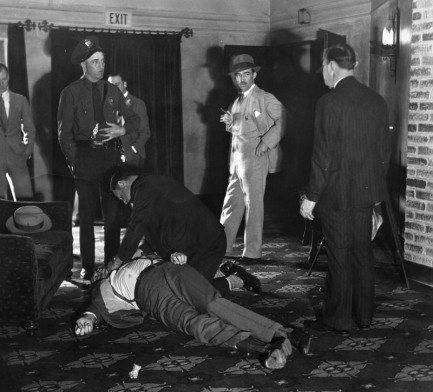
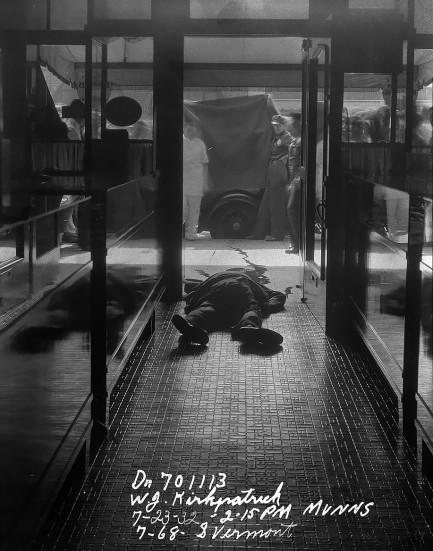
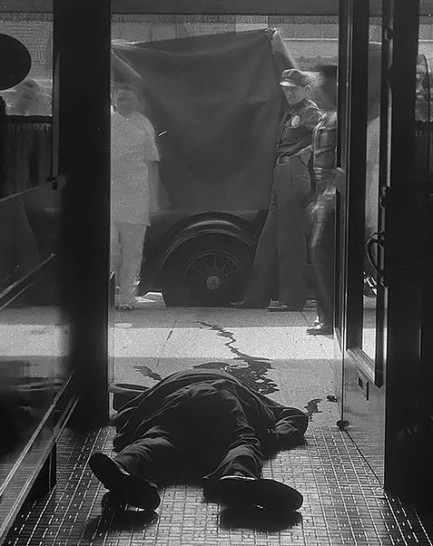
Police Lt. Hugh Crowley lies dead in the Fox Westwood Village Theater in Los Angeles after being shot today in 1932. Crowley had gone to the theater after closing time to retrieve box office receipts, but instead surprised two thieves. Crowley reached for his sidearm and fired, and one of the crooks gunned him down. Both men were captured and tried, and Joseph Francis Regan, who had fired the fatal shot and actually been hit in the abdomen by a bullet fired by Crowley, was sentenced to death. Jack Green, who had no prior criminal record, had not fired a shot, and had cooperated in the police investigation, nevertheless also was sentenced to death, probably because he had planned the crime. Regan was hanged at San Quentin State Prison in August 1933. Green came close to the gallows, but received numerous reprieves after public pleas for leniency from his parents, and rulings from higher courts. Eventually his sentence was commuted to life in prison.
Although Green was probably never aware of it, legal authorities often cited his case during the long battle over the constitutionality of the death penalty in California. The idea put forth by the pro-death penalty side around 1960 was that even though Green’s commuted sentence specified “without possibility of parole,” there was no actual reason in California jurisprudence or the state constitution that he could not be released. All that was required was for an appropriate state authority to decide to do it. They felt therefore that anti-death penalty campaigners’ assurances that criminals could be imprisoned for life if such punishment was deemed necessary meant nothing. No matter the language of the original life sentence, any criminal could later be released. Green doubtless would have found all this fascinating, but none of it ever came to affect him. As far as we can tell, he did in fact spend the rest of his life in San Quentin.

| The Naked City | Dec 4 2023 |

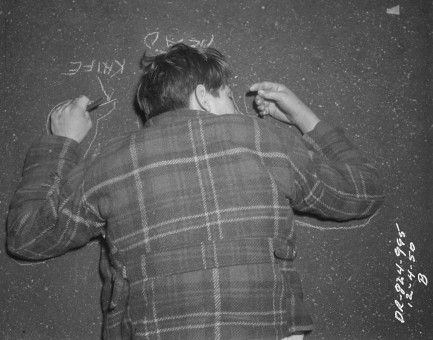
This photo, which is another one from the Los Angeles Police Department photo archive, shows an unidentified man after police crime scene detectives have outlined his body in chalk. Note the knife. He defended himself against an attacker, but unsuccessfully. Or perhaps he attacked someone and they defended themself successfully. The photos from the archive carry only the information written on them, and in this case that's nothing. But it's a compelling shot, made today in 1950.

| Vintage Pulp | Sep 23 2023 |

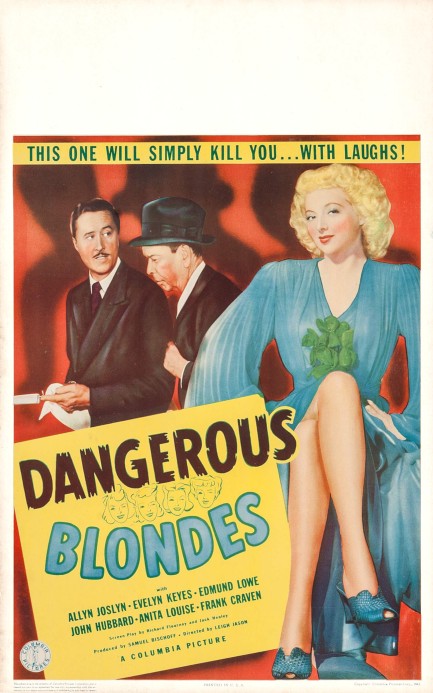
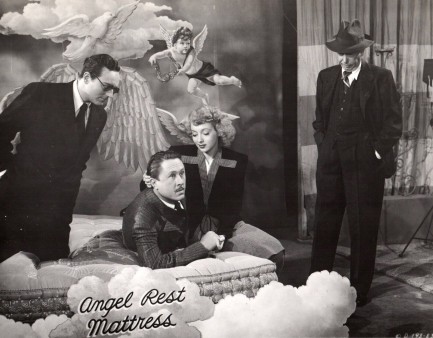
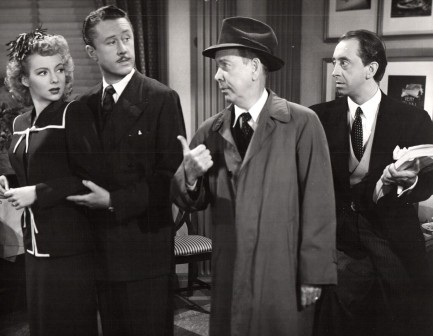
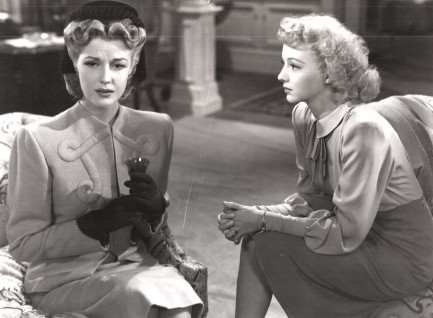
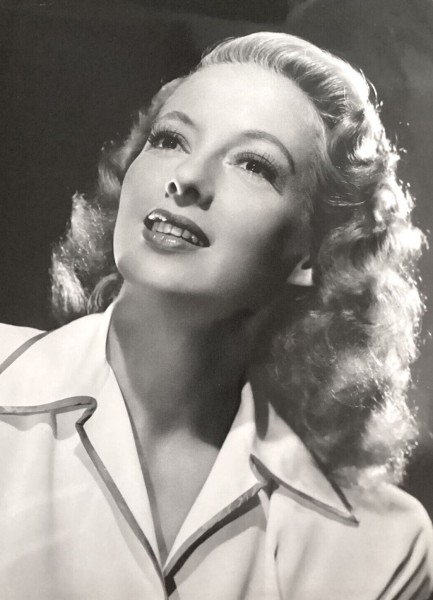
Any movie called Dangerous Blondes is a mandatory watch, if only because it might give us insight into the mind of PI-1, the most dangerous blonde we know. We learned nothing useful on that front, but the movie was entertaining. It stars Allyn Joslyn as a famous mystery author who sometimes helps the cops but mostly gets on their nerves. Does that sound familiar? 1937's Super-Sleuth, which we watched earlier this year, also features a celebrity crimesolver who sometimes helps but mostly gets on the nerves of the cops. And of course there's that Thin Man celebrity sleuth guy. Hollywood, it seems, has always beaten dead horses.

| The Naked City | Aug 26 2023 |

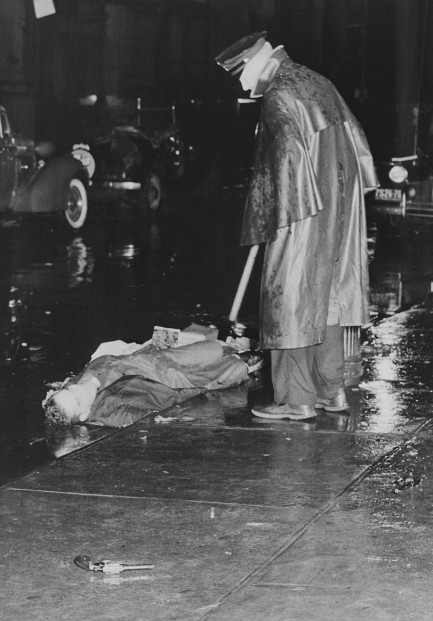
In this photo made today in 1930, a policeman stands over the body of Louis Riggiona, who had been shot twice in the heart by two gunmen as he and his brother Joe exited a restaurant in New York City's Bowery district. Joe fled and avoided injury, while the gunmen dropped their weapons (one pistol is visible in the foreground) and escaped. Louis Riggiona had become the latest casualty in what was known as the Castellammarese War, a Mafia power struggle whose opposing figureheads were Salvatore Maranzano and Joe Masseria. Maranzano was from Castellammare del Golfo, Sicily, thus the name of the conflict. He won the war, but got to be capo di tutti i capi for only five months before he too was murdered.

| Femmes Fatales | Aug 24 2023 |

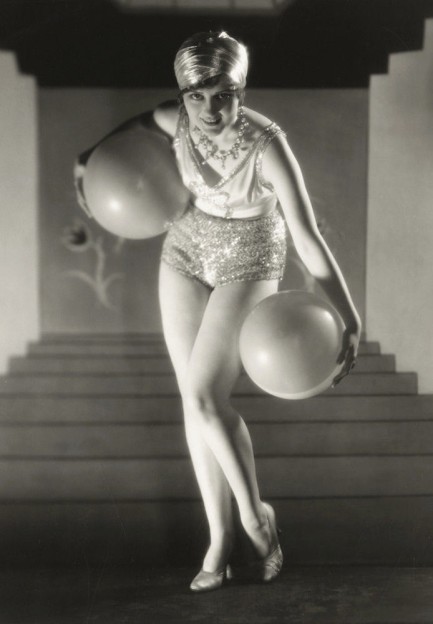
This photo features pre-Code actress Doris Hill in a shot made by photographer Eugene Robert Richee. She looks about to bowl, but we think she's holding balloons, not balls. Anything else would be too heavy. Usually when we say someone is pre-Code we mean they got famous before the Hays Code took effect and continued acting afterward, but in Hill's case everything she did was pre-Code, with her entire career spanning 1926 to 1934. Among her films: Thief in the Dark, The Studio Murder Mystery, and Darkened Rooms. We thought because of the unusual background on this photo that we'd be able to pinpoint what film it was made for, but we had no luck. But we can tell you the date. Most sources say it's from 1929.

| The Naked City | Aug 5 2023 |


| The Naked City | Jul 23 2023 |


| The Naked City | Apr 21 2023 |