| Intl. Notebook | Dec 6 2012 |
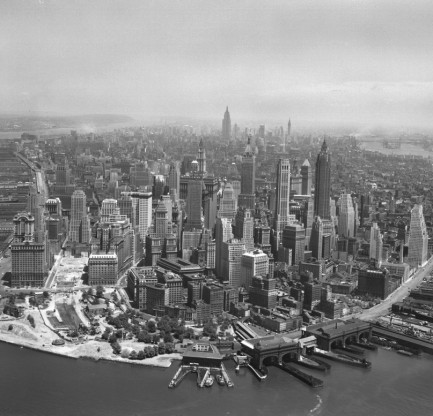
Above is a photo of Manhattan, New York City, in the year 1947, looking from Battery Park toward midtown. Here you see everything—the Staten Island Ferry Building at bottom, Wall Street to the right, the 59th Street Bridge crossing Welfare Island at upper right, and in the hazy distance, the Empire State Building—at that time arguably America’s most recognized symbol. In the aftermath of a war that had destroyed Europe’s and Japan’s industrial capacity, the U.S. was the unquestioned power on the planet, with massive economic might, a military that had taken up permanent residence in dozens of countries, and a growing stock of nuclear weapons. Two years later the Soviets would detonate their first nuclear bomb, shaking the American edifice to its foundation. Meanwhile, all around the world, the seeds of change were taking root. Below is a look at the world as it was in 1947.
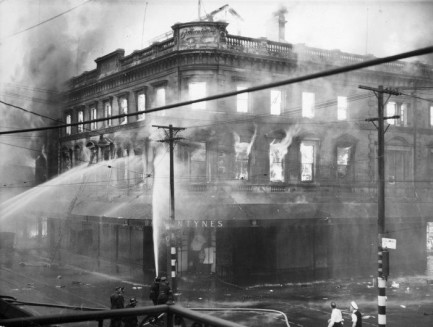
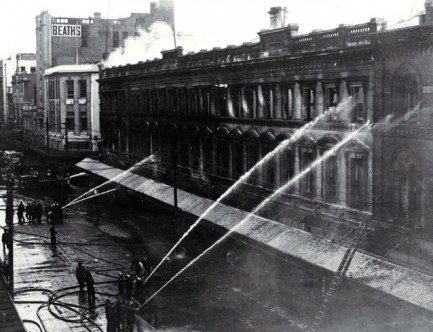
Firemen try to extinguish a blaze in Ballantyne’s Department Store in Christchurch, New Zealand.
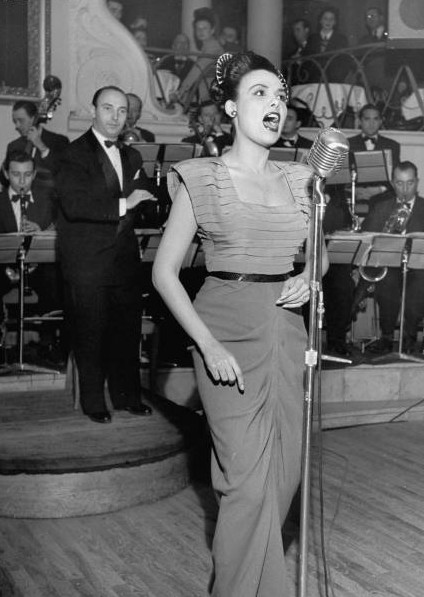
American singer Lena Horne performs in Paris.
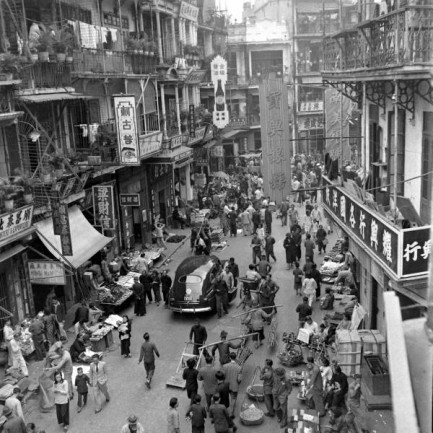
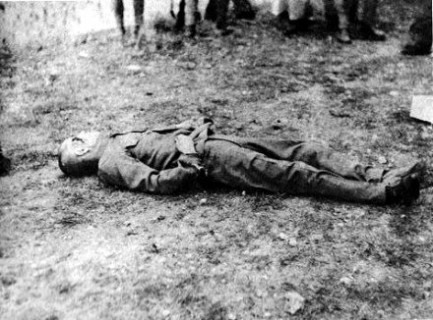
The hustle and bustle of Hong Kong, and the aftermath of the execution of Hisakazu Tanaka, who was the Japanese governor of occupied Hong Kong during World War II.
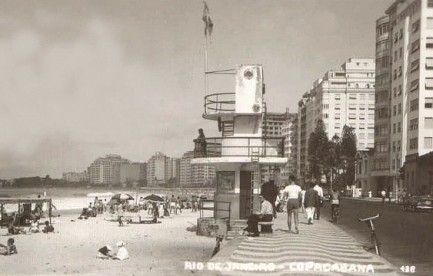
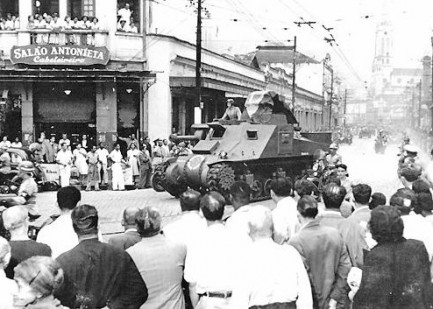
Sunbathers enjoy Copacabana Beach in Rio de Janeiro, and a military procession rumbles along Rua Catumbi.
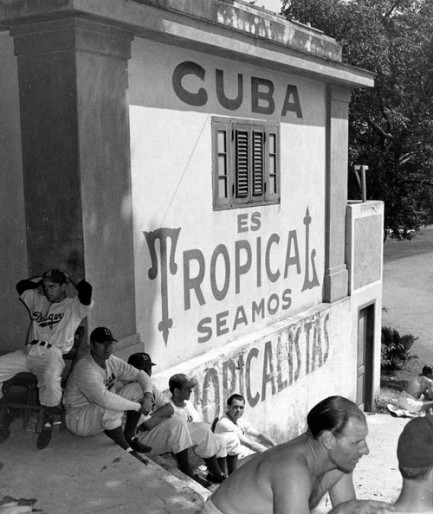
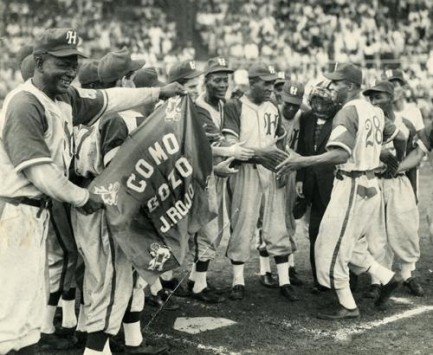
Assorted Brooklyn Dodgers and manager Leo Durocher (shirtless in the foreground) relax at Havana, Cuba’s Estadio La Tropical, where they were holding spring training that year. Second photo, Cuban players for the Habana Leones celebrate the first home run hit at Havana’s newly built Estadio Latinoamericano.
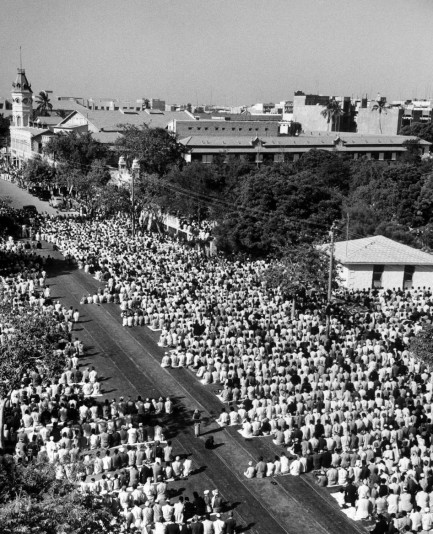
Thousands of Muslims kneel toward Mecca during prayer time in Karachi, Pakistan.
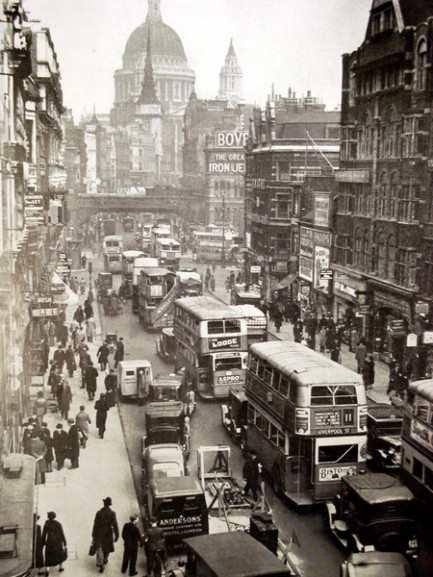
A snarl of traffic near St. Paul’s Cathedral in London.
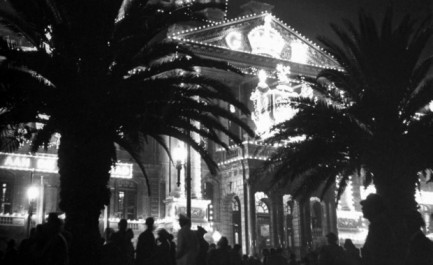
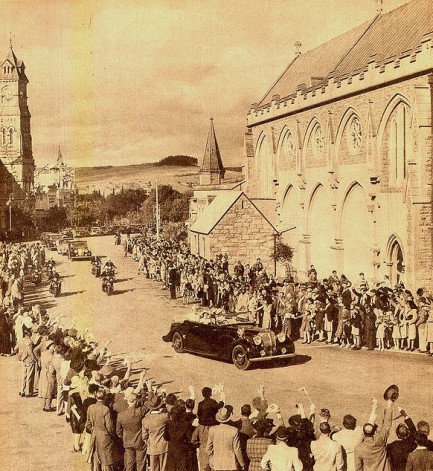
The city hall of Cape Town, South Africa is lit up to celebrate the visit of the British Royal Family. Second photo, during the same South African trip, the royals are welcomed to Grahamstown.
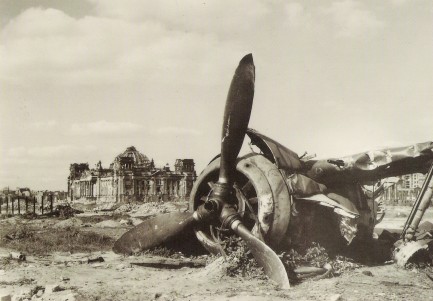
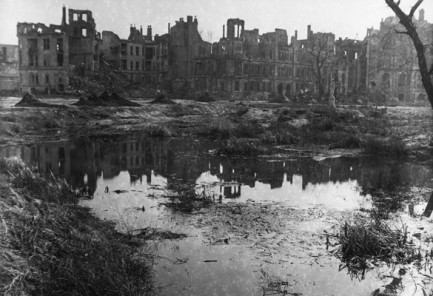
A wrecked fighter plane rusts in front of Berlin’s burned and abandoned parliament building, the Reichstag. Second photo, a shot of ruins in Berlin’s Tiergarten quarter, near Rousseau Island.
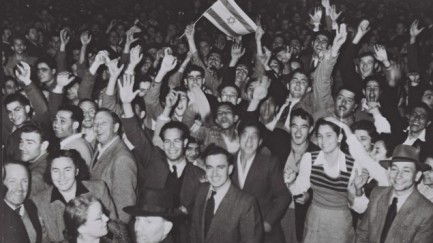
A crowd in Tel Aviv celebrates a United Nations vote in favor of partitioning Palestine.
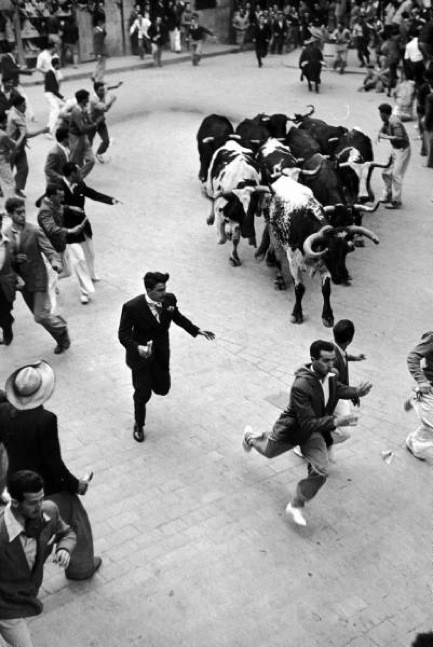
Men and bulls run through the streets of Pamplona, Spain during the yearly Festival of San Fermin.
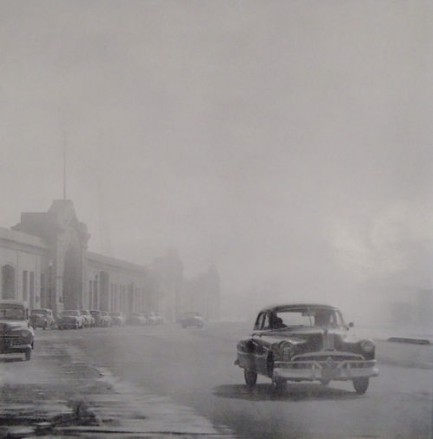
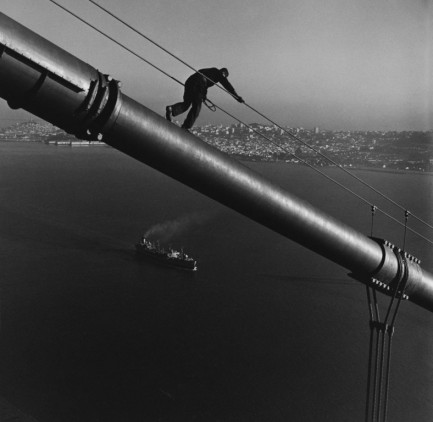
Fog rolls across the Embarcadero in San Francisco; a worker descends from a tower of the Golden Gate Bridge.
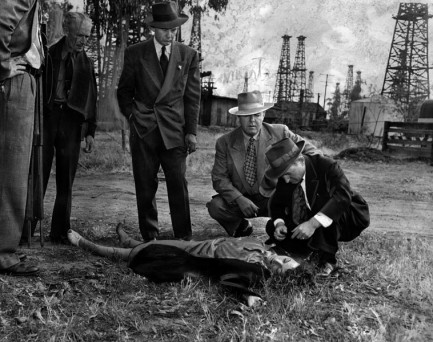
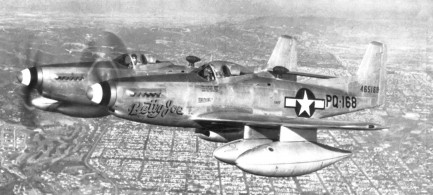
Detectives study the body of a woman found murdered in Long Beach, California. Two P-51 Mustang fighters fly above Los Angeles.
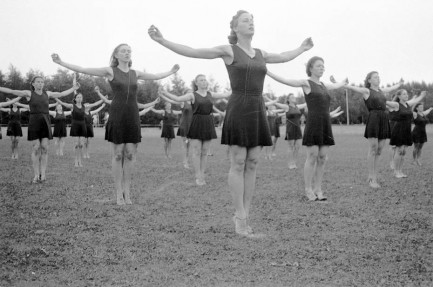
Danish women from Snoghøj Gymnastics School practice in Odense.
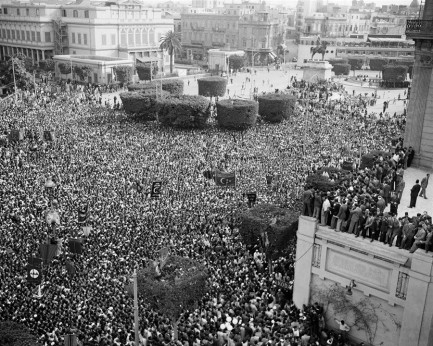
Tens of thousands of protesters in Cairo demonstrate against the United Nations vote in favor of partitioning Palestine.
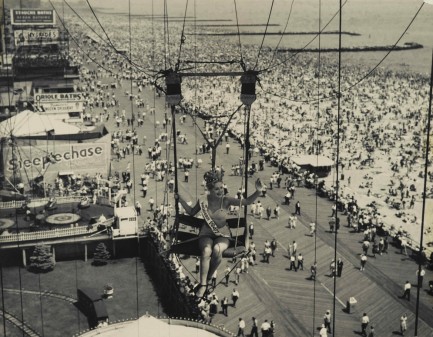
A beauty queen draped with a sash that reads “Modern 1947” is lifted high above the boardwalk in Coney Island, New York.
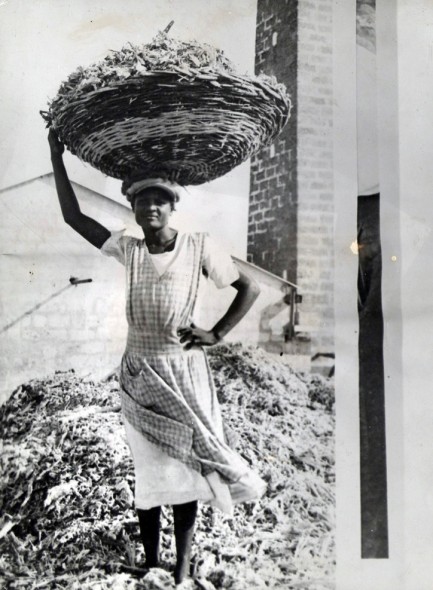
A woman in Barbados holds atop her head a basket filled with fibers meant for burning as fuel.
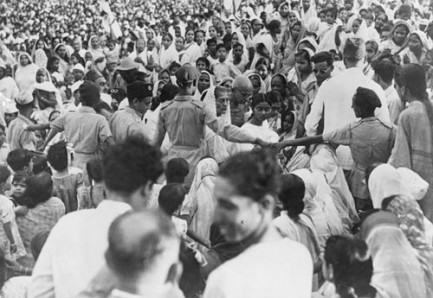
Mahatma Gandhi, his bald head barely visible at upper center, arrives through a large crowd for a prayer meeting on the Calcutta Maidan, India.
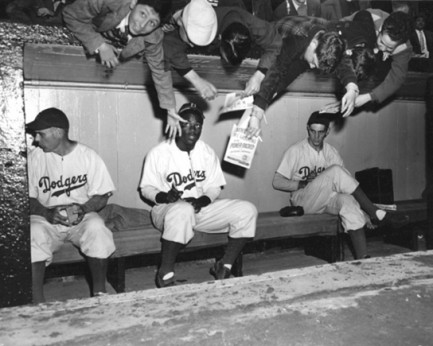
Major League Baseball player Jackie Robinson is hounded for autographs in the dugout during a Brooklyn Dodgers game.