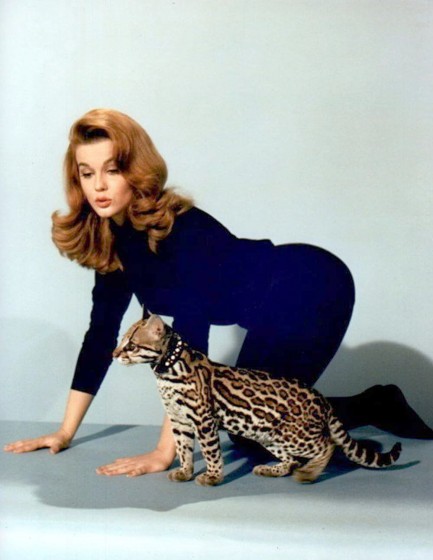
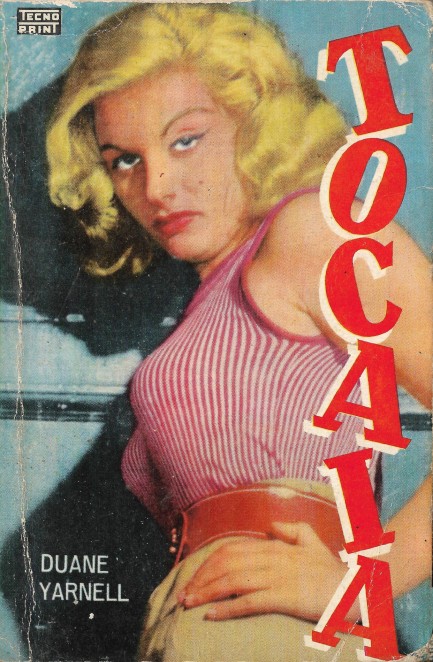
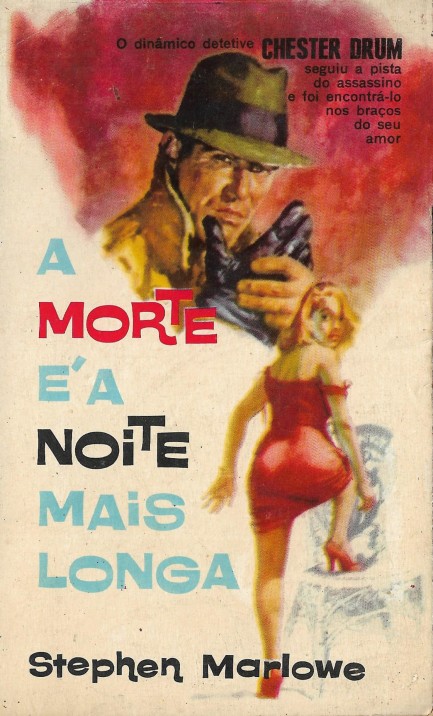
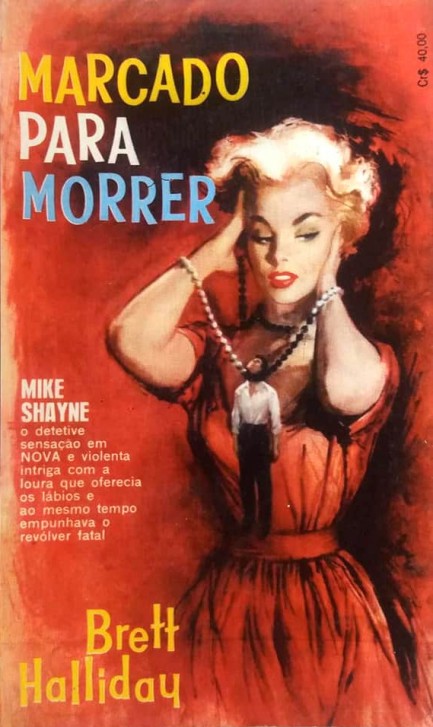
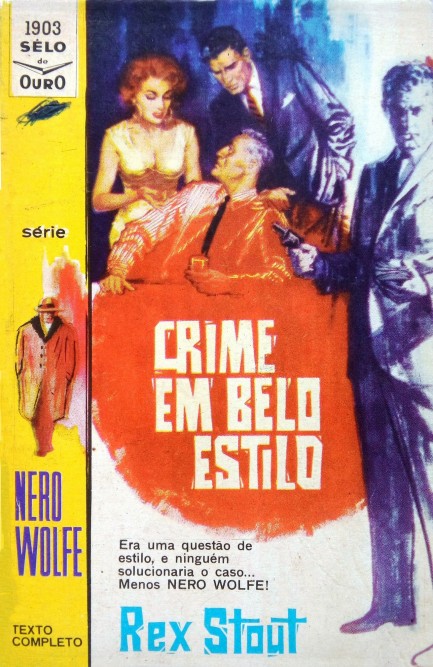
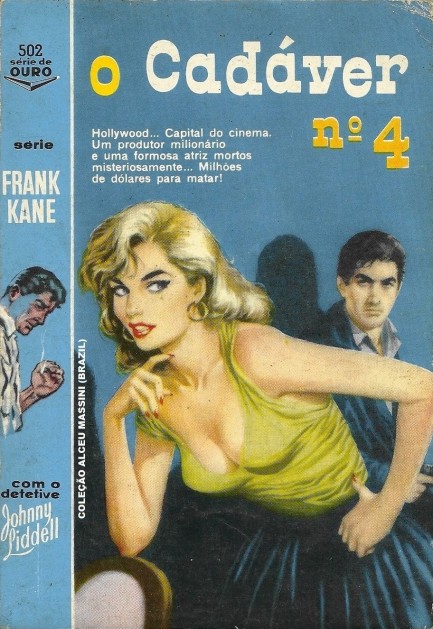
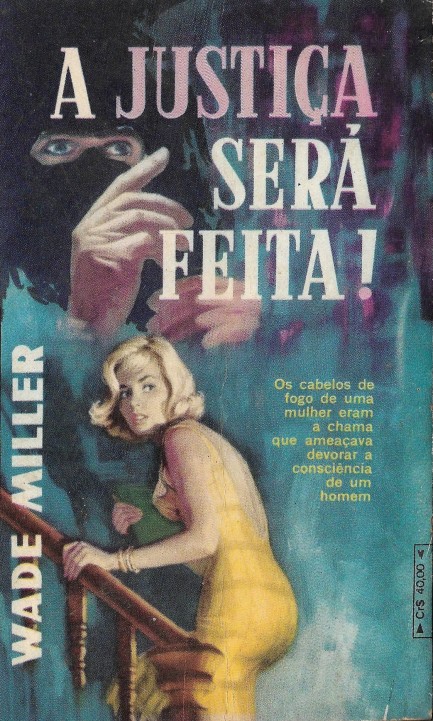
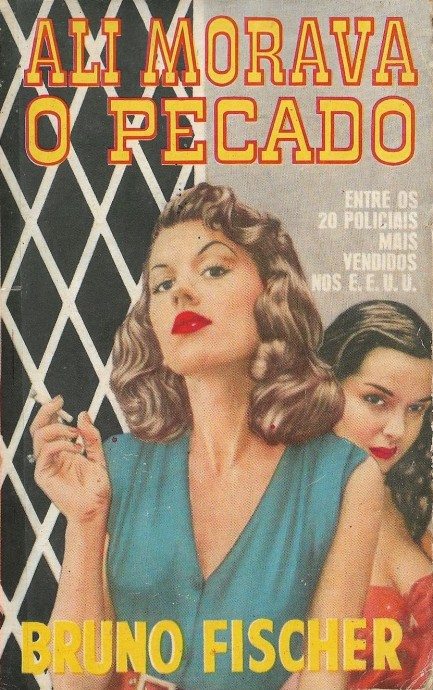
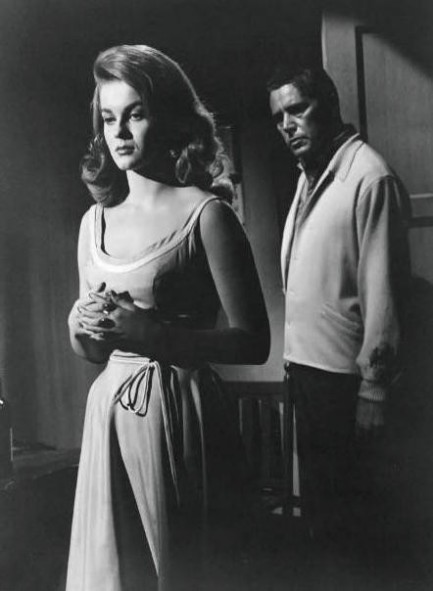
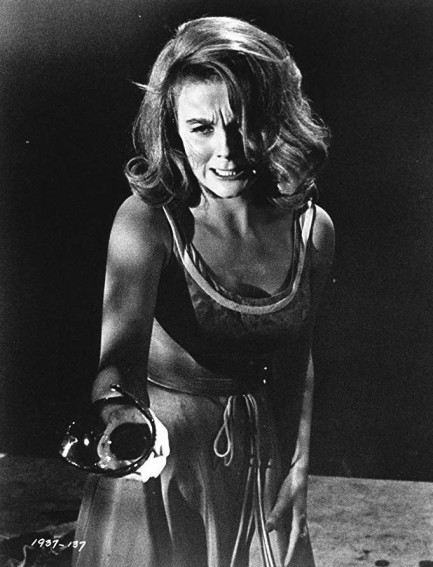
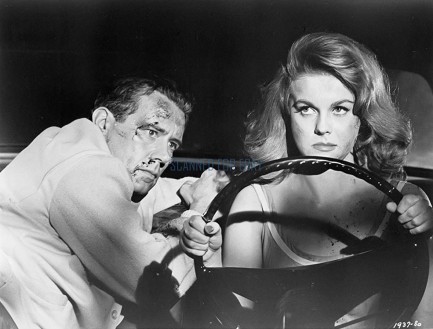
That bimbo has no idea she can't get hair dye here. When her roots grow out we'll see if men still think she's so amazing. 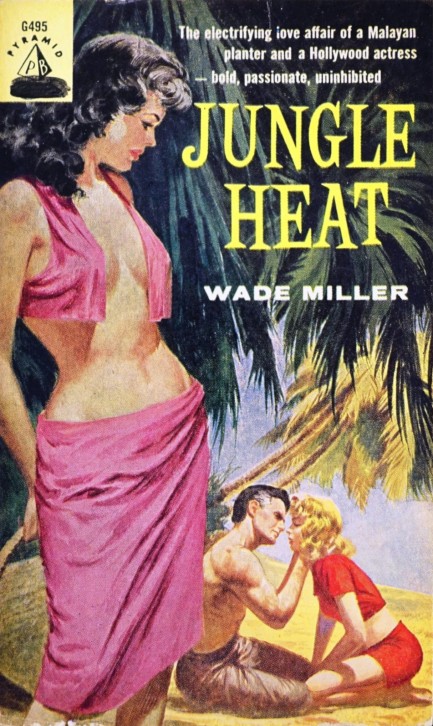
We have other Wade Miller books to read, but we picked up this copy of 1960's Jungle Heat and moved it to the head of the line because the story is set in Malaya (now Malaysia), and the last book we read that the authors (Bob Wade and Bill Miller writing together under a pseudonym) set in an exotic country was phenomenal. Jungle Heat was originally published in 1954 under the name Dale Wilmer, with this reattributed Pyramid edition coming a bit later, and it finds Miller taking on the unexpected challenge of writing in first person from a woman's point-of-view. The lead character is Hollywood b-actress Roxy Powell, who is sent to Malaya with a small crew to shoot background footage for an upcoming jungle adventure. Never mind that a communist revolution is brewing. What Hollywood wants, Hollywood gets.
Plantation boss Llewelyn Kirk, under whose roof Roxy and the crew are residing, is one of those characters who's colonial through-and-through but thinks that because he's been in Malaya for twenty years he isn't an invader and knows what's best for locals. Since the authors agree with this paternalistic sentiment, the narrative is steered—to an almost ludicrous extent—toward Kirk being correct. We won't get into any of it except to say that, generally, anti-communist fiction from the mid-century era was unavoidably propagandist. In this case the authors are basically correct in their regional political analysis, but gloss over important details and whiff on overarching points. For example, there's an interesting scene where a Malayan tells Kirk that he'd heard blacks in America are unjustly killed by whites. Kirk assures him it isn't true. We almost did a spit-take on that one.
Roxy first hates, then by a circuitous path, comes to adore Kirk. She's initially driven by her need for “respect,” which here doesn't mean respect as normally understood, but is instead code for sexual desirability. Because Kirk ignores her, she hates him. Therefore she embarks on a campaign to discover his humanity—i.e. his sexual attraction to her. Even if you didn't know the author, that's when you might suspect a guy—or two—was in the driver seat. Okay, so if the politics take liberties and the justification for romance is male fantasy in disguise, is the book any good? Well, sure. There's a nice jungle setting, a fun Hollywood sidebar, a backdrop of war in which enemies circle ever closer, a traitor hiding in the fold, and love blossoming amid chaos. With all that going for it, the book has to be good. But that said, Wade/Miller definitely wrote better.
 If it helps to persuade you, when you're an old woman you'll look back on even your worst one night stands with nostalgia. 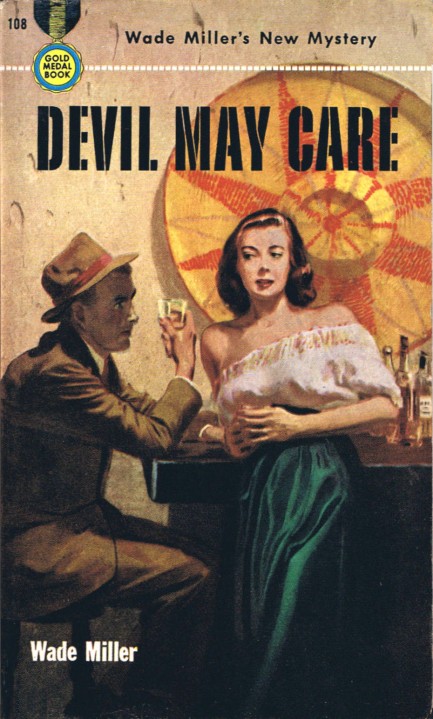
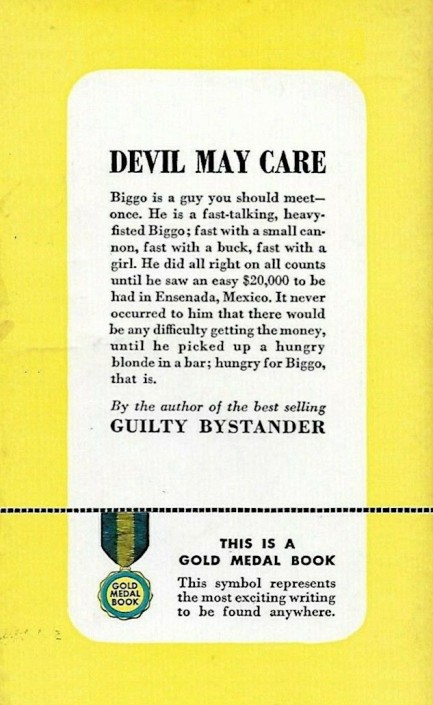
Vintage thrillers and films often used Mexico as a setting, and we very much enjoy when that happens, due to our own numerous trips to the country and the many fond memories they produced. Wade Miller's 1950 novel Devil May Care takes readers to Mexico and does a better job of it than most books we've read. The trip happens when soldier of fortune Biggo Venn is sent to Ensenada on a mission that promises to profit him $10,000. Unfortunately, Biggo's contact turns up murdered, and out of caution he decides the smartest move is to wait for the unknown killer or killers to reveal themselves. He lays low and plays the role of gringo tourist. While doing so he meets up with a hard luck American named Jinny and a beautiful local named Pabla, both of whom are romantic interests, though in Jinny's case it's a love-hate dynamic.
Plenty happens with Jinny and Pabla, but Biggo's most portentous encounter is with fellow soldier of fortune Lew Hardesty, who's not only a rival suitor for both women, but keeps trying to horn in on Biggo's caper. The two eventually get into a vicious fight that settles nothing except that Biggo, who's ten years older, is losing his edge (though he dislocates Hardesty's jaw before the man pushes it back into place and comes at Biggo like a whirlwind). It's a good scene in a fun book. In fact, we think Devil May Care is Wade Miller (a pseudonym for authors Bob Wade and Bill Miller) at his/their best. The story is well paced, exciting, sometimes sad, and often funny. The authors use the rough-edged mercenaries-at-large premise brilliantly, as in this exchange between Biggo and Hardesty:
Biggo growled, “I thought you were in Bolivia.” Just because he had met one of his own kind made the outlook no brighter. Hardesty was a comrade but something less than a friend. He had a knack for showing up where he wasn't wanted.
“I was. Now I'm here.”
“What happened?”
“Have you ever spent a summer in Bolivia? Very hot.”
Biggo understood the old pattern. Hardesty had been on the wrong side, whichever side happened to be losing that year. “Yes, Lew, I was thinking about you only the other night.”
“I love you too.”
“I know that. I remember the time you let me go out after that tiger in the Malay with a jimmied gun.”
Hardesty laughed. “That was a fine joke. Those man-killers are always old tigers, anyway. You've got more teeth than he had. Was that any worse than shipping me that opium in Transjordan? I sat in that mud jail for two months until one of your shells knocked out a wall.”
Biggo laughed in turn. “That was the gunner's fault. He'd promised me a direct hit.”
Much of the dialogue features similar banter, and not just between the soldiers. Hard luck Jinny can quip with the best of them:
Jinny said faintly, “I thought you went to jail.” She looked ready to be sick. She held a cracker halfway to her mouth, forgotten.
“Can't keep a good man down, honey.”
“What's that got to do with you?”
In the end the killers reveal themselves and Biggo—by now seeking revenge as well as a payoff—brings hell directly to their doorstep, or in this case to their yacht in the harbor. The climax brings a surprise or two, and Biggo's fate hinges upon who to trust, and who not to. Devil May Care is a wide-open sort of tale about dangerous men, but its title proves to be contradictory. Biggo pretends not to care about anything except the next mission and the next exotic port of call, but his acceptance of his own aging and his slim hope for retirement and a restful old age matter—in the end—more than anything else. The book has some moments that might make modern readers quail, but all the portrayals and reactions make sense in context. We loved this one.
 You paid the cover charge to get in. Now you have to pay the uncover charge or get out. 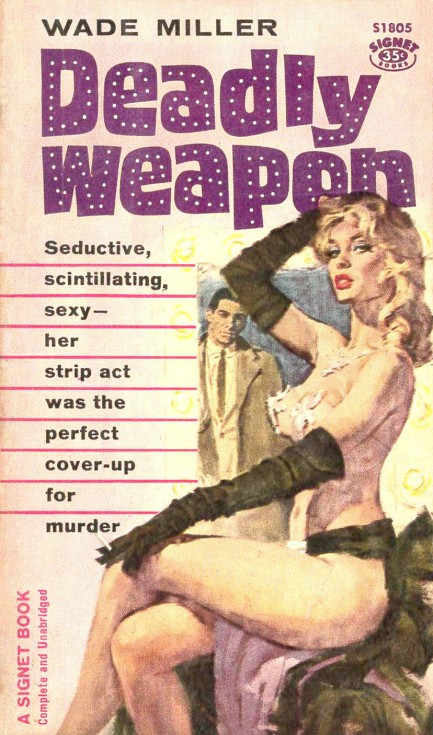
The brush behind this cover for Wade Miller's 1946 debut thriller Deadly Weapon was paperback vet Bob Abbett, and it's one of his better pieces in a portfolio filled with top efforts. The book is good too. It's about an Atlanta detective who drives to San Diego to avenge the death of his partner, and as befits such a concept, features excellent Sam Spade-like repartee between main character Walter James and a local cop named Austin Clapp. Some of the action is centered around a burlesque theatre and its headlining peeler Shasta Lynn, but the deadly weapon isn't a femme fatale, as implied by the art, but Walter James himself. The man is hell on wheels. He even uses his car to ram another auto and its occupants over a cliff. Overall, Deadly Weapon is well written, well paced, and well characterized (if a bit saccharine in the romantic subplot). Wade Miller—who was really Bob Wade and Bill Miller acting as one—started his/their career on a good note with this one.
 She purrs but only when she's thinking about destroying you. 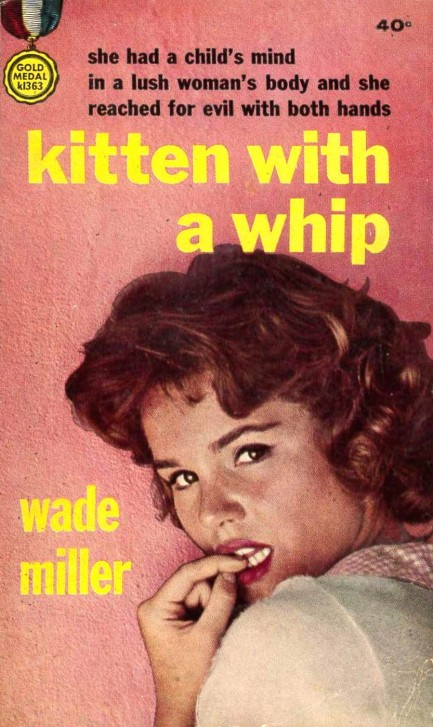
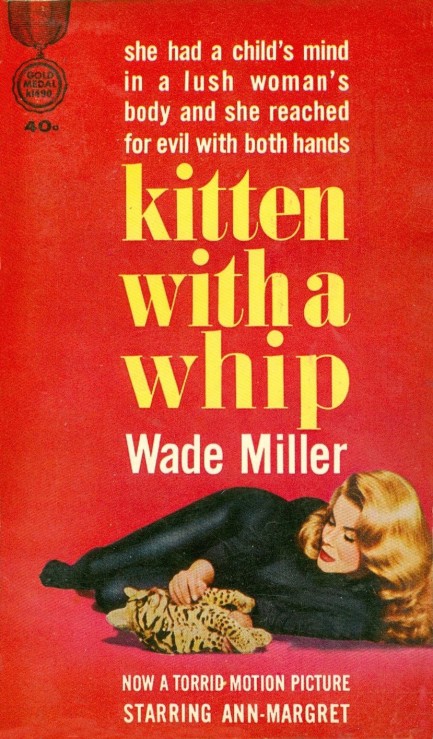
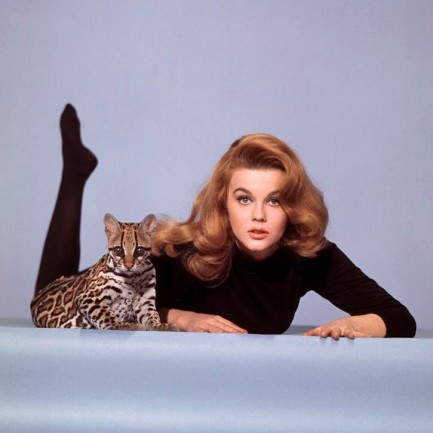
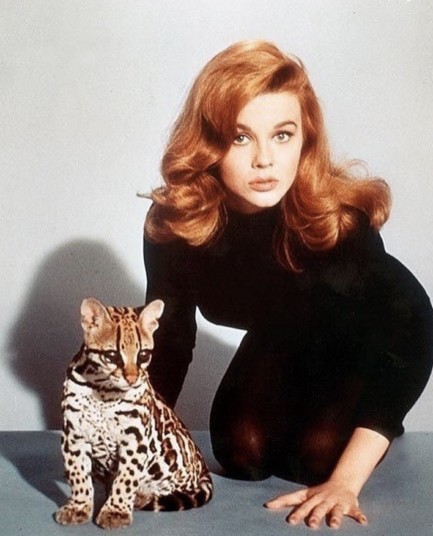
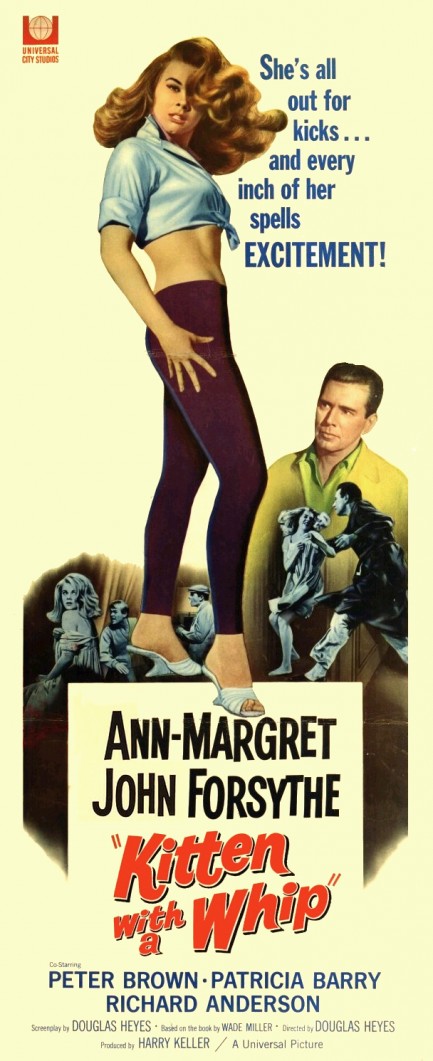
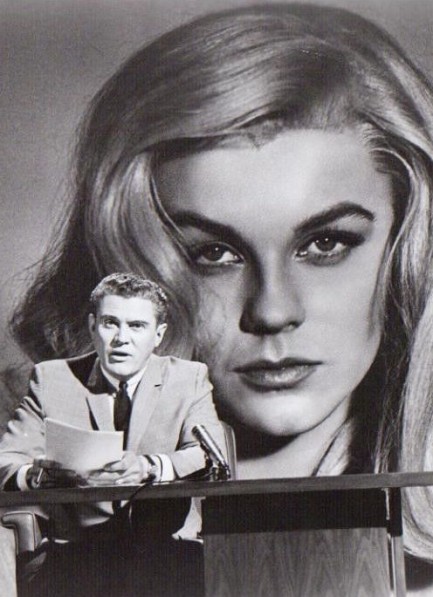
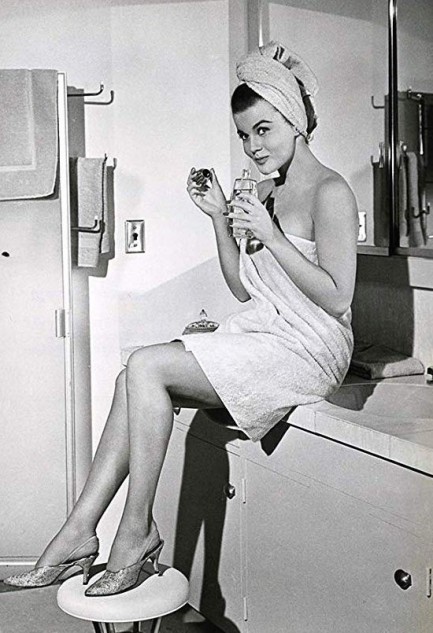
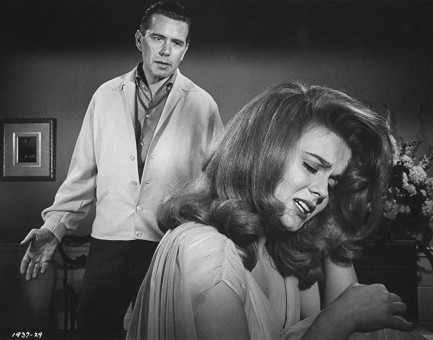
This edition of Wade Miller's iconic sleazer teaser Kitten with a Whip is a rarity and it came from Gold Medal in 1963. There's a moment early in the narrative when the hapless protagonist David turns on a news report about the seventeen-year-old sexpot invader occupying his home. Up until then the girl, whose name is Jody, has been in David's house tormenting him only a few hours, but is threatening to ruin his life with lies that they've been shacked up having a grand old time, or that he tried to rape her. David is paralyzed with fear that his wife, neighbors, and employer will believe her. But in that moment when the entire city is told the girl is a violent psycho who escaped her confinement a mere twelve hours earlier by stabbing a matron, David doesn't realize nobody will believe anything she says—not his employers, not his neighbors, and certainly not his wife—as long as he turns her in then and there. “I woke up, found her in my house, bought her some clothes because she had none, gave her money for a bus out of town—and instead of leaving she decided to stay and blackmail me.” He'd be believed, beyond a doubt. But he never makes the call. So he really deserves everything that happens afterward. But the book is a classic for a reason. It's a fun, crazy read.
 The ultimate hunt is one where the prey can shoot back. 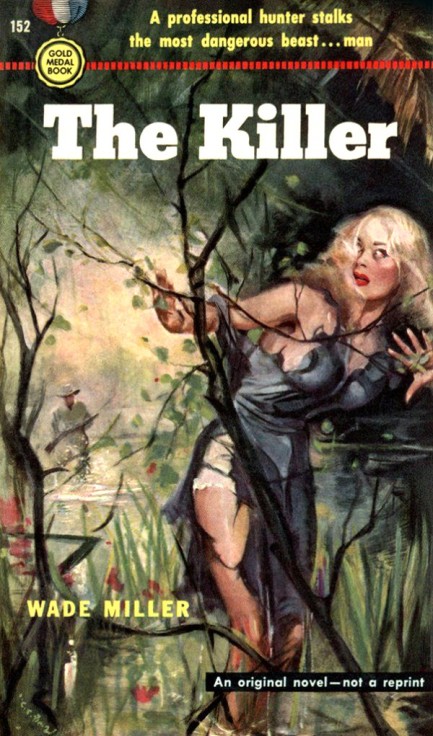 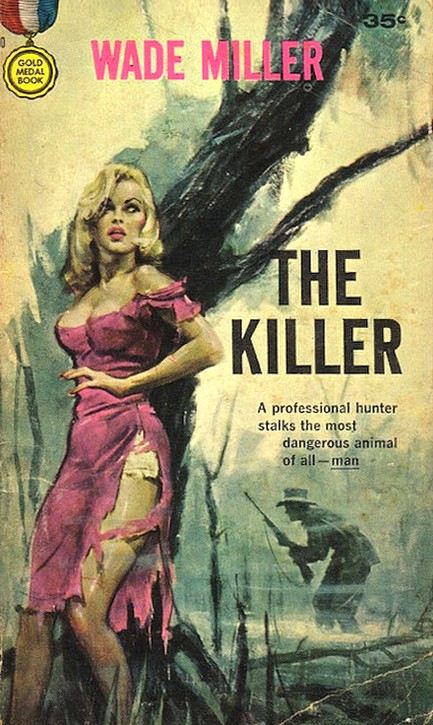
The cover copy perhaps gives the impression Wade Miller's The Killer is about a hunter who goes after human prey for sport, but it's actually about a man who hires a professional big game hunter to track down and kill his son's murderer. While the hero uses his unique skill set to lay a trap or two and make some interesting deductions, the story is a standard thriller. But a pretty good one, set in different locales in the U.S., with a few decent twists and a nice—if somewhat overwrought—love story. Both covers from Gold Medal were compelling, with art by C.C. Beall and an unknown, 1951 and 1958.
 Beauty and the beasts. 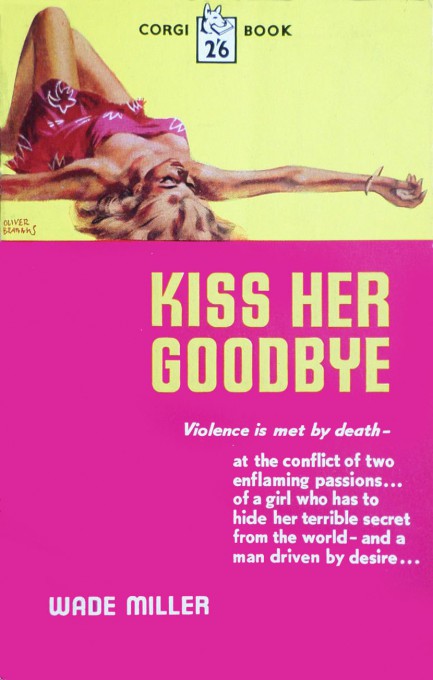
Wade Miller was a shared pseudonym of Robert Wade and William Miller, and in Kiss Her Goodbye they tell the tale of a pair of siblings—a steady, responsible brother named Ed and his childlike but beautiful sister Emily. By childlike, we mean she’s fully grown but was stricken in her youth by some kind of brain ailment, maybe encephalitis, that stunted her mental development. She violently explodes when men make sexual advances toward her, something that happens constantly because, well, mainly because men are scum, but also because bombshell Emily is friendly toward strangers. You can imagine where this all leads. We’ve shared quite a few fronts from Corgi Books this year and this one from British artist Oliver Brabbins is especially nice with its color blocking and sprawled figure. Truly excellent work, and the book is good too. We have another piece from Brabbins here, and we’ll definitely have more later.
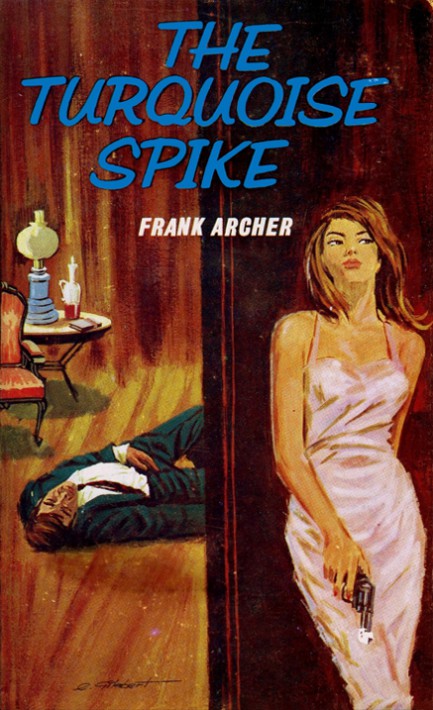
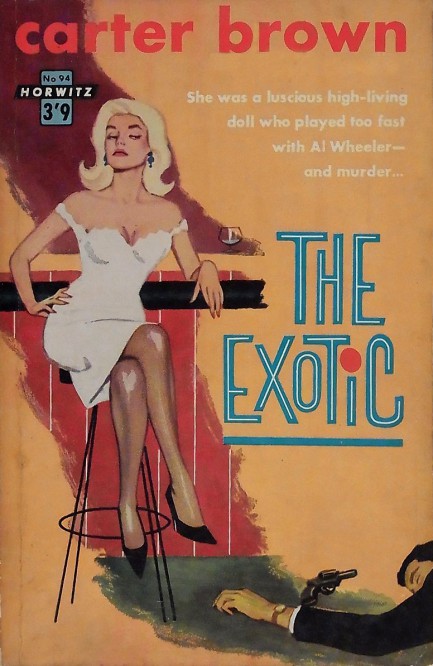
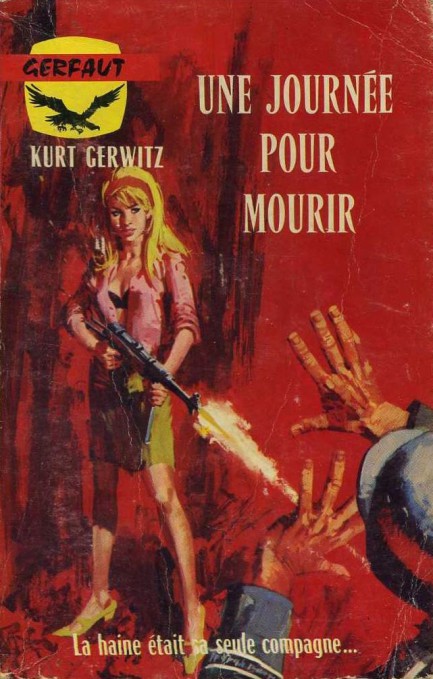
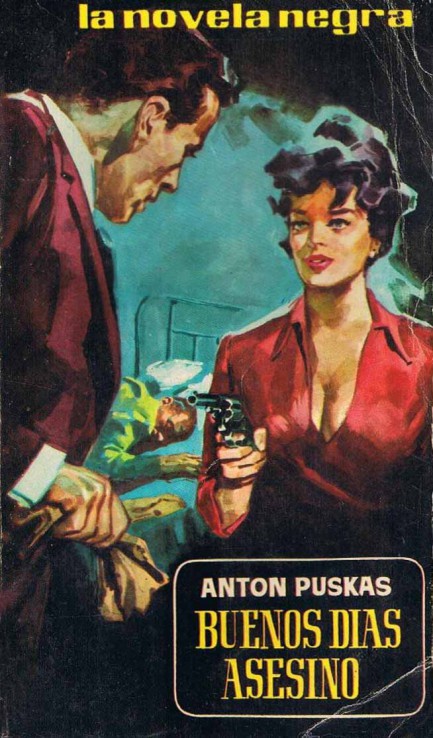
 What do you call forty dead men? A good start. 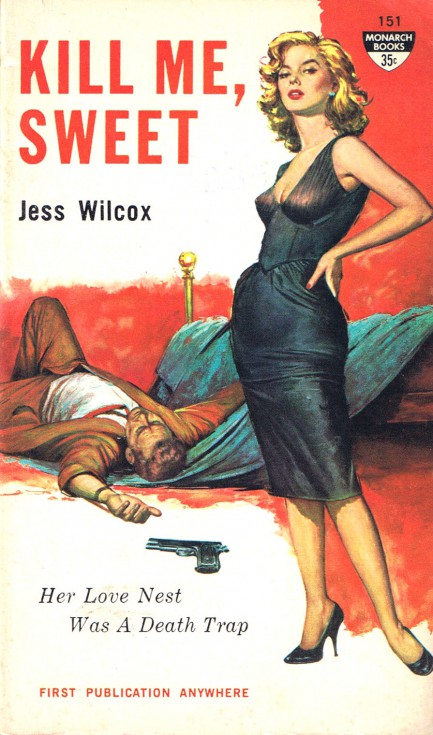
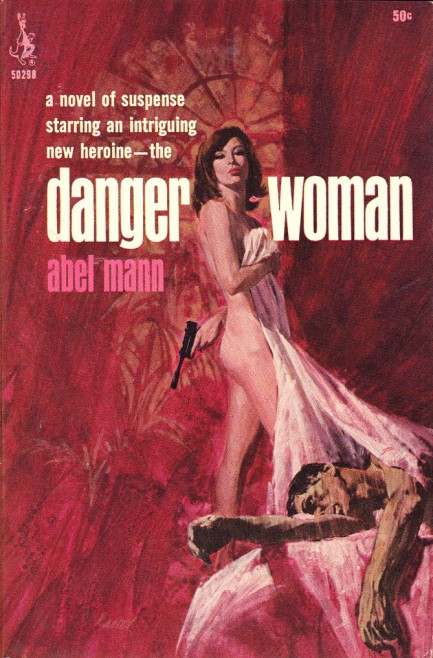
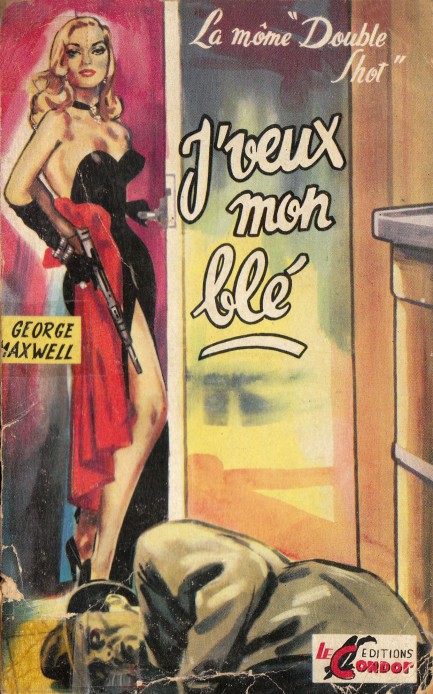
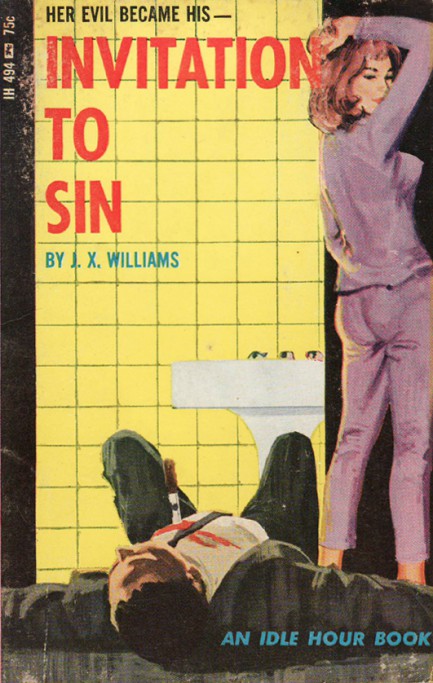
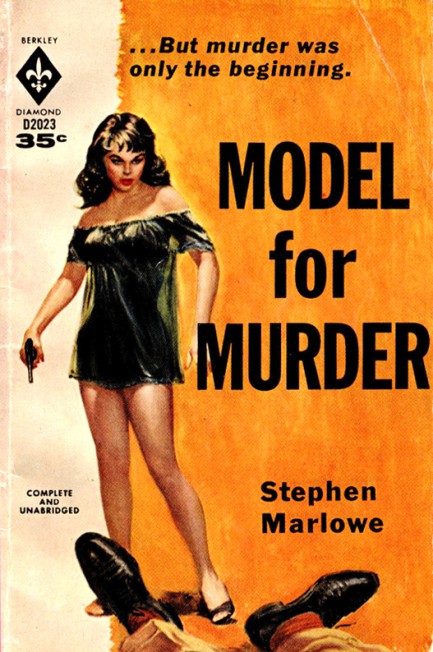
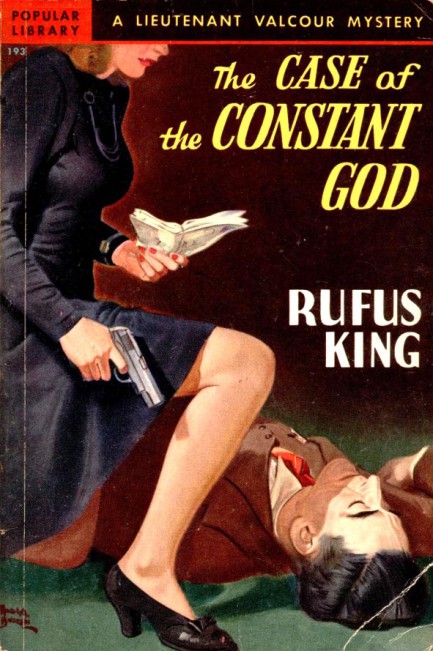
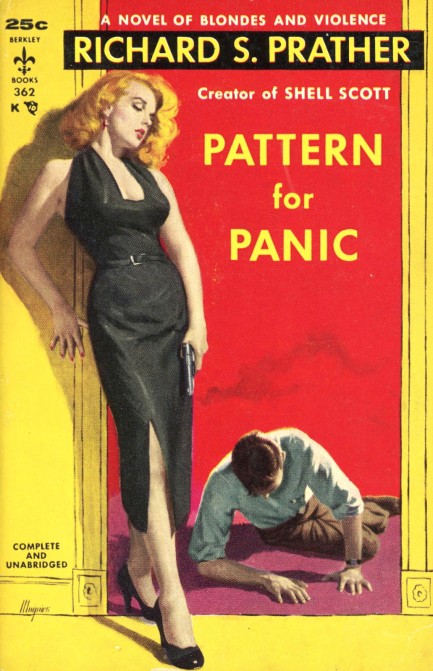
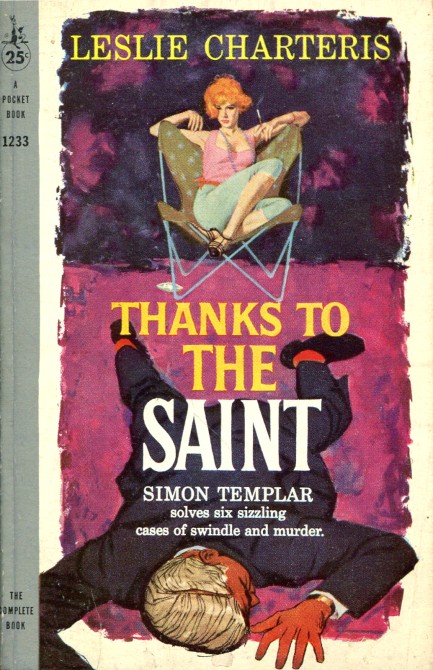
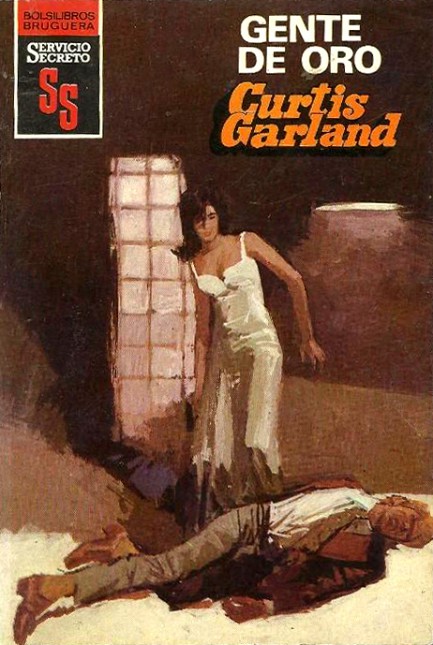
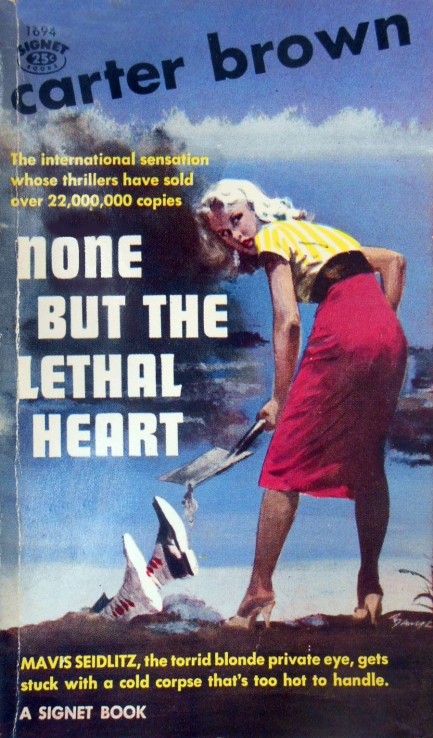
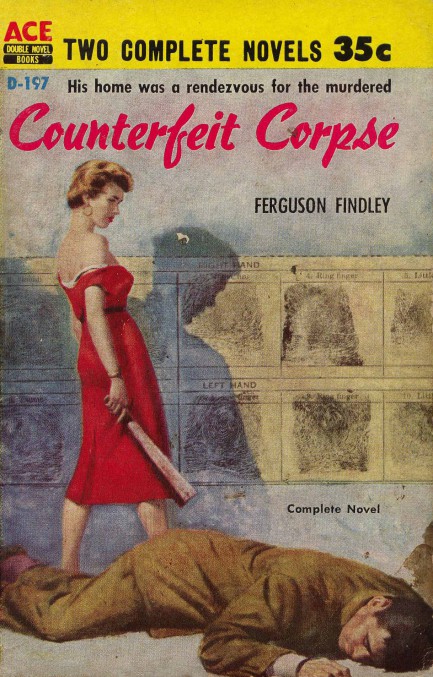
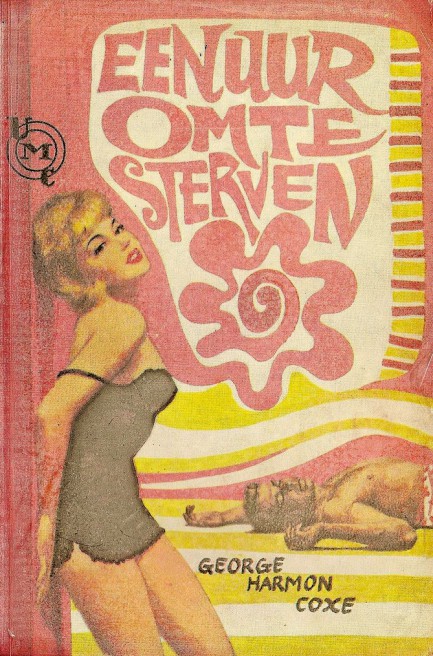
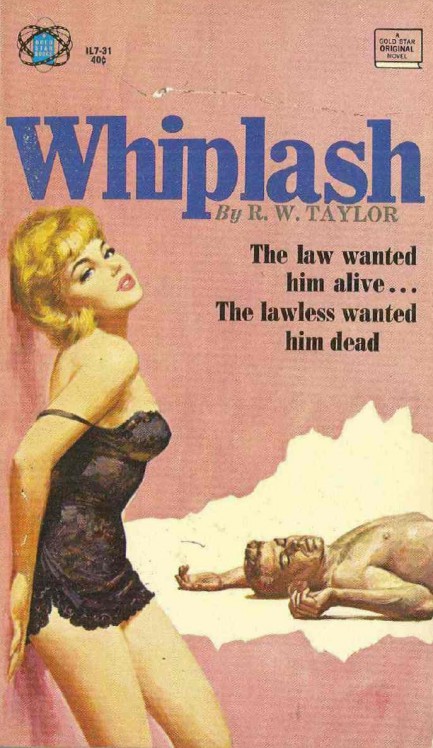
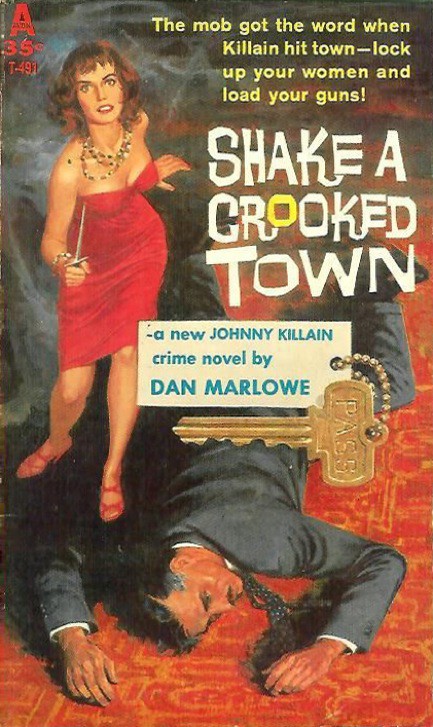
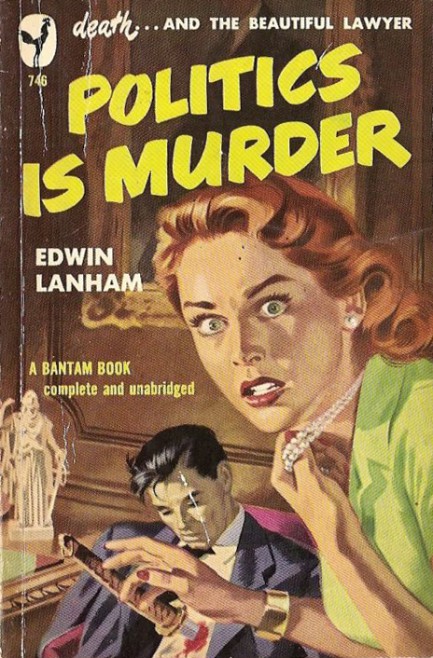
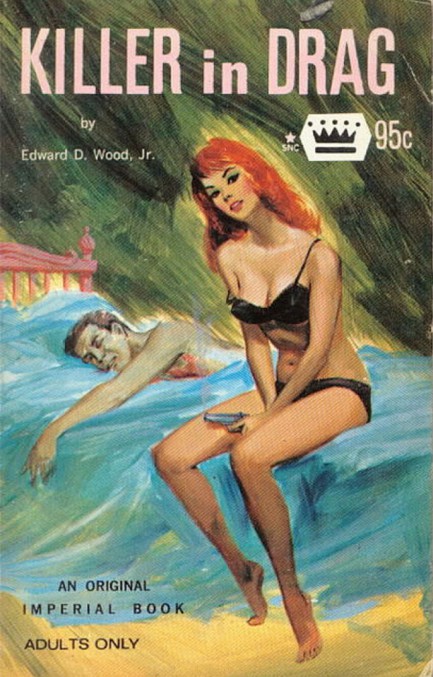
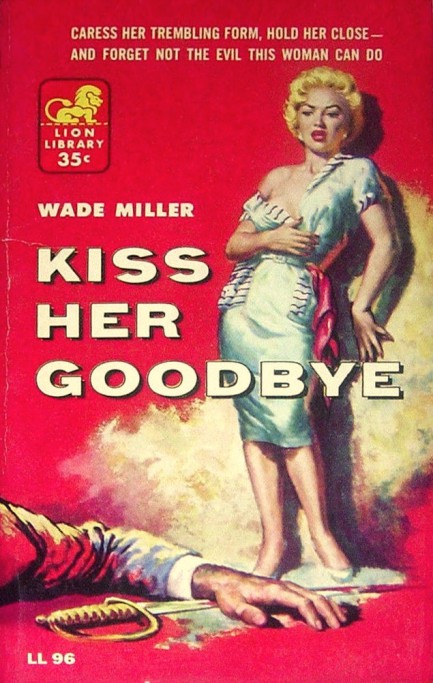
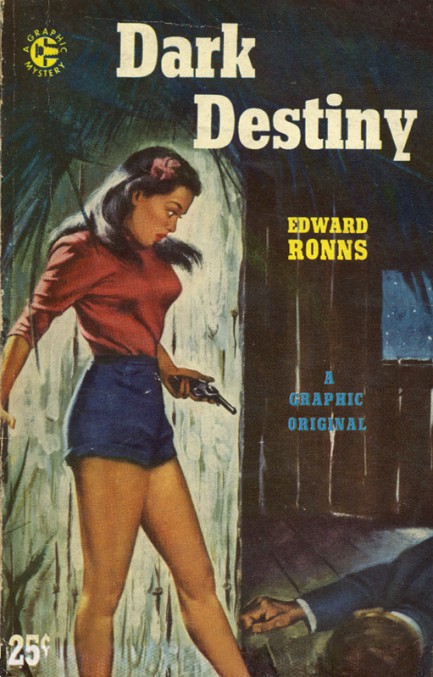
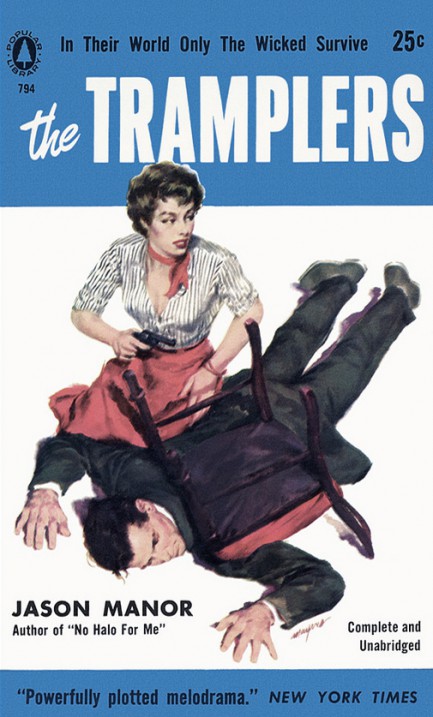
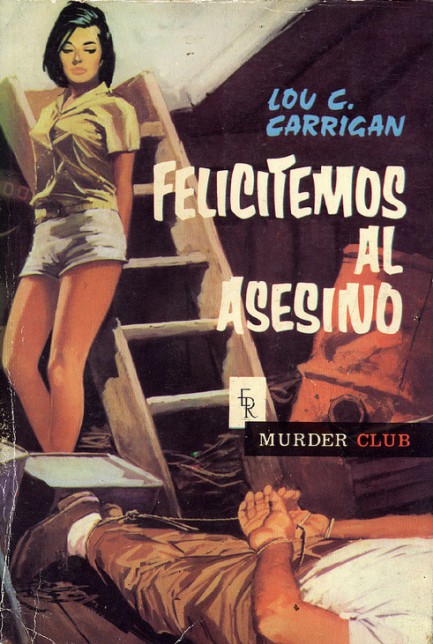
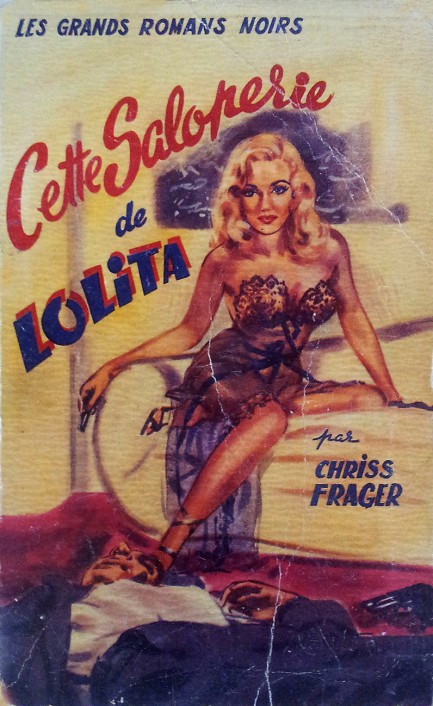
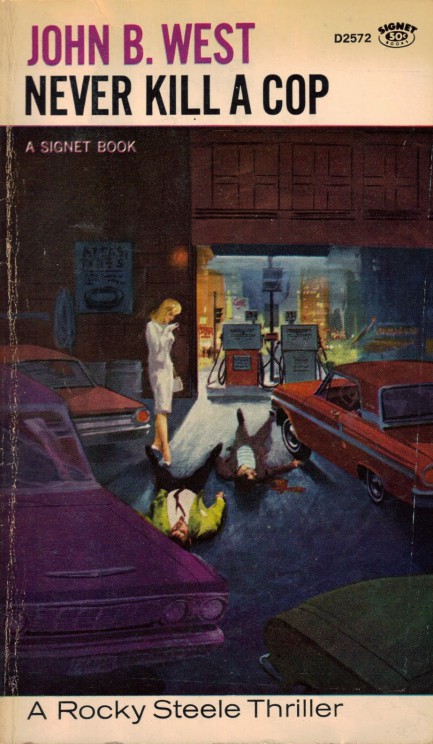
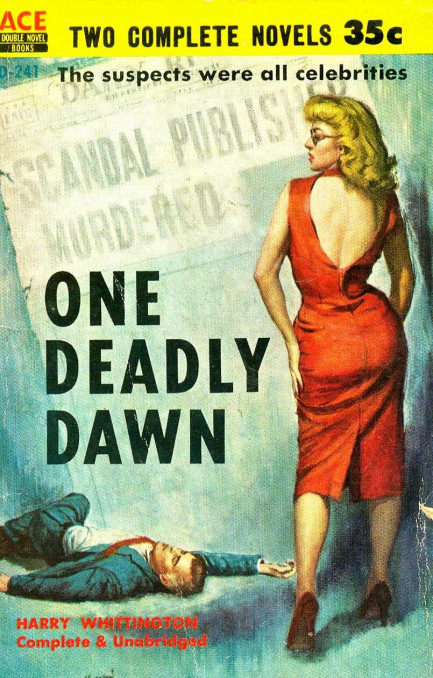
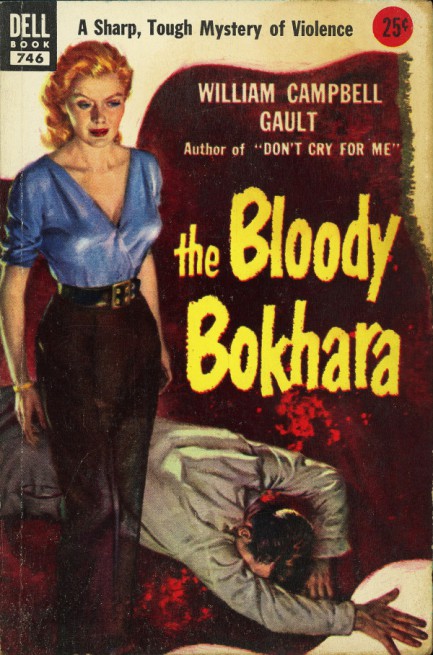
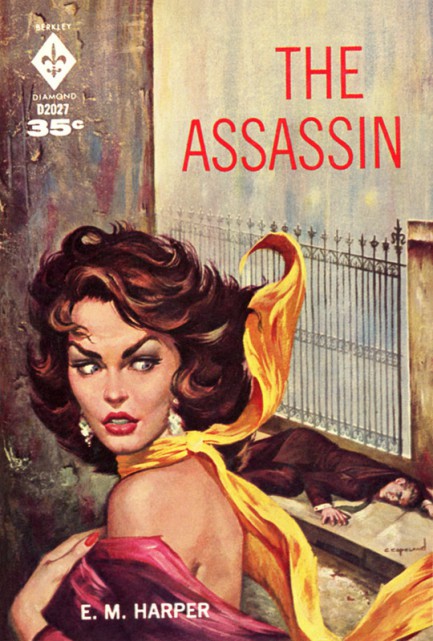
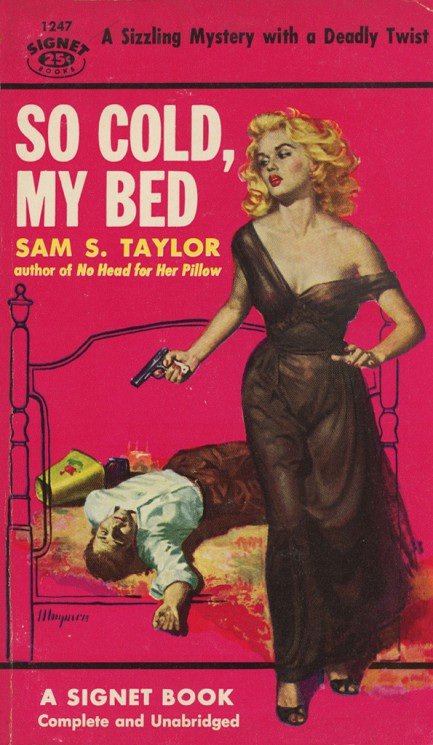
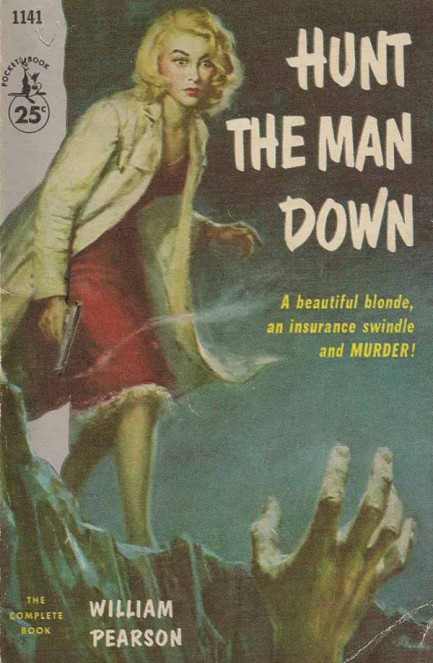
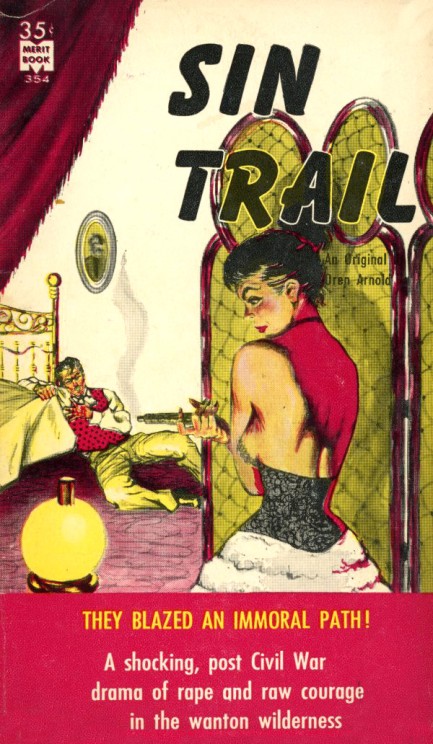
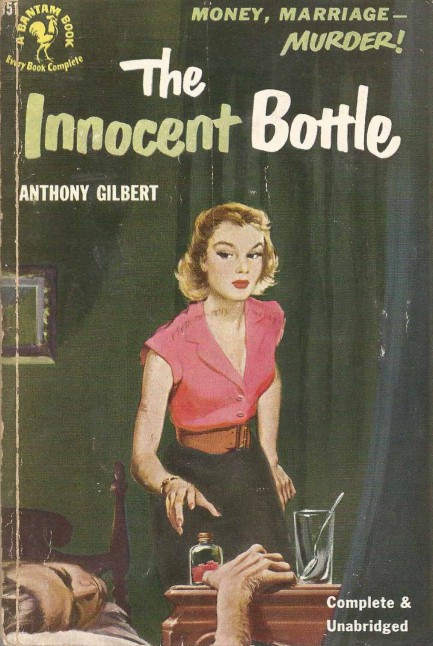
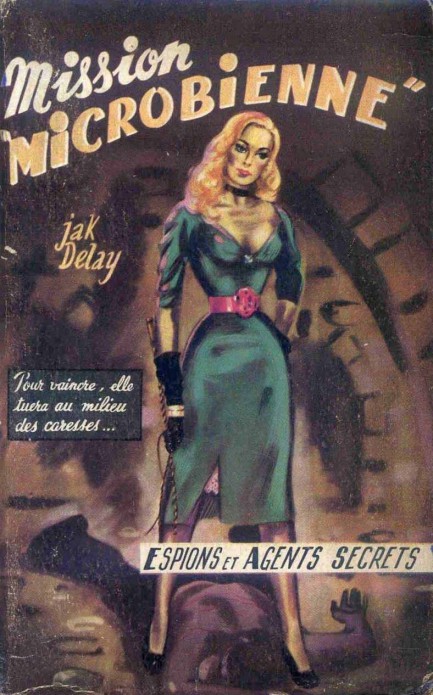
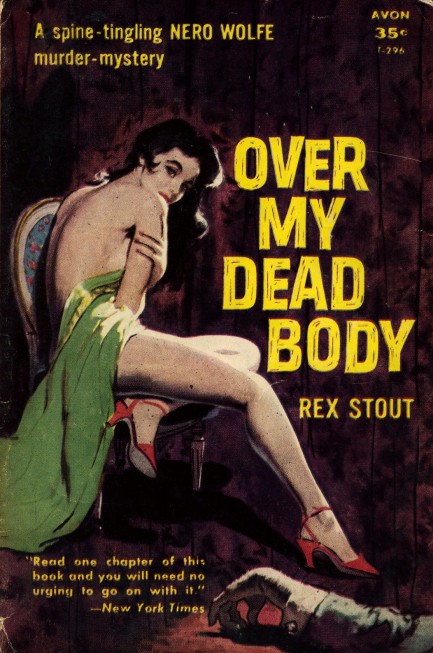
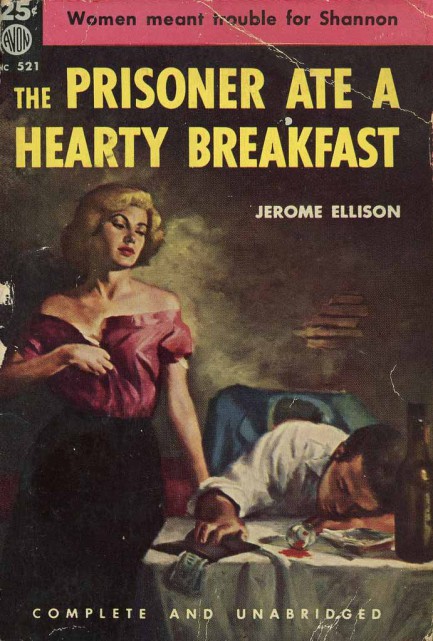
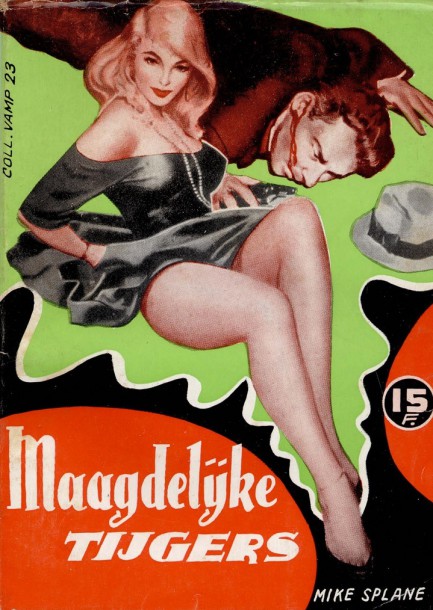
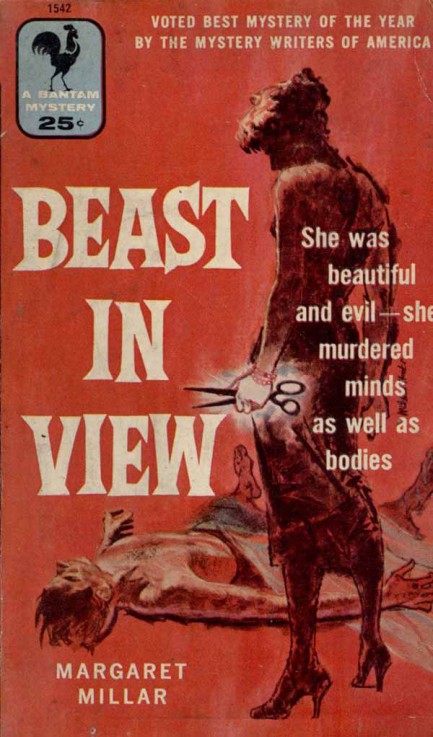
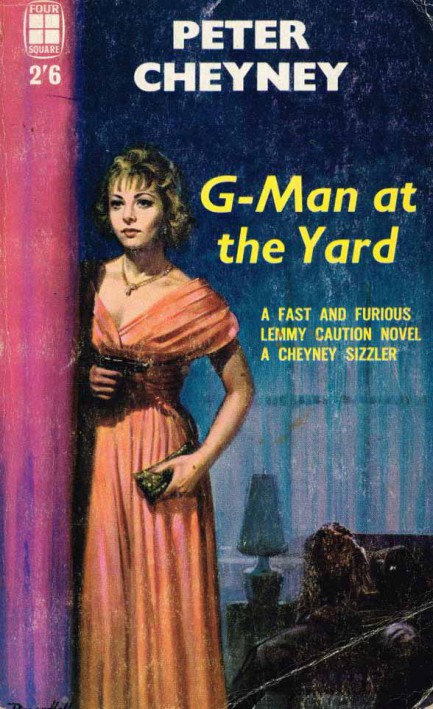
Two years ago we shared five covers of women standing over men they had just killed and mentioned that there were many examples in vintage cover art of that particular theme. Today we’ve decided to revisit the idea in order to reiterate just how often women in pulp are the movers and shakers—and shooters and stabbers and clubbers and poisoners and scissorers. Now if they do this about a billion more times they’ll really be making a difference that counts. French publishers, interestingly, were unusually fond of this theme—so egalitarian of them. That’s why many of the covers here are from France, including one—for which we admit we bent the rules of the collection a bit, because the victim isn’t dead quite yet—of a woman actually machine gunning some hapless dude. But what a great cover. We also have a couple of Spanish killer femmes, and a Dutch example or two. Because we wanted to be comprehensive, the collection is large and some of the fronts are quite famous, but a good portion are also probably new to you. Art is by the usual suspects—Robert Maguire, Barye Phillips, Alex Piñon, Robert Bonfils, Robert McGinnis, Rudolph Belarski, et al. Enjoy.

|
 |
The headlines that mattered yesteryear.
1986—Otto Preminger Dies
Austro–Hungarian film director Otto Preminger, who directed such eternal classics as Laura, Anatomy of a Murder, Carmen Jones, The Man with the Golden Arm, and Stalag 17, and for his efforts earned a star on Hollywood's Walk of Fame, dies in New York City, aged 80, from cancer and Alzheimer's disease. 1998—James Earl Ray Dies
The convicted assassin of American civil rights leader Martin Luther King, Jr., petty criminal James Earl Ray, dies in prison of hepatitis aged 70, protesting his innocence as he had for decades. Members of the King family who supported Ray's fight to clear his name believed the U.S. Government had been involved in Dr. King's killing, but with Ray's death such questions became moot. 1912—Pravda Is Founded
The newspaper Pravda, or Truth, known as the voice of the Communist Party of the Soviet Union, begins publication in Saint Petersburg. It is one of the country's leading newspapers until 1991, when it is closed down by decree of then-President Boris Yeltsin. A number of other Pravdas appear afterward, including an internet site and a tabloid. 1983—Hitler's Diaries Found
The German magazine Der Stern claims that Adolf Hitler's diaries had been found in wreckage in East Germany. The magazine had paid 10 million German marks for the sixty small books, plus a volume about Rudolf Hess's flight to the United Kingdom, covering the period from 1932 to 1945. But the diaries are subsequently revealed to be fakes written by Konrad Kujau, a notorious Stuttgart forger. Both he and Stern journalist Gerd Heidemann go to trial in 1985 and are each sentenced to 42 months in prison. 1918—The Red Baron Is Shot Down
German WWI fighter ace Manfred von Richthofen, better known as The Red Baron, sustains a fatal wound while flying over Vaux sur Somme in France. Von Richthofen, shot through the heart, manages a hasty emergency landing before dying in the cockpit of his plane. His last word, according to one witness, is "Kaputt." The Red Baron was the most successful flying ace during the war, having shot down at least 80 enemy airplanes. 1964—Satellite Spreads Radioactivity
An American-made Transit satellite, which had been designed to track submarines, fails to reach orbit after launch and disperses its highly radioactive two pound plutonium power source over a wide area as it breaks up re-entering the atmosphere.
|

|
|
It's easy. We have an uploader that makes it a snap. Use it to submit your art, text, header, and subhead. Your post can be funny, serious, or anything in between, as long as it's vintage pulp. You'll get a byline and experience the fleeting pride of free authorship. We'll edit your post for typos, but the rest is up to you. Click here to give us your best shot.
|
|