Mid-century sex symbol provides inspiration for nuclear erotica. 
This unusual piece of art was made by a French artist named Jacques Puiseux, whose work we've shared here before. We happened to be in contact with him recently, and he sent this our way to enjoy. He painted it back in 1999, and it suggests Brigitte Bardot and the French nuclear tests at Mururoa Atoll, combined to create “a graphic pun of a sex bomb.” Appropriately, he calls it “Vénus Atomica.” We dig it, and Jacques' other art too, which you can see by clicking his keywords below. Just a little something different for you this lovely Thursday. Also, Jacques has a Flickr gallery here.
 Movie stars were always willing to give each other a hand. 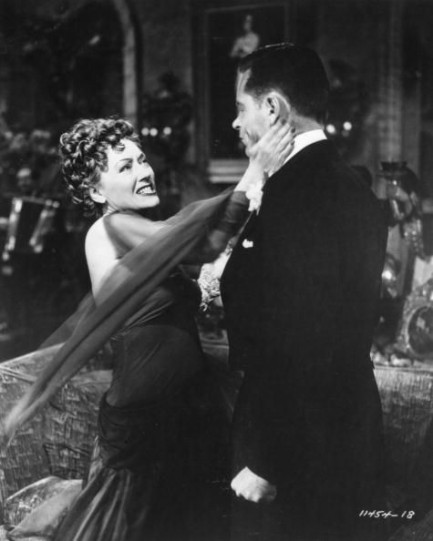
Once again we've been struck, so to speak, by the sheer number of cinema promo images featuring actors and actresses pretending to slap each other. The just keep turning up. The above shot is more about the neck than the face, but it still counts, as Gloria Swanson slaps William Holden in 1950's Sunset Boulevard. Below we have a bunch more, and you can see our previous collection at this link. Since we already discussed this phenomenon we won't get into it again, except briefly as follows: pretend slaps, film is not reality, and everyone should try to remember the difference. Many slaps below for your interest and wonder. 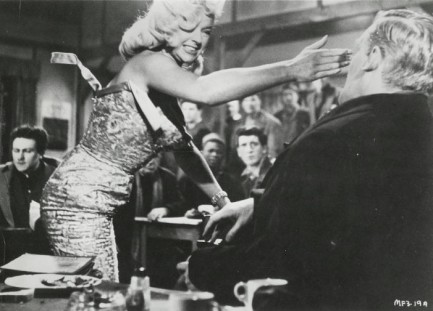 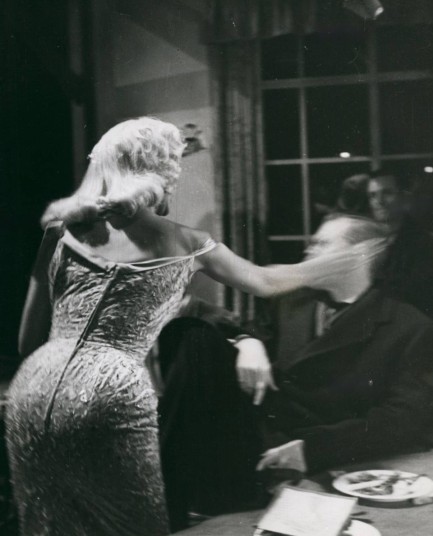 Diana Dors smacks Patrick Allen blurry in 1957's The Long Haul. Diana Dors smacks Patrick Allen blurry in 1957's The Long Haul.
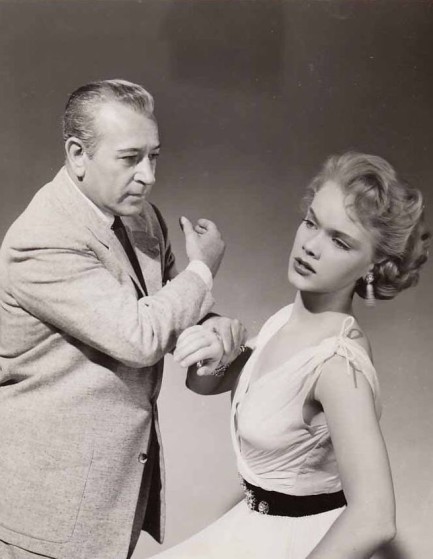 Mob boss George Raft menaces Anne Francis in a promo image made for 1954's Rogue Cop. Mob boss George Raft menaces Anne Francis in a promo image made for 1954's Rogue Cop.
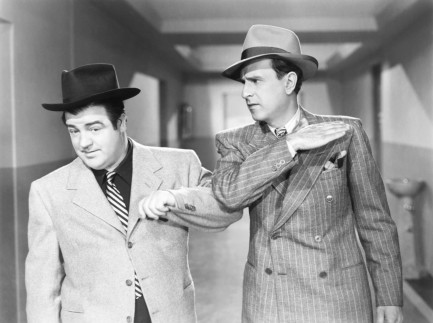 Bud Abbott gets aggressive with Lou Costello in 1945's Here Come the Co-Eds. Bud Abbott gets aggressive with Lou Costello in 1945's Here Come the Co-Eds.
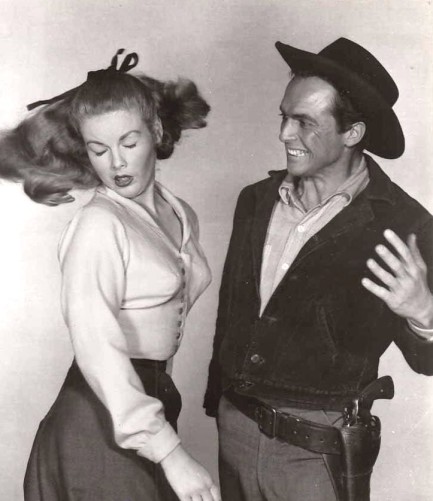 Jo Morrow takes one from black hat Jack Hogan in 1959's The Legend of Tom Dooley. Jo Morrow takes one from black hat Jack Hogan in 1959's The Legend of Tom Dooley.
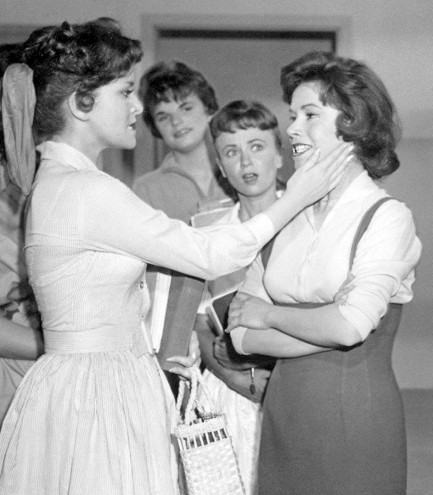 Chris Robinson and Anita Sands get a couple of things straight about who's on the yearbook committee in Diary of High School Bride. Chris Robinson and Anita Sands get a couple of things straight about who's on the yearbook committee in Diary of High School Bride.
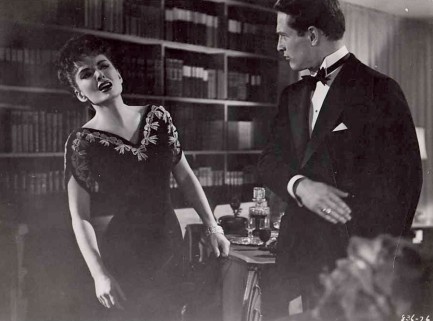 Paul Newman and Ann Blyth agree to disagree in 1957's The Helen Morgan Story. Paul Newman and Ann Blyth agree to disagree in 1957's The Helen Morgan Story.
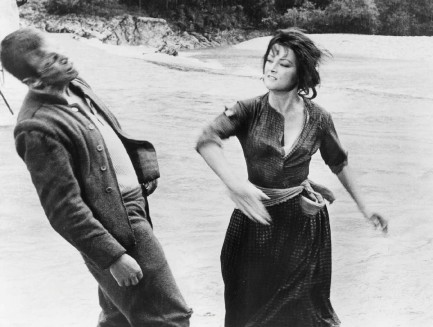 Verna Lisi shows Umberto Orsini who gives the orders in the 1967 film La ragazza e il generale, aka The Girl and the General. Verna Lisi shows Umberto Orsini who gives the orders in the 1967 film La ragazza e il generale, aka The Girl and the General.
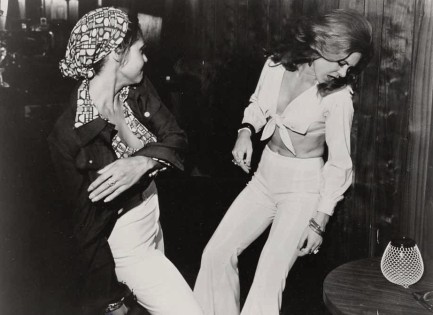 What the fuck did you just call me? Marki Bey slaps Betty Anne Rees loopy in the 1974 horror flick Sugar Hill. What the fuck did you just call me? Marki Bey slaps Betty Anne Rees loopy in the 1974 horror flick Sugar Hill.
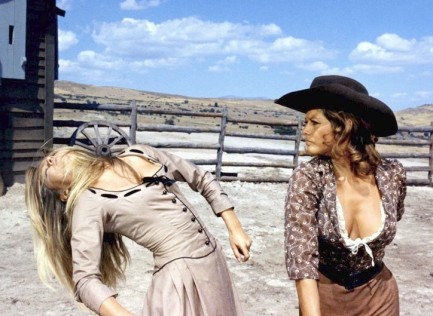 Claudia Cardinale slaps (or maybe punches—we can't remember) Brigitte Bardot in the 1971 western Les pétroleuses, known in English for some reason as The Legend of Frenchie King. Claudia Cardinale slaps (or maybe punches—we can't remember) Brigitte Bardot in the 1971 western Les pétroleuses, known in English for some reason as The Legend of Frenchie King.
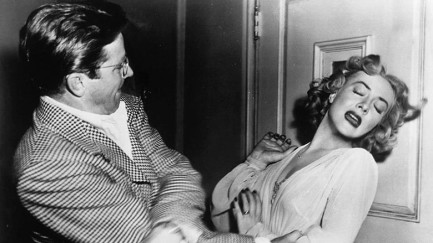 Audrey Totter reels under the attentions of Richard Basehart in 1949 Tension. We're thinking it was probably even more tense after this moment. Audrey Totter reels under the attentions of Richard Basehart in 1949 Tension. We're thinking it was probably even more tense after this moment.
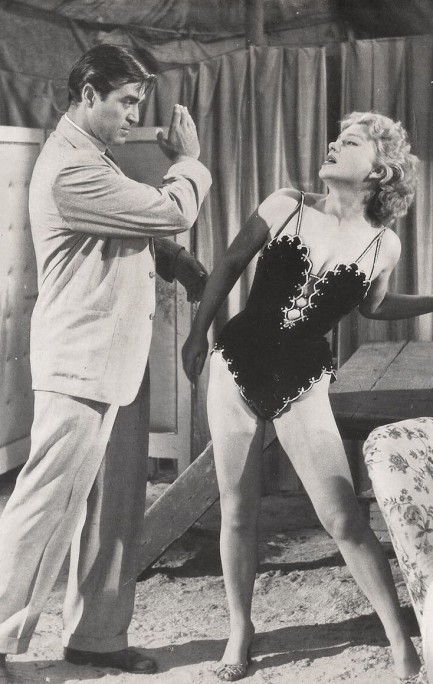 Anne Baxter tries to no avail to avoid a slap from heel Steve Cochran in 1954's Carnival Story. Anne Baxter tries to no avail to avoid a slap from heel Steve Cochran in 1954's Carnival Story.
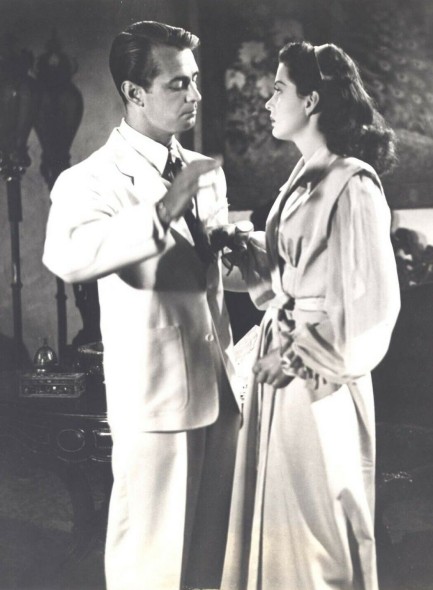 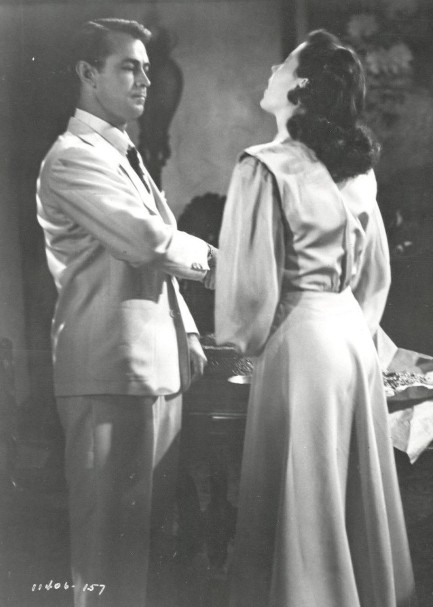 Though Alan Ladd was a little guy who Gail Russell probably could have roughed up if she wanted, the script called for him to slap her, and he obeyed in the 1946 adventure Calcutta. Though Alan Ladd was a little guy who Gail Russell probably could have roughed up if she wanted, the script called for him to slap her, and he obeyed in the 1946 adventure Calcutta.
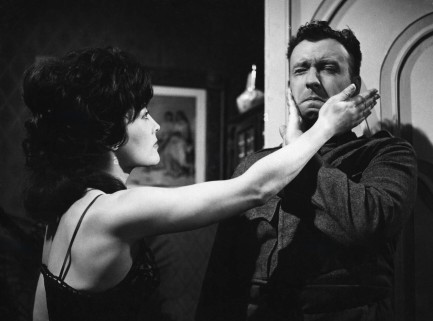 Peter Alexander guards his right cheek, therefore Hannelore Auer crosses him up and attacks his left in 1964's Schwejk's Flegeljahre, aka Schweik's Years of Indiscretion. Peter Alexander guards his right cheek, therefore Hannelore Auer crosses him up and attacks his left in 1964's Schwejk's Flegeljahre, aka Schweik's Years of Indiscretion.
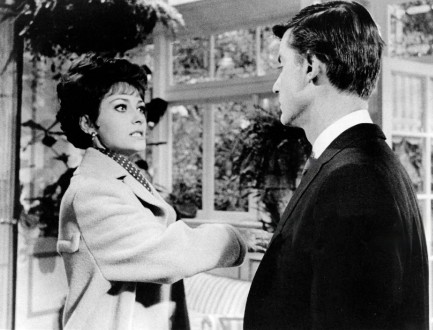 Elizabeth Ashley gives Roddy McDowall a facial in in 1965's The Third Day. Elizabeth Ashley gives Roddy McDowall a facial in in 1965's The Third Day.
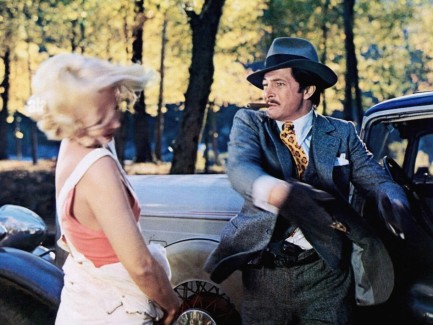 Tony Anthony slaps Lucretia Love in 1972's Piazza pulita, aka Pete, Pearl and the Pole. Tony Anthony slaps Lucretia Love in 1972's Piazza pulita, aka Pete, Pearl and the Pole. 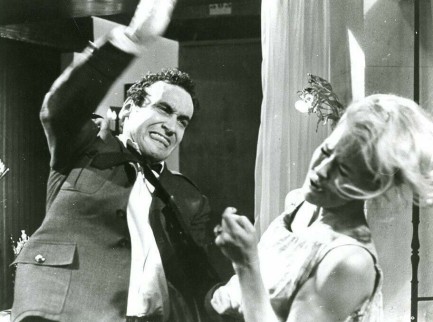 André Oumansky goes backhand on Lola Albright in 1964's Joy House. André Oumansky goes backhand on Lola Albright in 1964's Joy House.
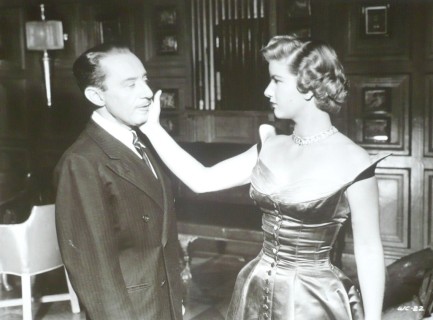 Frank Ferguson catches one from Barbara Bel Geddes in the 1949 drama Caught. Frank Ferguson catches one from Barbara Bel Geddes in the 1949 drama Caught.
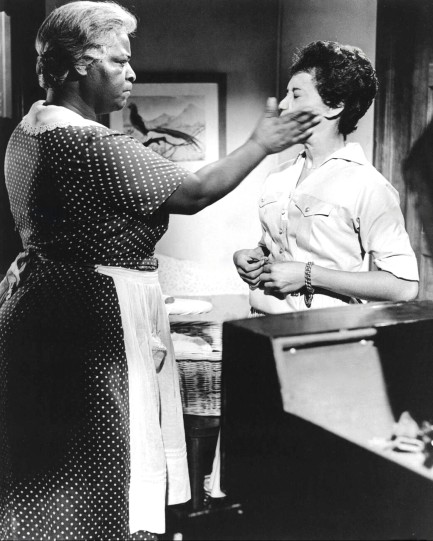 This looks like a real slap, so you have to credit the actresses for their commitment. It's from 1961's Raisin in the Sun and shows Claudia McNeil rearranging the face of Diana Sands. This looks like a real slap, so you have to credit the actresses for their commitment. It's from 1961's Raisin in the Sun and shows Claudia McNeil rearranging the face of Diana Sands.
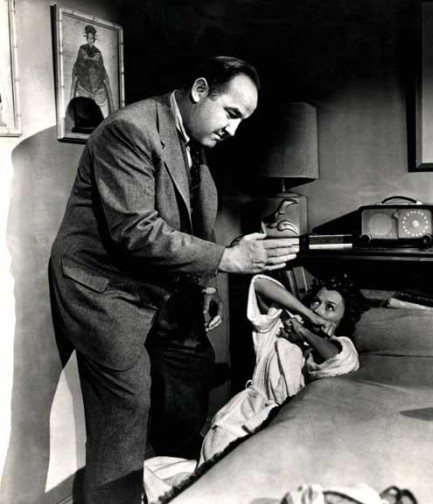 Gloria Grahame finds herself cornered by Broderick Crawford in 1954's Human Desire. Gloria Grahame finds herself cornered by Broderick Crawford in 1954's Human Desire.
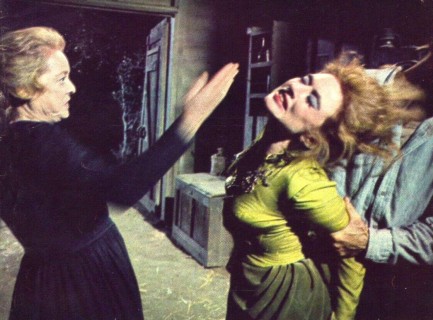 Bette Davis, an experienced slapper and slappee, gets a little assistance from an unidentified third party as she goes Old West on Amanda Blake in a 1966 episode of Gunsmoke called “The Jailer.” Bette Davis, an experienced slapper and slappee, gets a little assistance from an unidentified third party as she goes Old West on Amanda Blake in a 1966 episode of Gunsmoke called “The Jailer.”
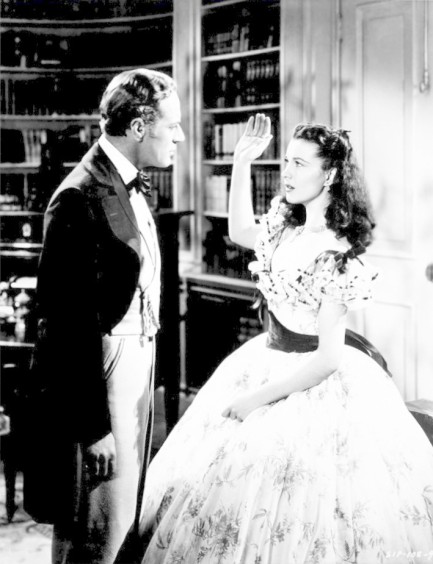 There are a few slaps in 1939's Gone with the Wind, so we had our pick. We went with Vivien Leigh and Leslie Howard. There are a few slaps in 1939's Gone with the Wind, so we had our pick. We went with Vivien Leigh and Leslie Howard.
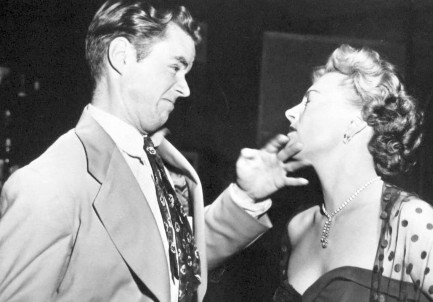 Virginia Field takes one on the chin from Marshall Thompson in Dial 1119. Virginia Field takes one on the chin from Marshall Thompson in Dial 1119.
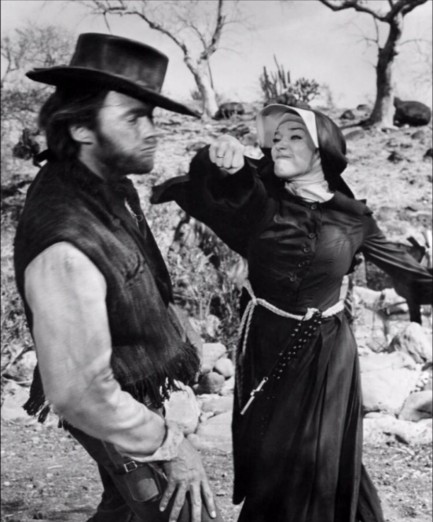 Clint Eastwood absorbs a right cross from nun Shirley MacLaine in 1970's Two Mules for Sister Sara. Clint Eastwood absorbs a right cross from nun Shirley MacLaine in 1970's Two Mules for Sister Sara.
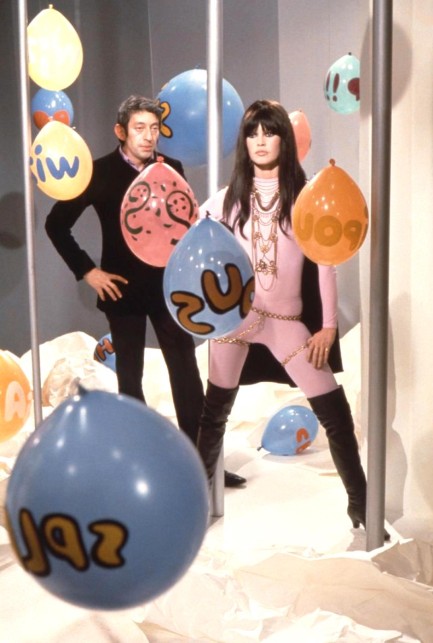
 I've shattered censorship barriers and redefined French cinema! My work here is done! 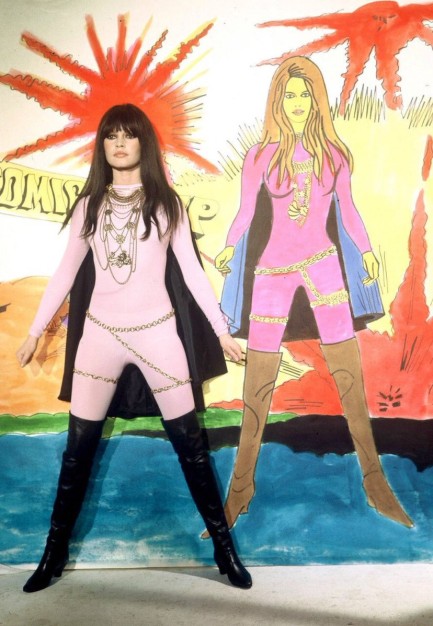
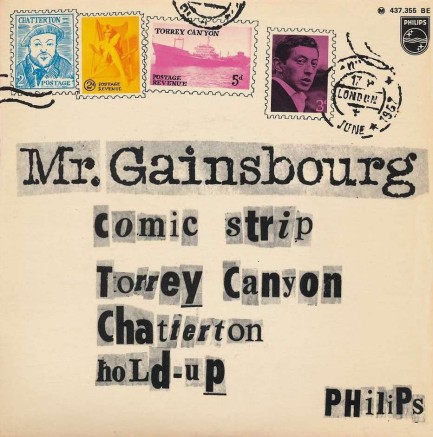 French cinema luminary Brigitte Bardot is easy to recognize even in a wig and wild costume, as shown here in an image from 1967. It was made when she appeared in singer Serge Gainbourg's music video (yes, a few visionaries were making them that far back and ever farther) “Comic Strip.” French cinema luminary Brigitte Bardot is easy to recognize even in a wig and wild costume, as shown here in an image from 1967. It was made when she appeared in singer Serge Gainbourg's music video (yes, a few visionaries were making them that far back and ever farther) “Comic Strip.”
Serge went the literal route for his clip, which is why Bardot is dressed as a superhero and echoed by a comic strip-like version of herself. The song is literal too, with lyrics that include fight sound effects: “J'distribue les swings et les uppercuts. Ça fait VLAM !Ça fait SPLATCH! Et ça fait CHTUCK!” That all translates as, “I distribute swings and uppercuts. It's VLAM! It's SPLATCH! And that go CHTUCK!” You can hear the tune and see the video at this link.
Bardot made other videos in 1967 and 1968. We think “Contact” is particularly interesting. But only a few years after achieving something as cutting edge as helping to popularize the most important promotional tool used by music artists even today, she retired from performances on both the small and large screen to focus on other pursuits. Below, you see her with Serge.
 Markov plants vivid ideas in readers' heads. 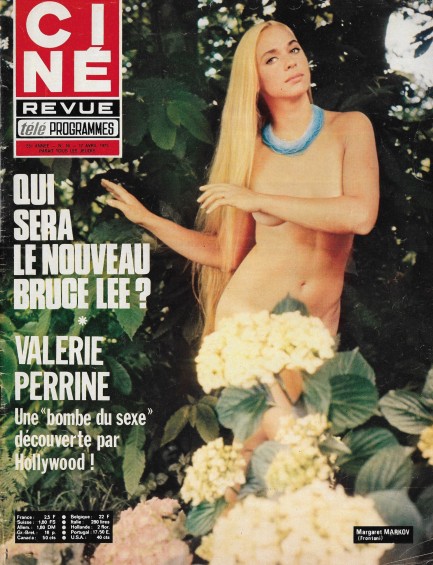
Remember the side trip to France we mentioned? Today you see the first of our acquired items, an issue of the cinema and television magazine Ciné-Revue, which was based in Belgium and published throughout Europe and the French speaking world. This one appeared today in 1975, and who is that on the cover other than Margaret Markov, a favorite star of bad U.S. exploitation movies of the era? We've seen her hanging out in the woods before. Remember this shot? The cover and centerfold of today's magazine, like that previous image, were made by Italian lensman Angelo Frontoni, who photographed scores of international actresses during the ’60s and ’70s. You've seen his work often on our website: check here, here, and especially here. He does a bang-up job with Markov, bringing to mind mythical gardens and similar fertile places. Inside the magazine are celebs such as Valerie Perrine, Anne Libert, Clark Gable, Carole Lombard, Marion Davies in a tinted shot, and on the rear cover John Phillip Law shows that he dresses to the left. That one's mostly for the Pulp Intl. girlfriends, but everyone should have a scroll and enjoy.  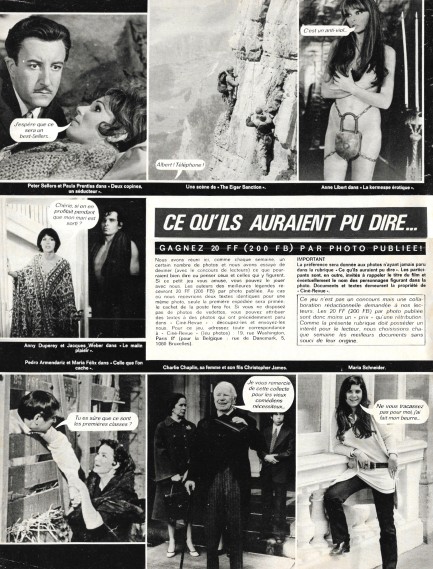 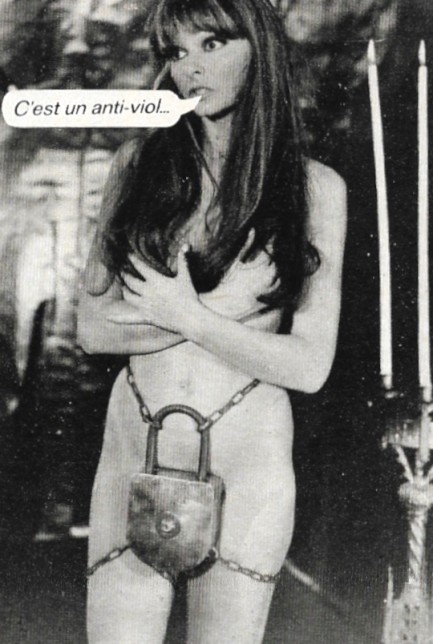 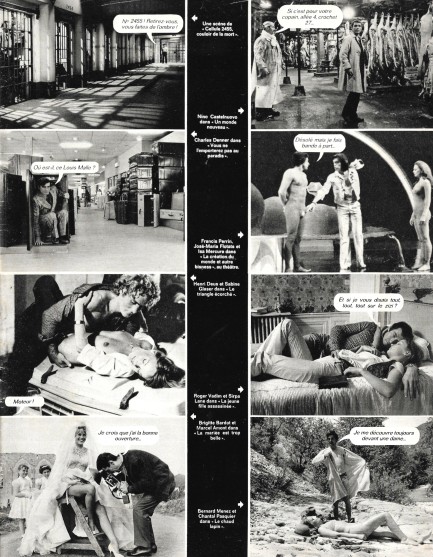 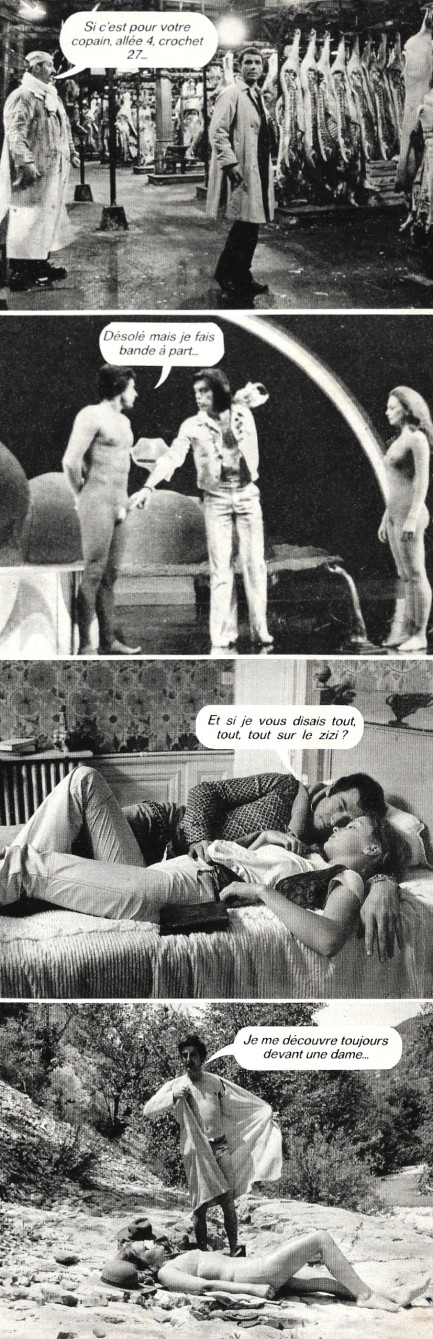 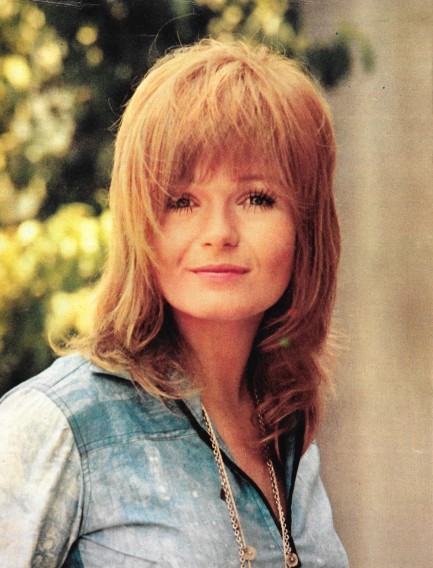 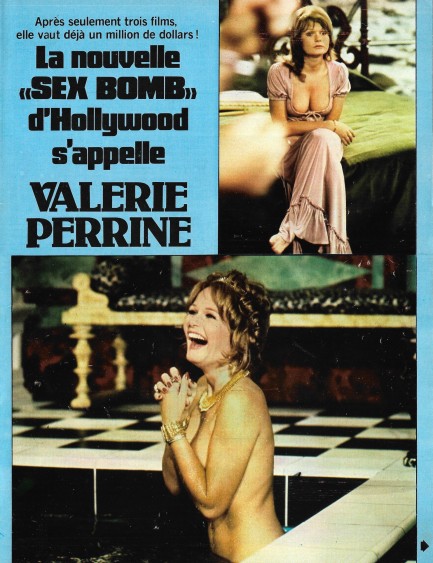 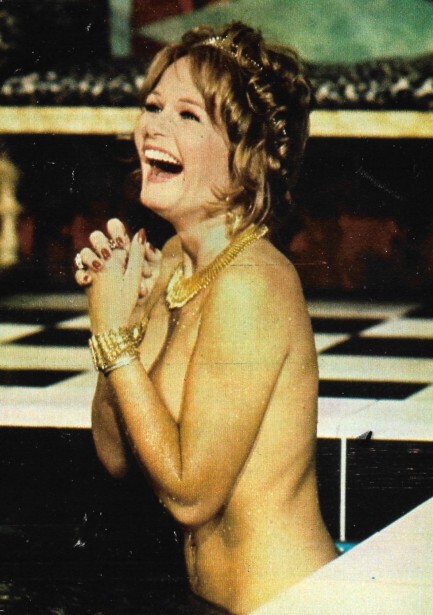 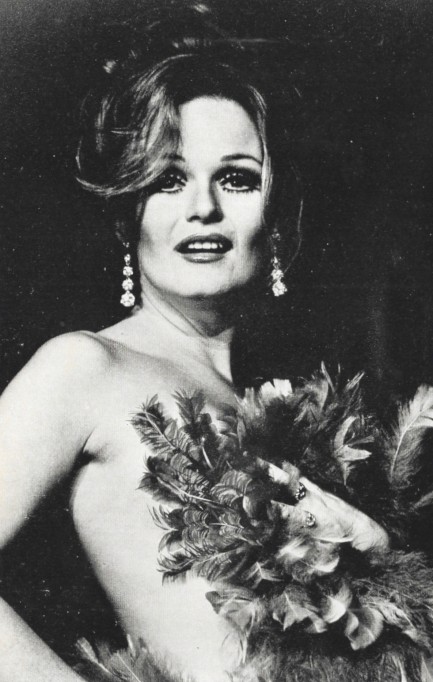 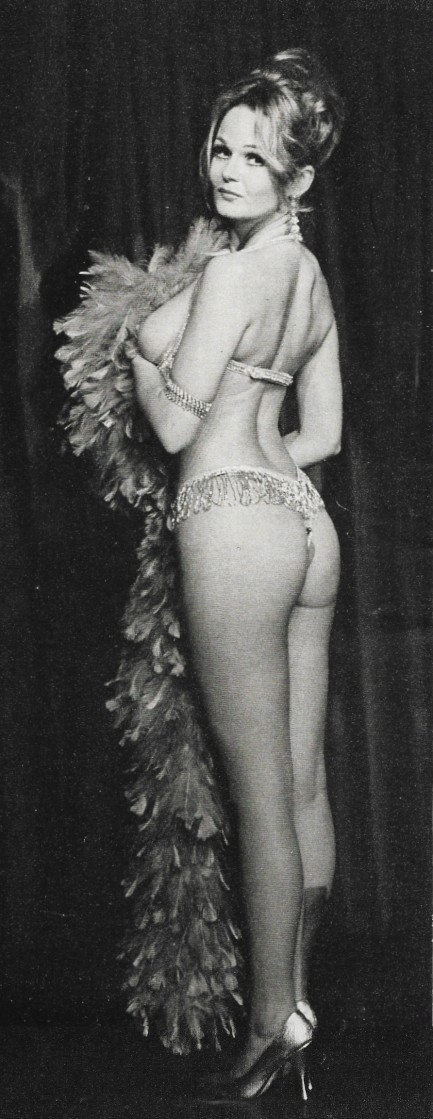     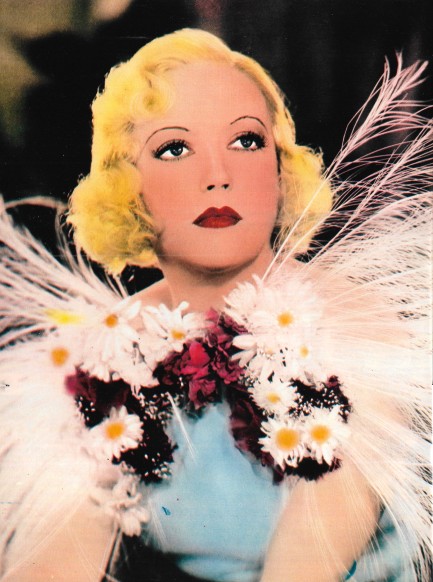 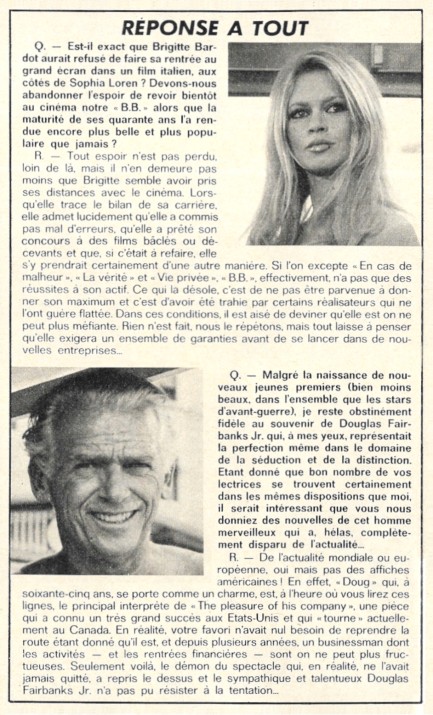 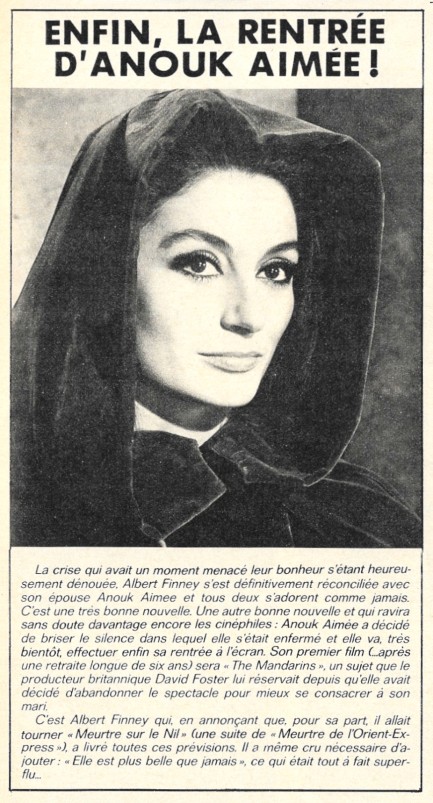 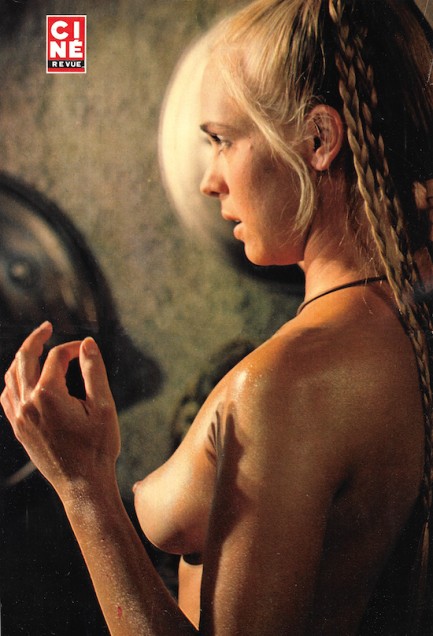 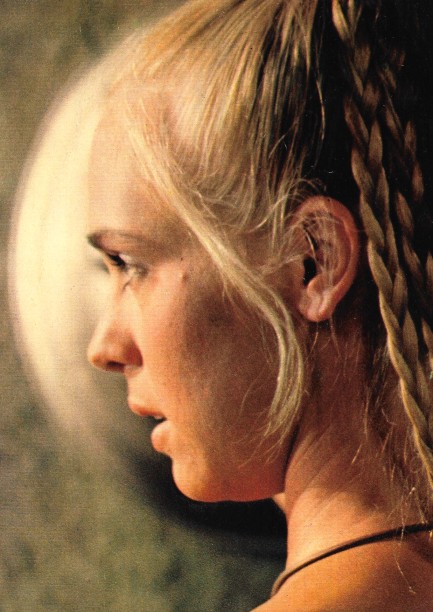 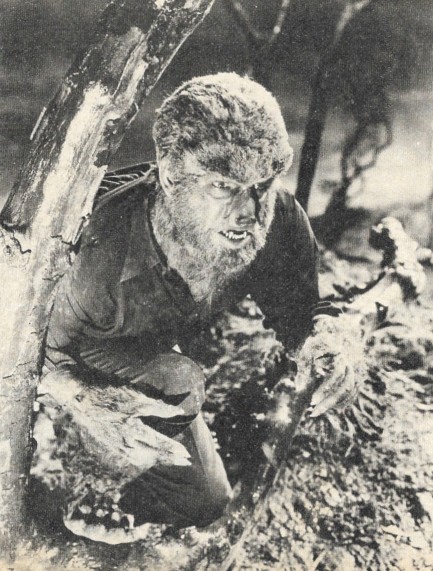 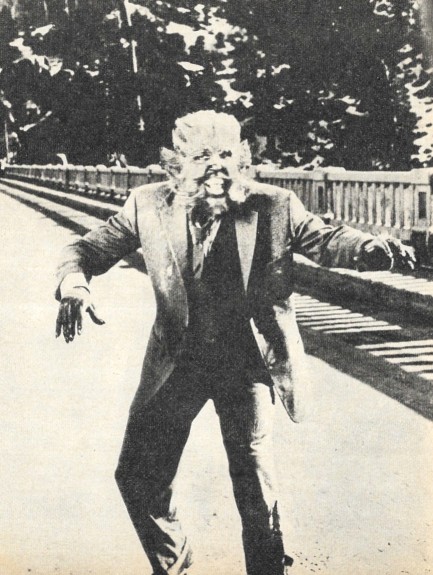 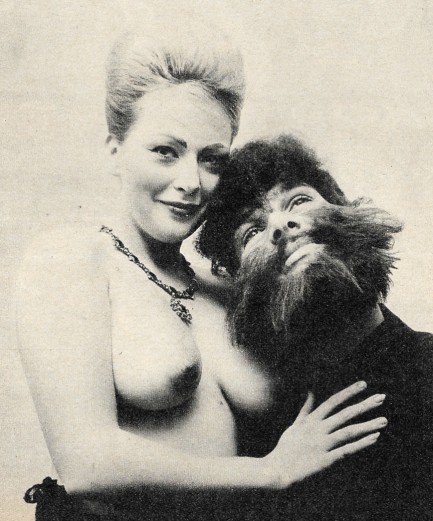 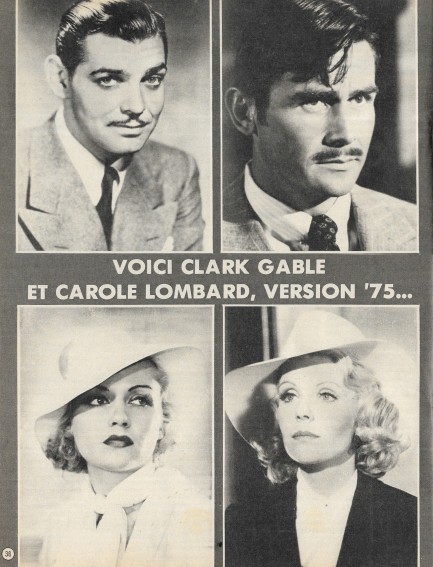 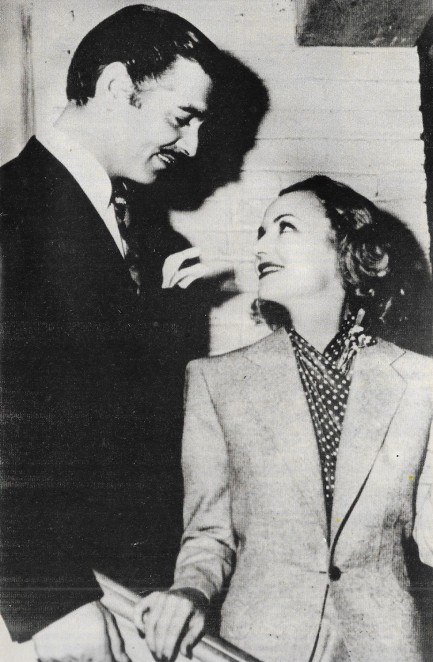 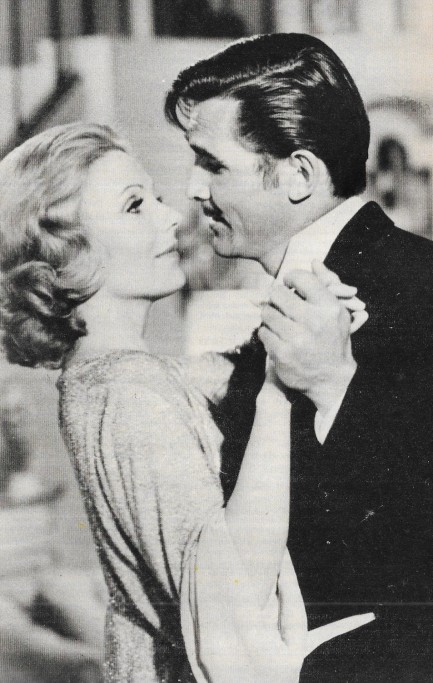 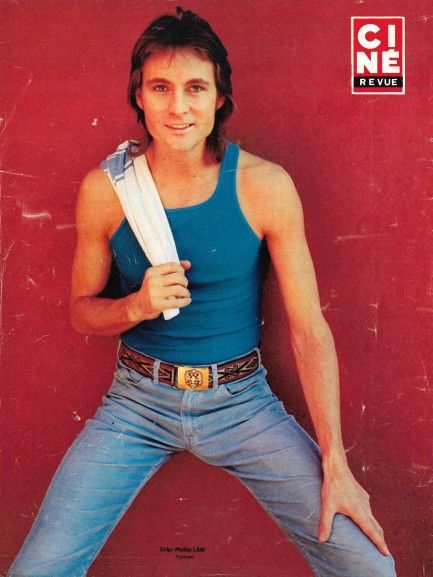
 America's worst tabloid pops the bubbly and starts the year strong. 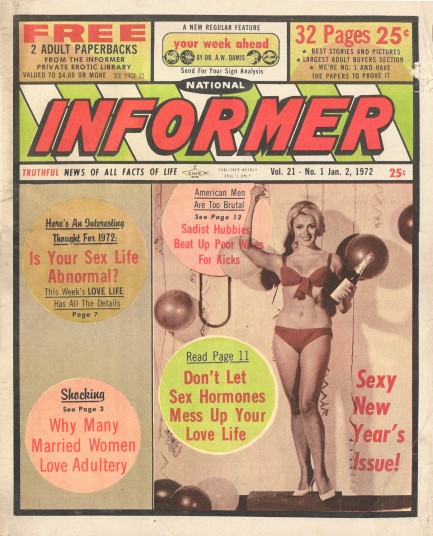
Above is a cover of the tabloid National Informer that hit newsstands today in 1972 featuring an unidentified Champagne toasting model. We love how the editors emphasize the word “truthful” in the second banner, beneath the name of the paper. That's a bold claim from one of the ultimate bottom shelf tabloids of the era, one that traffics in faux news and sensationalism more than actual journalism. But we won't argue the point. Whenever one's reputation is less than stellar don't leave it to chance: tell people what opinion to have of you. National Informer says it's truthful, fine.
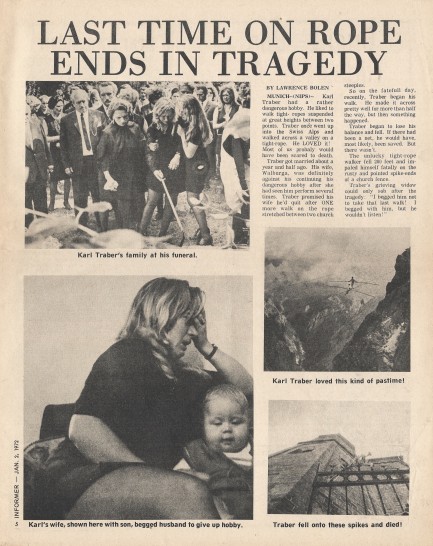
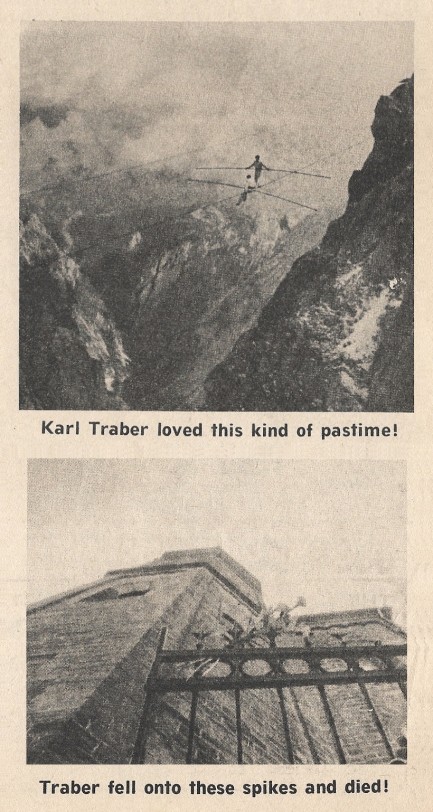
There are a couple of stories of note in this issue. According to Informer, German high wire artist Karl Traber died when he lost his balance during a walk between the towers of two Munich churches and fell two-hundred feet onto a spiked fence. We couldn't find a single reference to anyone named Karl Traber online, though we did to a Traber family who remain famous today as aerialists. We did a Boolean search within German websites and still found no Karl Traber who suffered this grisly death. It's no surprise. Cheap tabloids often leave you with more questions than answers. We'll blame it on sloppy journalism (maybe they got a name wrong?) rather than false reporting. But since we don't want to spend our Monday searching the internet, we'll just move on.
Later in the issue Informer's resident seer Mark Travis produces a slate of predictions, and one of them qualifies as his wildest ever: I predict the invention of a serum which is injected into the bloodstream to create more pigmentation of the skin and turn a white person black. It will be very popular among the young college students. This serum [snip] will enable white youngsters from affluent homes to really see what life in the ghetto is like. Since the results will wear off in a few weeks if the injections are discontinued, it will be quite an adventure to “go black” for a short period of time. Only a wig will be necessary to complete the disguise. And since another drug which works in reverse—lightens the skin—will enable any Negro who desires to do so to pass for white, it will soon be impossible to tell who is white, who is black, and who is one in the disguise of the other.
We think we know how that would turn out: the caste-destroying serum would be banned in all fifty states, plus overseas U.S. territories, and bring penalties for usage ranging up to execution. We're only half kidding. Imagining the possible fallout from such a form of recreation makes us want to pitch the idea to some of our Hollywood friends. Can you imagine the television show that could be produced? Travis has made some blah predictions over the years, but we bet this one hit a nerve among Informer's readership. Unfortunately, we don't have the next few issues to check the infuriated responses in reader mail. Maybe it's better that way. As a side note, this is the thirtieth issue of Informer we've shared.
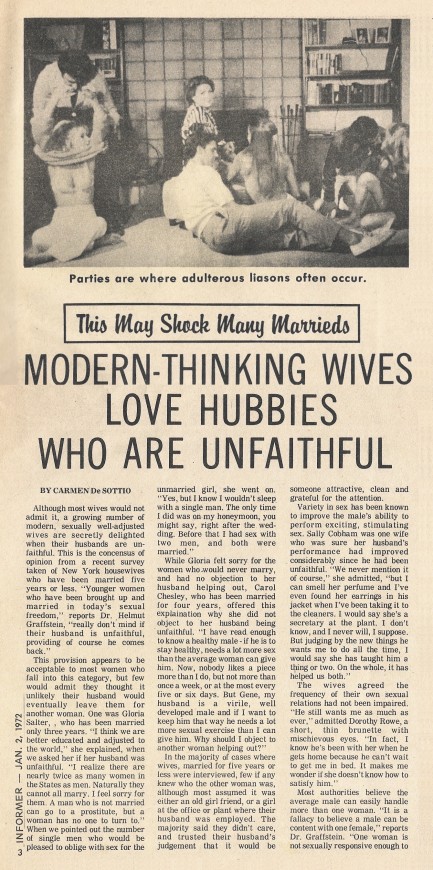 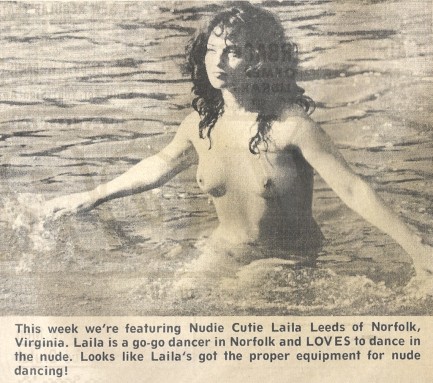 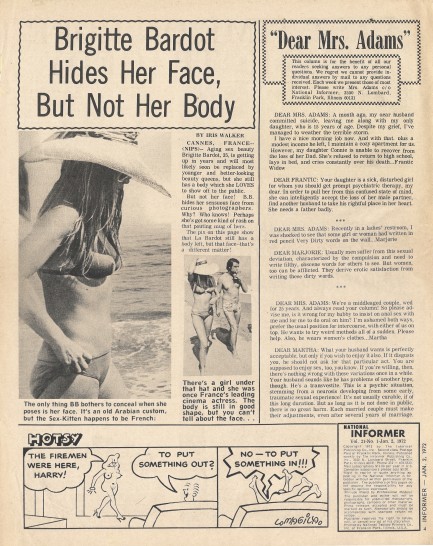     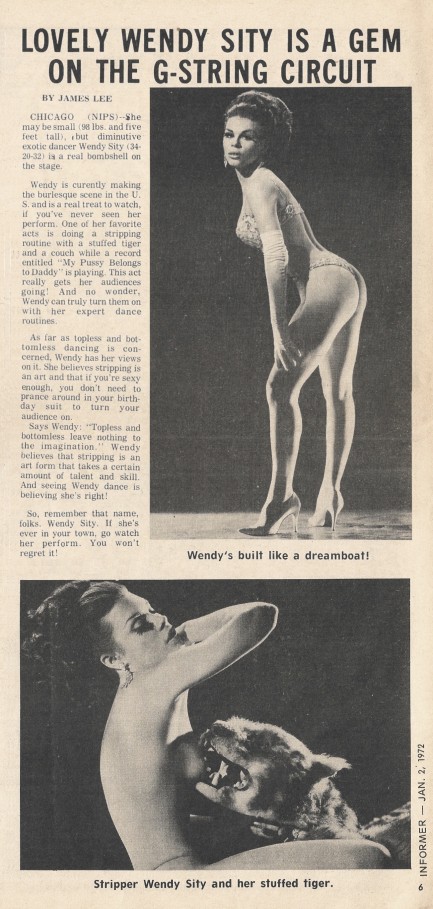 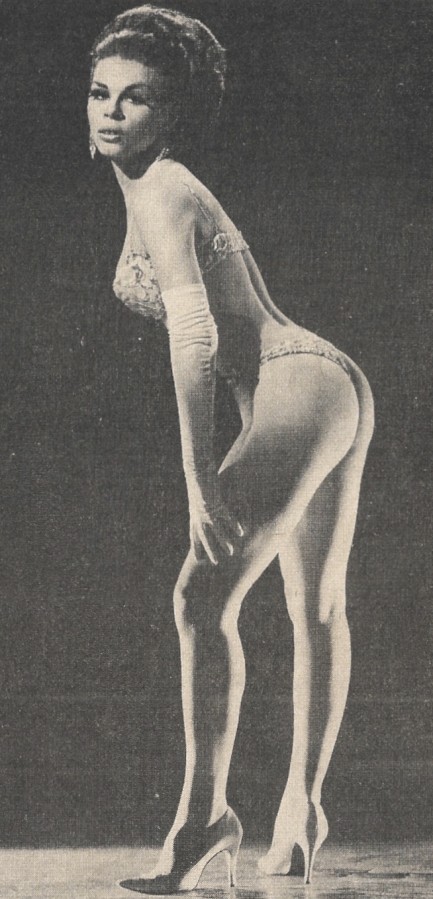 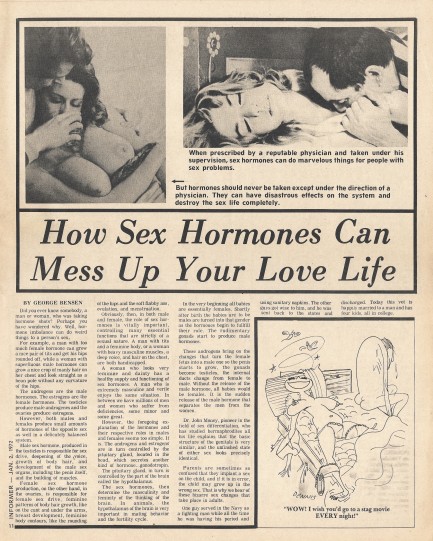  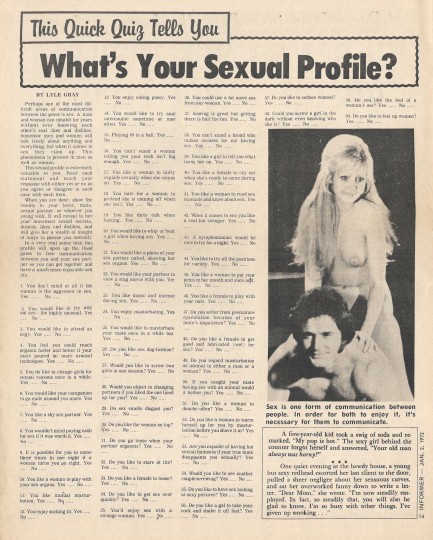  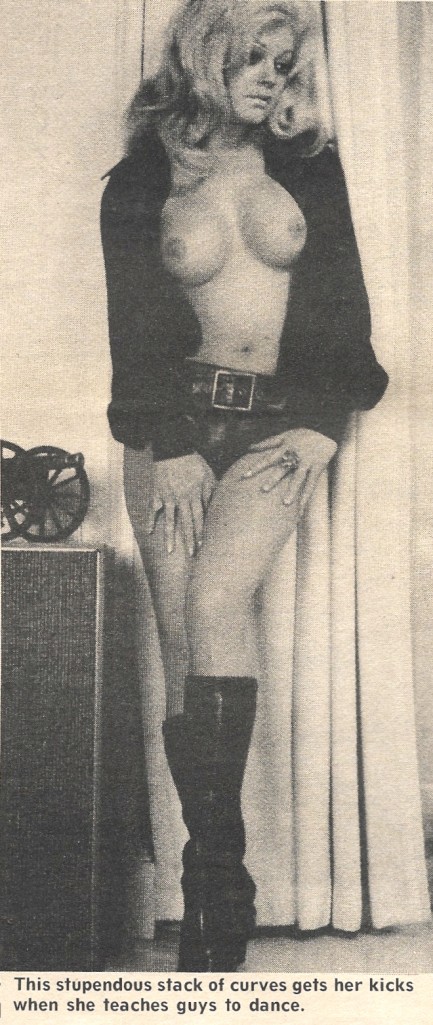 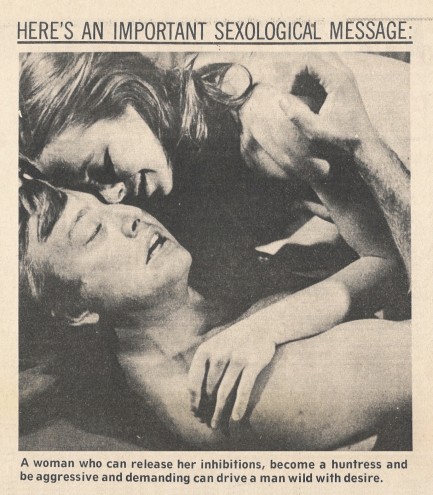 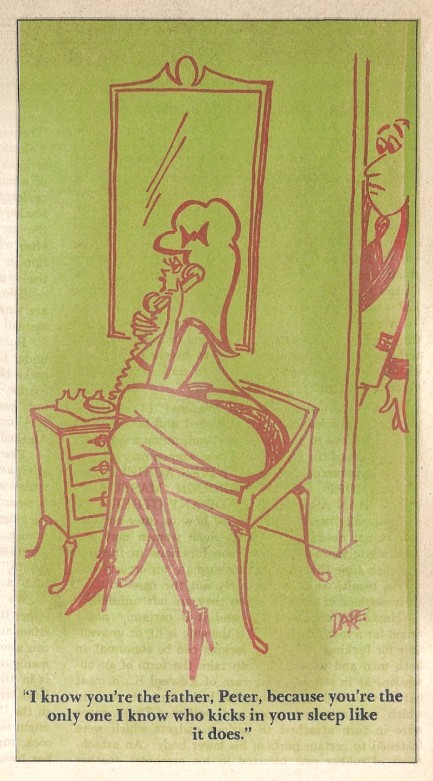 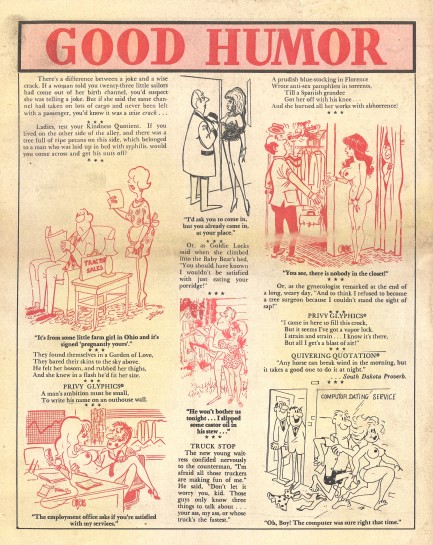
 Cancans de Paris is always uncanny. 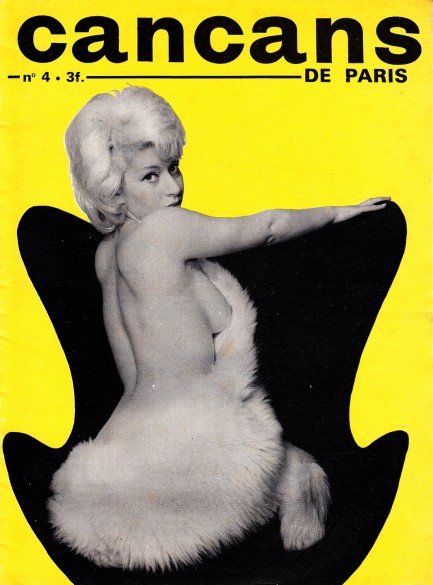 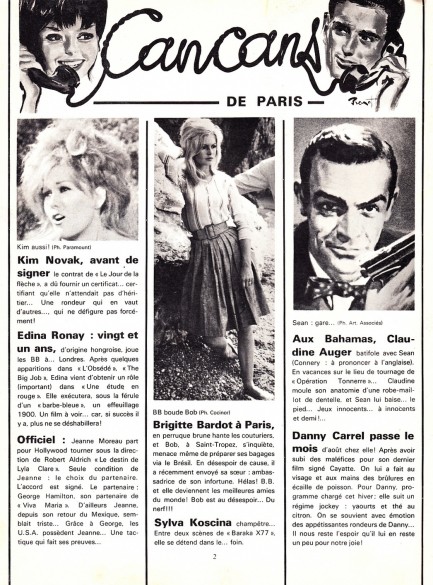 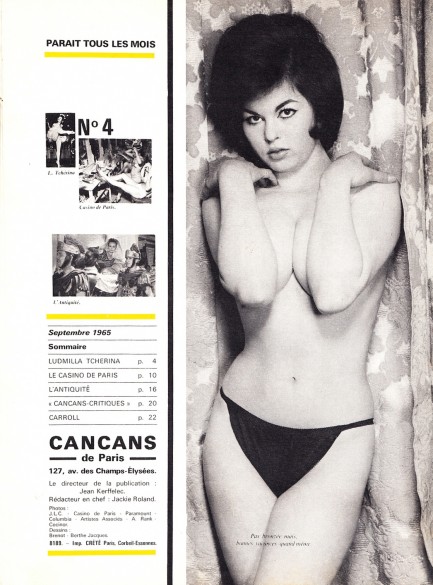  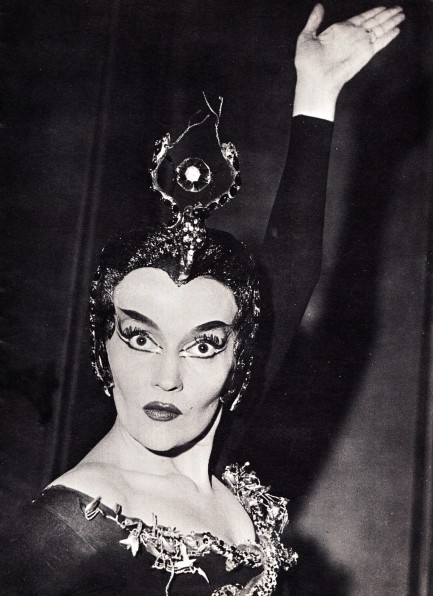 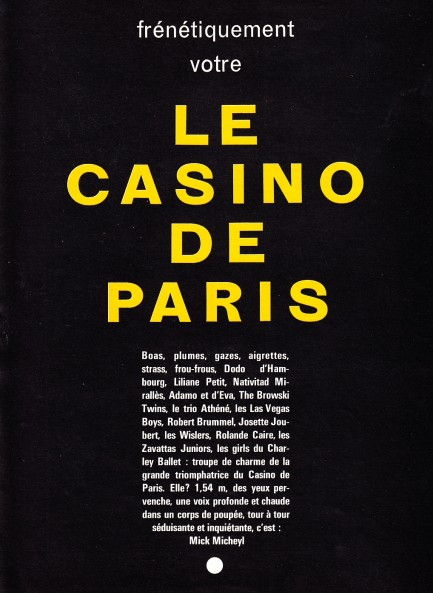 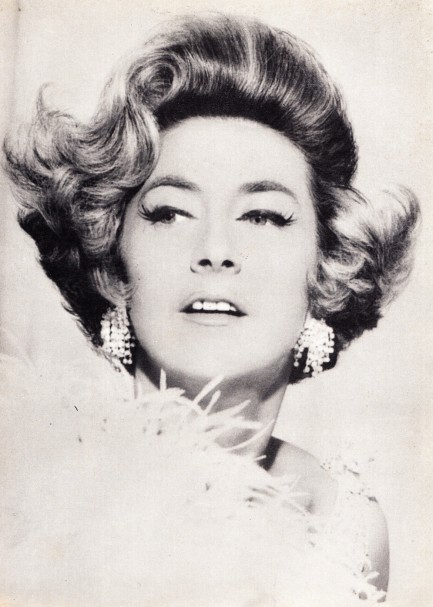 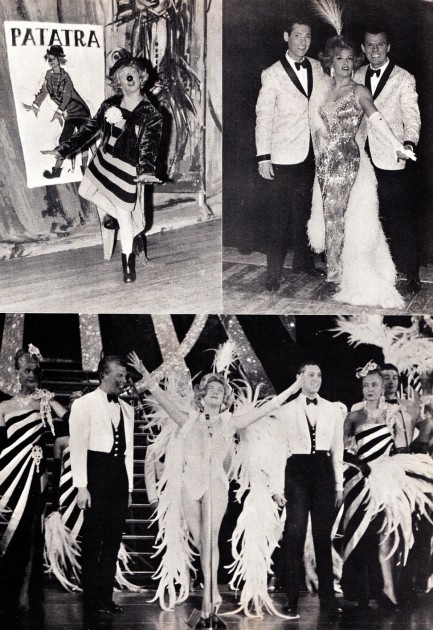 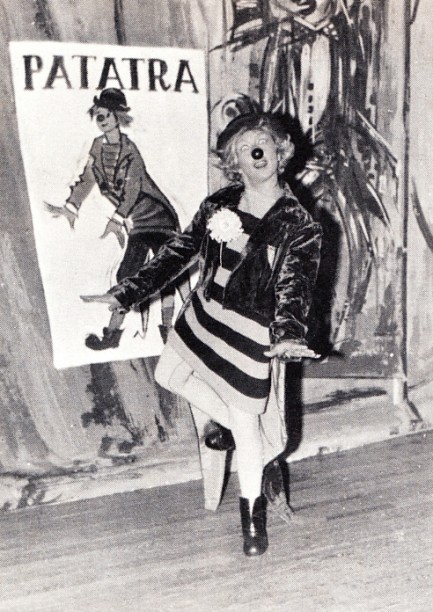 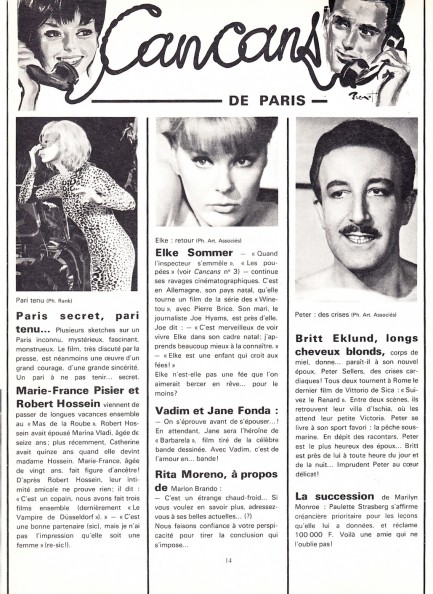 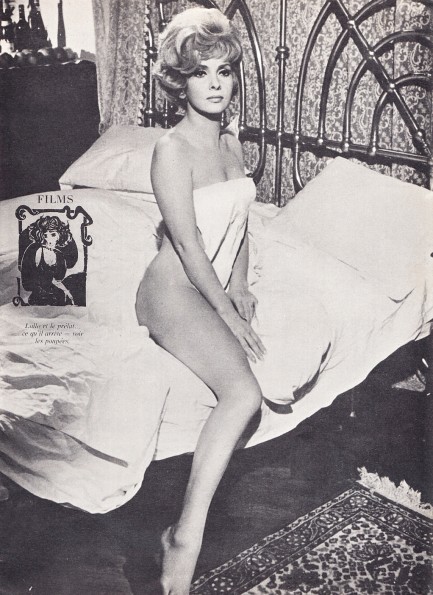 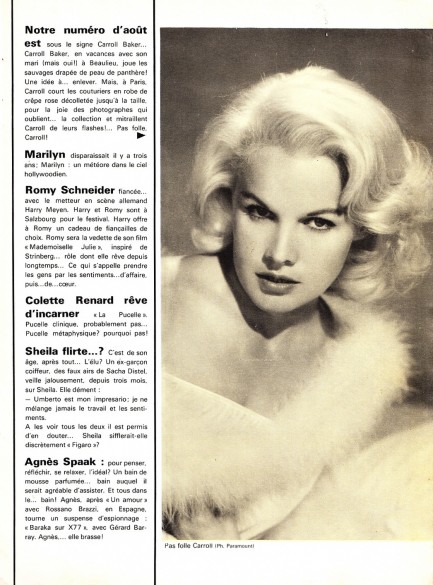 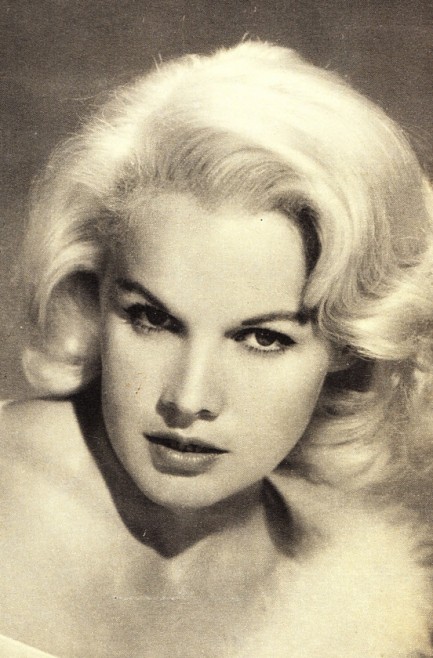   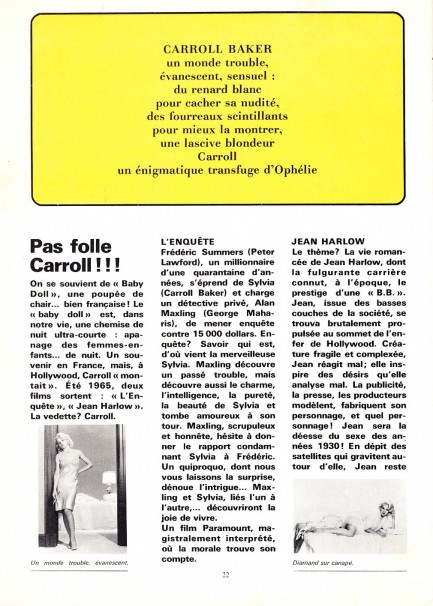 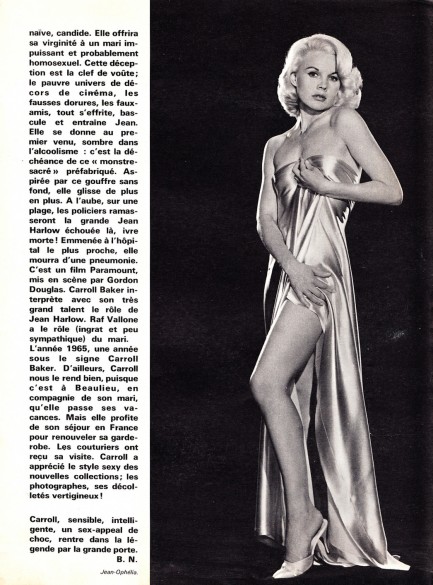 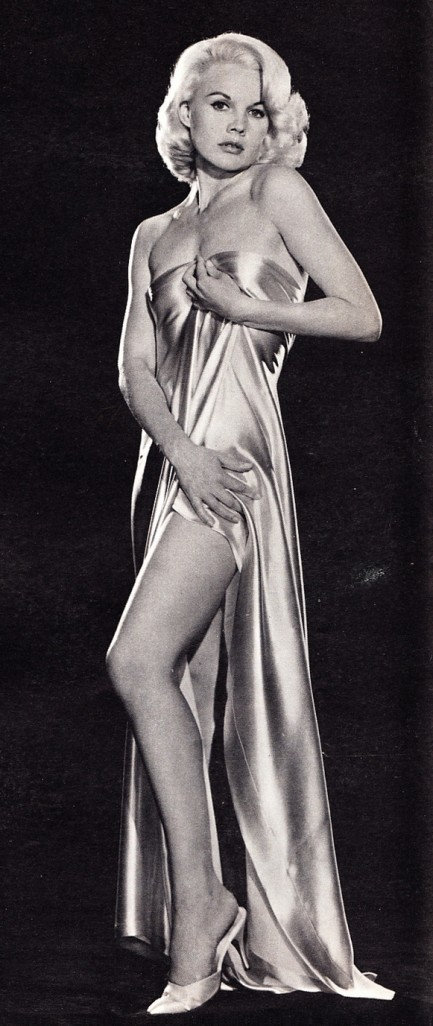 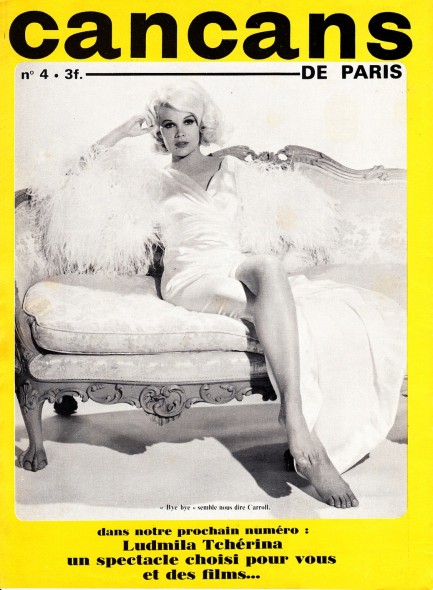
Above: a few pages from the French burlesque publication Cancans de Paris, the seventh time we've taken a look at this mag, with this example dating from September 1965. As always there are mainstream celebrities mixed in with the peelers, including Carroll Baker, Brigitte Bardot, Elke Sommer, Kim Novak, Sean Connery, Sophia Loren, Gina Lollobrigida, and French born ballerina Ludmilla Tchérina. At the top of panel two there's also a minor Raymond Brenot illustration. See some major ones here, and just click the Cancans keywords below if you want to see more issues.
 If you think you'll get Bardot down the aisle you've got another think coming. 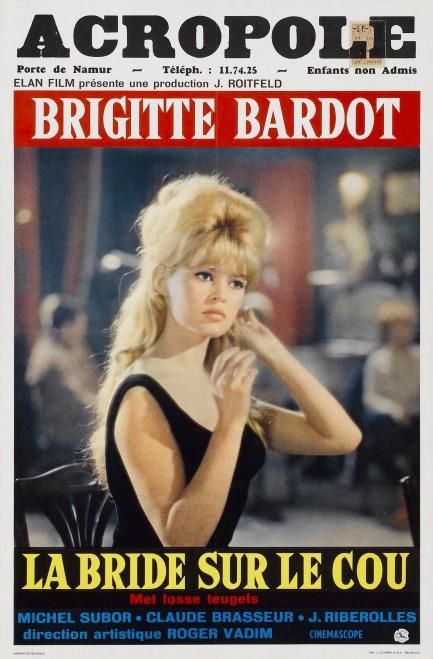
We meant to share this several days ago, but you know how that goes. It's a Belgian promo poster for Brigitte Bardot's Le bride sur le cou, with the Dutch title Met losse teugels in red just below the French. You might think, based on the French title, that the movie is about a bride, but that word, which has the same origin as the English word “bridle,” means “strap,” and the title translated would be, “the strap on the neck.” In Dutch, the title translates as, “with loose reins,” so that should make clear that the movie is actually about trying to control a wild Bardot. There's little chance of that, and wild is an understatement. She turns Paris upside down. In the U.S. the movie was released under the title, Please, Not Now! The poster is worth a share because it's built around a rare image of Bardot, and the movie is worth a watch because Bardot was a phenomenon. There's no known release date for Belgium, but probably it premiered there—this poster promotes showings at the Acropole Cinema in Brussels—in the spring of 1961. 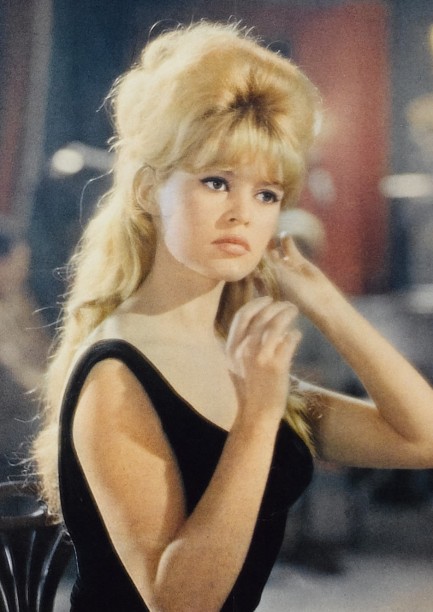
 Bardot turns Paris upside down—again. 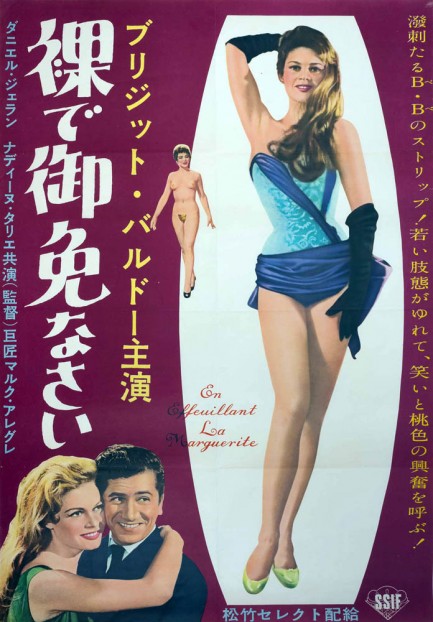 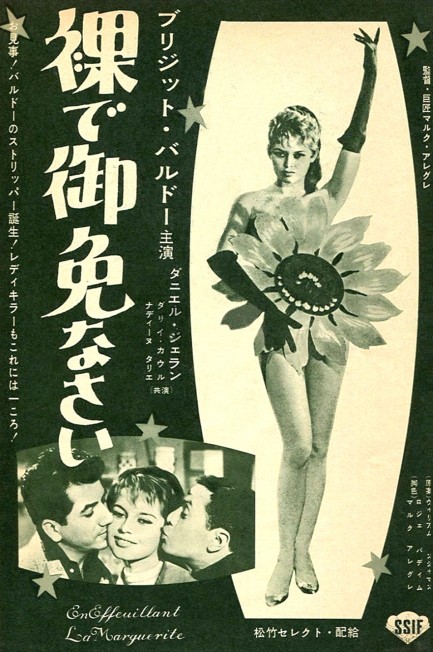
Above: a couple of alternate Japanese promos for En effeuillant la marguerite, aka Plucking the Daisy, aka Mademoiselle Striptease. We call them alternates, but actually, the one we shared last year was rare. The purple one here was the standard promo. The monochrome one, though, is also rare. You can read what we wrote about the film here. Shorter version: Bardot creates romantic chaos in Paris.
 I was hoping you had time to handle a couple of things for me right now. 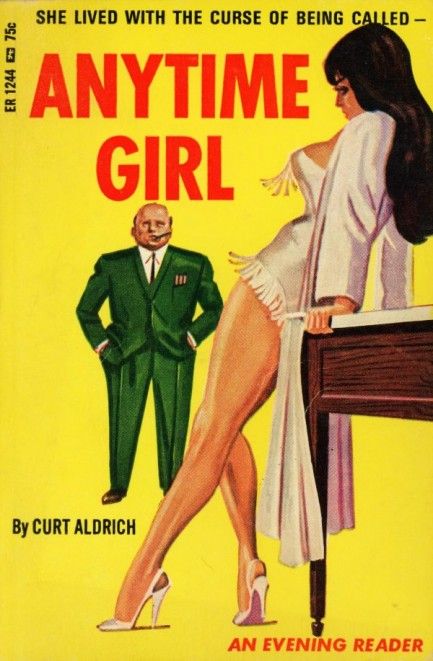
The artist who painted this cover for Curt Aldrich's 1966 sleazer Anytime Girl didn't receive credit, which is not surprising, because it's a simplified copy of a Bob Abbett cover for the 1959 William Campbell Gault novel Sweet Wild Wench. But on the other hand, the cover for Sweet Wild Wench is a simplified copy of a frame from the 1958 Brigitte Bardot film En cas de malheur, aka Love Is My Profession. You'll see what we mean if you look here. We still like this cover, though. Greenleaf Classics and its various imprints—Evening, Candid, Midnight, Ember, Nightstand, et al—had a way of reducing cover concepts to their primal essence. Back then the results were considered tastelessly funny. Probably not so much today, but that's one reason we share these—for the cultural contrast between then and now. If you think society has progressed since then, here's a bit of evidence why that's true. And if you think everyone has simply turned into humorless drones, ditto. Want to see our greatest hits of Greenleaf Classics? Top ten: 1, 2, 3, 4, 5, 6, 7, 8, 9, 10. Debate and discuss. We'll be back tomorrow to help dispose of the bodies.
 It's shocking how many Hollywood stars did smack. 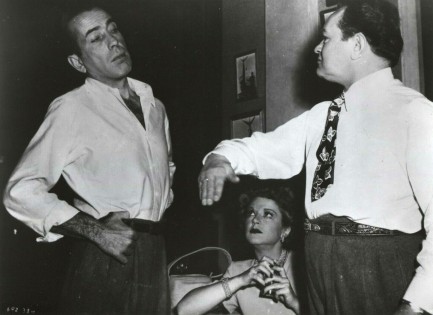
Everybody wants to slap somebody sometime. Luckily, actors in movies do it so you don't have to. The above shot is a good example. Edward G. Robinson lets Humphrey Bogart have it in 1948's Key Largo, as Claire Trevor looks on. In vintage cinema, people were constantly slapping. Men slapped men, men slapped women, women slapped women, and women slapped men. The recipient was usually the protagonist because—though some readers may not realize this—even during the ’40s and 50s, slapping was considered uncouth at a minimum, and downright villainous at worst, particularly when men did it. So generally, bad guys did the slapping, with some exceptions. Glenn Ford slaps Rita Hayworth in Gilda, for example, out of humiliation. Still wrong, but he wasn't the film's villain is our point. Humphrey Bogart lightly slaps Martha Vickers in The Big Sleep to bring her out of a drug stupor. He's like a doctor. Sort of. In any case, most cinematic slapping is fake, and when it wasn't it was done with the consent of the participants (No, really slap me! It'll look more realistic.). There are some famous examples of chipped teeth and bloody noses deriving from the pursuit of realism. We can envision a museum exhibit of photos like these, followed by a lot of conversation around film, social mores, masculinity, and their intersection. We can also envison a conversation around the difference between fantasy and reality. There are some who believe portryals of bad things endorse the same. But movies succeed largely by thrilling, shocking, and scaring audiences, which requires portraying thrilling, shocking, and frightening moments. If actors can't do that, then ultimately movies must become as banal as everyday llife. Enjoy the slapfest.
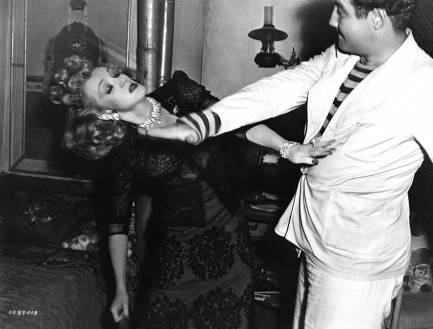 Broderick Crawford slaps Marlene Dietrich in the 1940's Seven Sinners. Broderick Crawford slaps Marlene Dietrich in the 1940's Seven Sinners.
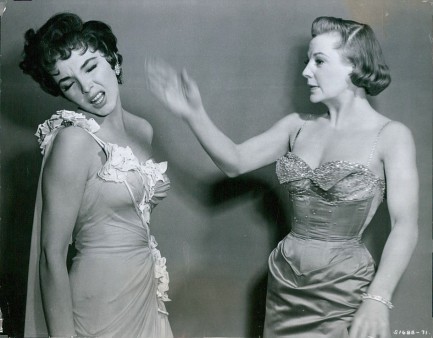 June Allyson lets Joan Collins have it across the kisser in a promo image for The Opposite Sex, 1956. June Allyson lets Joan Collins have it across the kisser in a promo image for The Opposite Sex, 1956.
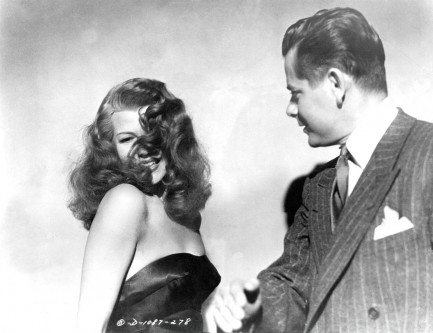 Speaking of Gilda, here's one of Glenn Ford and Rita Hayworth re-enacting the slap heard round the world. Hayworth gets to slap Ford too, and according to some accounts she loosened two of his teeth. We don't know if that's true, but if you watch the sequence it is indeed quite a blow. 100% real. We looked for a photo of it but had no luck. Speaking of Gilda, here's one of Glenn Ford and Rita Hayworth re-enacting the slap heard round the world. Hayworth gets to slap Ford too, and according to some accounts she loosened two of his teeth. We don't know if that's true, but if you watch the sequence it is indeed quite a blow. 100% real. We looked for a photo of it but had no luck.
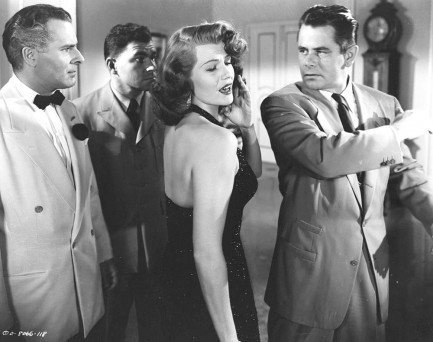 Don't mess with box office success. Ford and Hayworth did it again in 1952's Affair in Trinidad. Don't mess with box office success. Ford and Hayworth did it again in 1952's Affair in Trinidad.
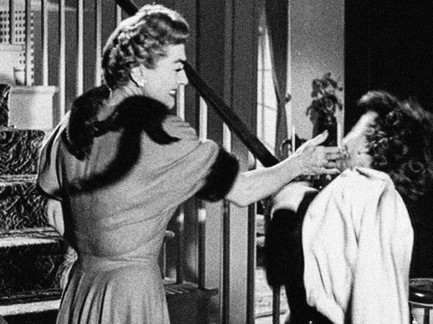 All-time film diva Joan Crawford gets in a good shot on Lucy Marlow in 1955's Queen Bee. All-time film diva Joan Crawford gets in a good shot on Lucy Marlow in 1955's Queen Bee.
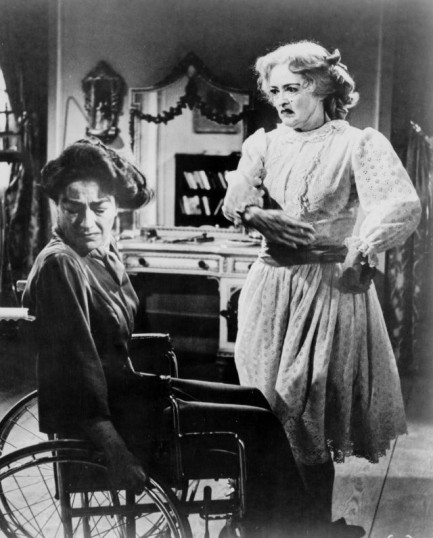 The answer to the forthcoming question is: She turned into a human monster, that's what. Joan Crawford is now on the receiving end, with Bette Davis issuing the slap in Whatever Happened to Baby Jane? Later Davis kicks Crawford, so the slap is just a warm-up. The answer to the forthcoming question is: She turned into a human monster, that's what. Joan Crawford is now on the receiving end, with Bette Davis issuing the slap in Whatever Happened to Baby Jane? Later Davis kicks Crawford, so the slap is just a warm-up.
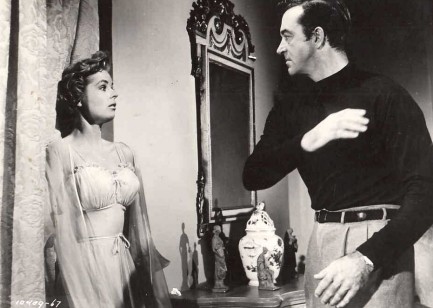 Mary Murphy awaits the inevitable from John Payne in 1955's Hell's Island. Mary Murphy awaits the inevitable from John Payne in 1955's Hell's Island.
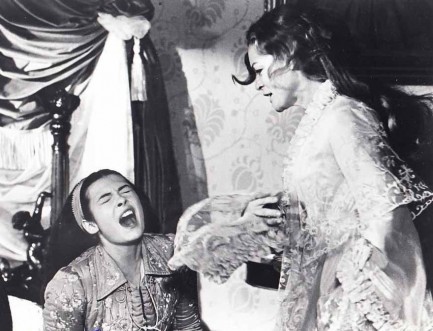 Romy Schneider slaps Sonia Petrova in 1972's Ludwig. Romy Schneider slaps Sonia Petrova in 1972's Ludwig.
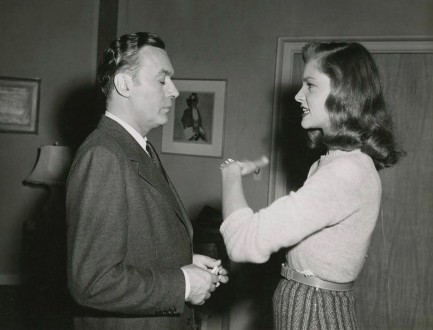 Lauren Bacall lays into Charles Boyer in 1945's Confidential Agent and garnishes the slap with a brilliant snarl. Lauren Bacall lays into Charles Boyer in 1945's Confidential Agent and garnishes the slap with a brilliant snarl.
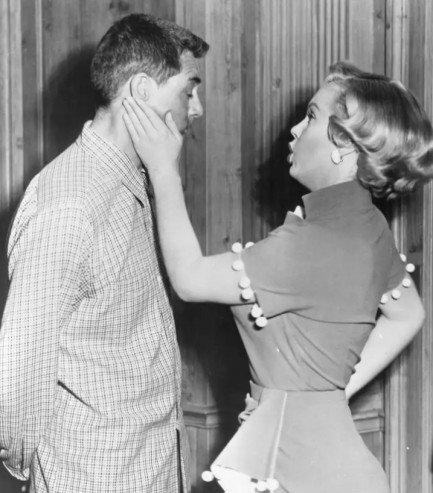 Iconic bombshell Marilyn Monroe drops a smart bomb on Cary Grant in the 1952 comedy Monkey Business. Iconic bombshell Marilyn Monroe drops a smart bomb on Cary Grant in the 1952 comedy Monkey Business.
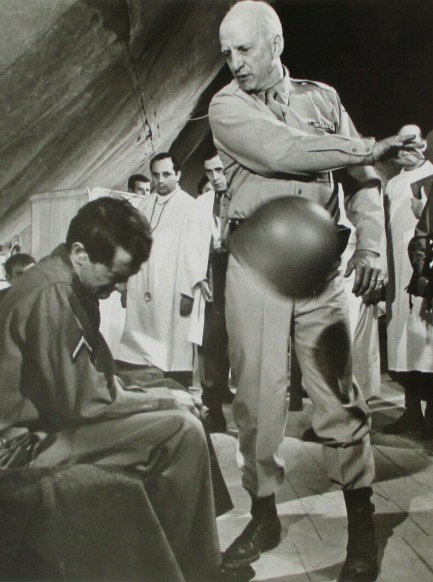 This is the most brutal slap of the bunch, we think, from 1969's Patton, as George C. Scott de-helmets an unfortunate soldier played by Tim Considine. This is the most brutal slap of the bunch, we think, from 1969's Patton, as George C. Scott de-helmets an unfortunate soldier played by Tim Considine.
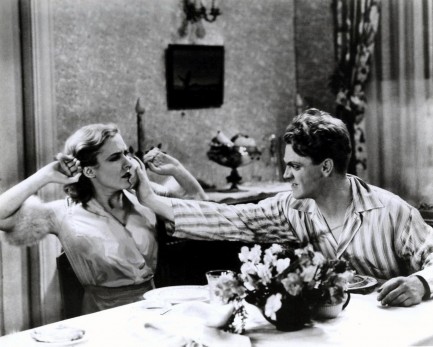 A legendary scene in filmdom is when James Cagney shoves a grapefruit in Mae Clark's face in The Public Enemy. Is it a slap? He does it pretty damn hard, so we think it's close enough. They re-enact that moment here in a promo photo made in 1931. A legendary scene in filmdom is when James Cagney shoves a grapefruit in Mae Clark's face in The Public Enemy. Is it a slap? He does it pretty damn hard, so we think it's close enough. They re-enact that moment here in a promo photo made in 1931.
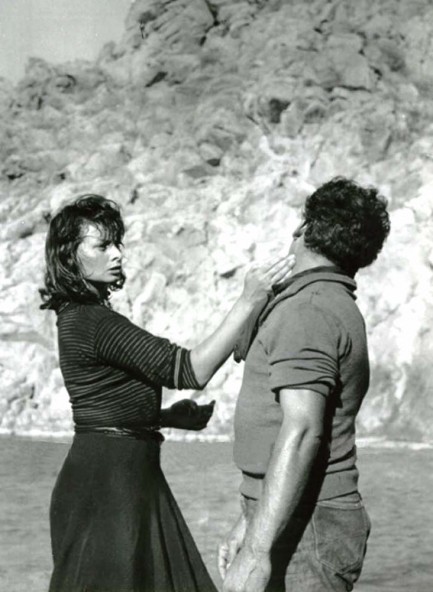 Sophia Loren gives Jorge Mistral a scenic seaside slap in 1957's Boy on a Dolphin. Sophia Loren gives Jorge Mistral a scenic seaside slap in 1957's Boy on a Dolphin.
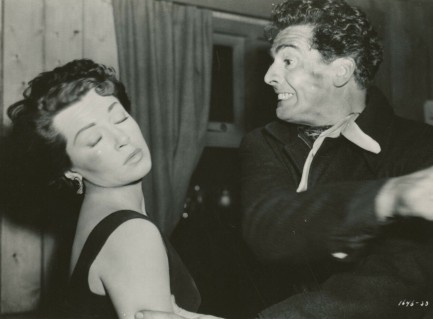 Victor Mature fails to live up to his last name as he slaps Lana Turner in 1954's Betrayed. Victor Mature fails to live up to his last name as he slaps Lana Turner in 1954's Betrayed. 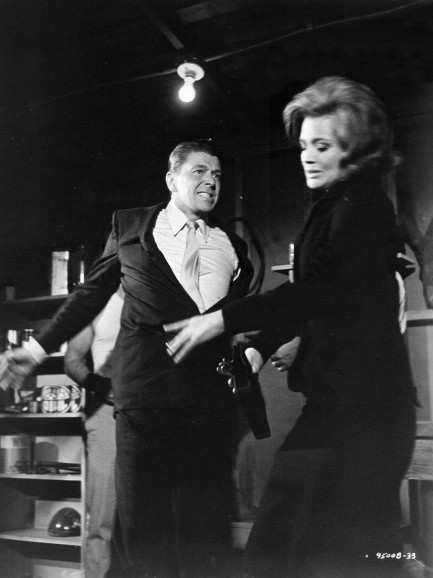 Ronald Reagan teaches Angie Dickinson how supply side economics work in 1964's The Killers. Ronald Reagan teaches Angie Dickinson how supply side economics work in 1964's The Killers.
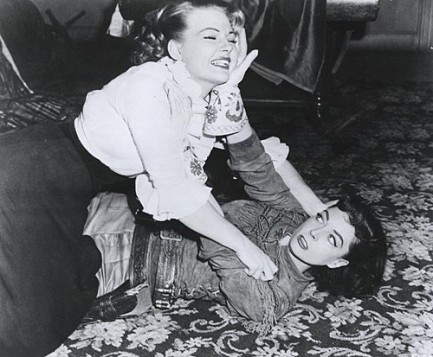 Marie Windsor gets in one against Mary Castle from the guard position in an episode of television's Stories of the Century in 1954. Windsor eventually won this bout with a rear naked choke. Marie Windsor gets in one against Mary Castle from the guard position in an episode of television's Stories of the Century in 1954. Windsor eventually won this bout with a rear naked choke.
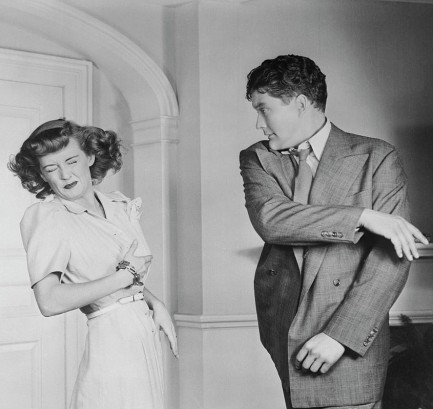 It's better to give than receive, but sadly it's Bette Davis's turn, as she takes one from Dennis Morgan in In This Our Life, 1942. It's better to give than receive, but sadly it's Bette Davis's turn, as she takes one from Dennis Morgan in In This Our Life, 1942.
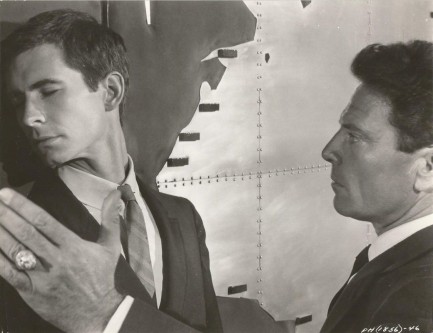 Anthony Perkins and Raf Vallone dance the dance in 1962's Phaedra, with Vallone taking the lead. Anthony Perkins and Raf Vallone dance the dance in 1962's Phaedra, with Vallone taking the lead.
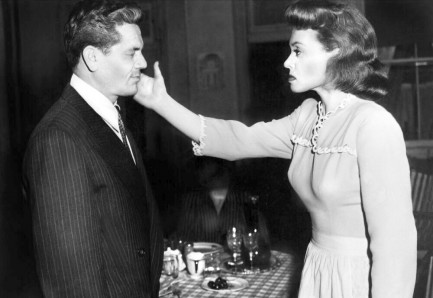 And he thought being inside the ring was hard. Lilli Palmer nails John Garfield with a roundhouse right in the 1947 boxing classic Body and Soul. And he thought being inside the ring was hard. Lilli Palmer nails John Garfield with a roundhouse right in the 1947 boxing classic Body and Soul.
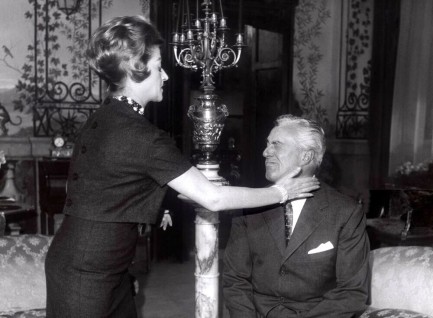 1960's Il vigile, aka The Mayor, sees Vittorio De Sica rebuked by a member of the electorate Lia Zoppelli. She's more than a voter in this—she's also his wife, so you can be sure he deserved it. 1960's Il vigile, aka The Mayor, sees Vittorio De Sica rebuked by a member of the electorate Lia Zoppelli. She's more than a voter in this—she's also his wife, so you can be sure he deserved it.
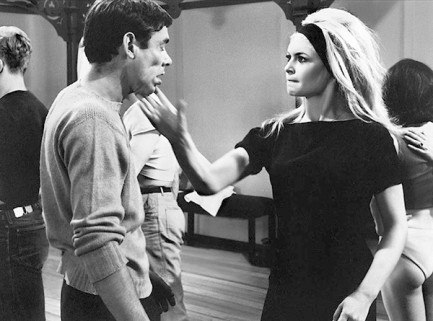 Brigitte Bardot delivers a not-so-private slap to Dirk Sanders in 1962's Vie privée, aka A Very Private Affair. Brigitte Bardot delivers a not-so-private slap to Dirk Sanders in 1962's Vie privée, aka A Very Private Affair.
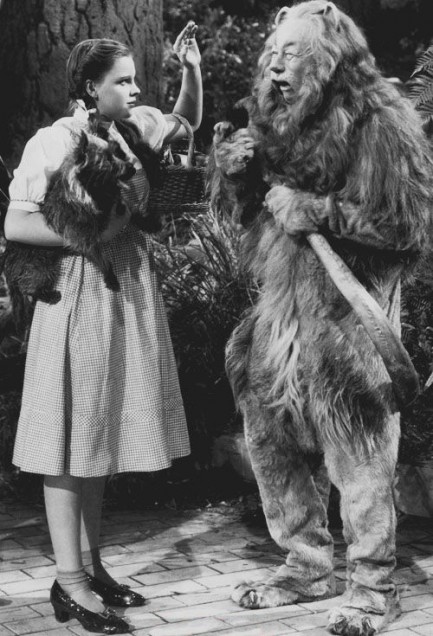 In a classic case of animal abuse. Judy Garland gives cowardly lion Bert Lahr a slap on the nose in The Wizard of Oz. Is it his fault he's a pussy? Accept him as he is, Judy. In a classic case of animal abuse. Judy Garland gives cowardly lion Bert Lahr a slap on the nose in The Wizard of Oz. Is it his fault he's a pussy? Accept him as he is, Judy.
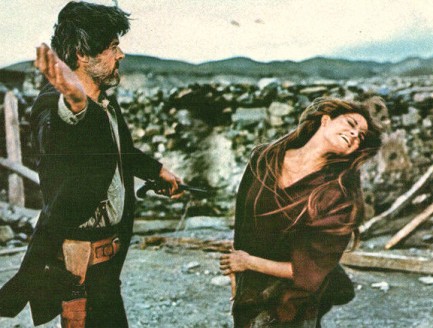 Robert Culp backhands Raquel Welch in 1971's Hannie Caudler. Robert Culp backhands Raquel Welch in 1971's Hannie Caudler.
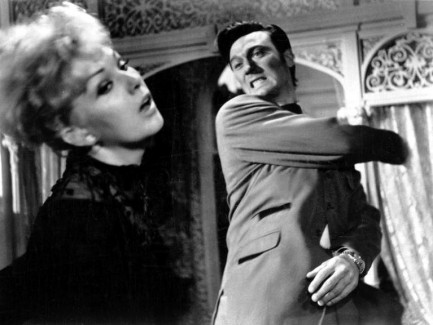 And finally, Laurence Harvey dares to lay hands on the perfect Kim Novak in Of Human Bondage. And finally, Laurence Harvey dares to lay hands on the perfect Kim Novak in Of Human Bondage.

|
 |
The headlines that mattered yesteryear.
1939—Batman Debuts
In Detective Comics #27, DC Comics publishes its second major superhero, Batman, who becomes one of the most popular comic book characters of all time, and then a popular camp television series starring Adam West, and lastly a multi-million dollar movie franchise starring Michael Keaton, then George Clooney, and finally Christian Bale. 1953—Crick and Watson Publish DNA Results
British scientists James D Watson and Francis Crick publish an article detailing their discovery of the existence and structure of deoxyribonucleic acid, or DNA, in Nature magazine. Their findings answer one of the oldest and most fundamental questions of biology, that of how living things reproduce themselves. 1967—First Space Program Casualty Occurs
Soviet cosmonaut Vladimir Komarov dies in Soyuz 1 when, during re-entry into Earth's atmosphere after more than ten successful orbits, the capsule's main parachute fails to deploy properly, and the backup chute becomes entangled in the first. The capsule's descent is slowed, but it still hits the ground at about 90 mph, at which point it bursts into flames. Komarov is the first human to die during a space mission. 1986—Otto Preminger Dies
Austro–Hungarian film director Otto Preminger, who directed such eternal classics as Laura, Anatomy of a Murder, Carmen Jones, The Man with the Golden Arm, and Stalag 17, and for his efforts earned a star on Hollywood's Walk of Fame, dies in New York City, aged 80, from cancer and Alzheimer's disease. 1998—James Earl Ray Dies
The convicted assassin of American civil rights leader Martin Luther King, Jr., petty criminal James Earl Ray, dies in prison of hepatitis aged 70, protesting his innocence as he had for decades. Members of the King family who supported Ray's fight to clear his name believed the U.S. Government had been involved in Dr. King's killing, but with Ray's death such questions became moot.
|

|
|
It's easy. We have an uploader that makes it a snap. Use it to submit your art, text, header, and subhead. Your post can be funny, serious, or anything in between, as long as it's vintage pulp. You'll get a byline and experience the fleeting pride of free authorship. We'll edit your post for typos, but the rest is up to you. Click here to give us your best shot.
|
|